

New Trump admin rule would cut SNAP benefits for 6.3 million people
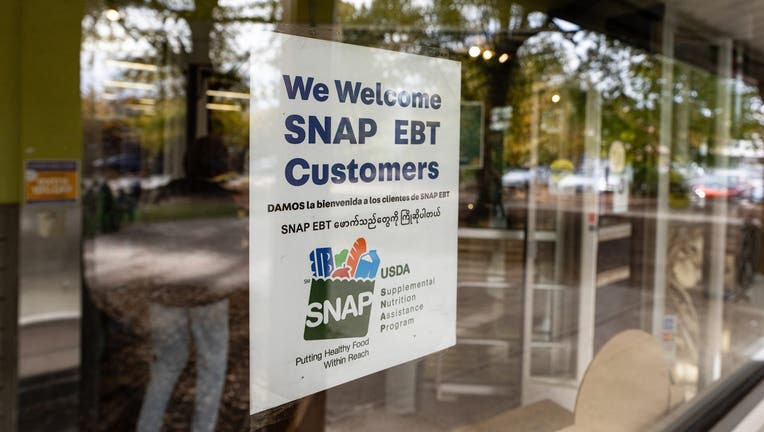
A new rule proposed by the USDA would cut food stamps for 6.3 million Americans. (Photographer: Al Drago/Bloomberg via Getty Images)
The Trump administration is moving to cut off more than 6 million people from receiving Supplemental Nutrition Assistance Program (SNAP) benefits.
According to Reuters, a proposed rule from the U.S. Department of Agriculture would reduce the number of SNAP recipients by nearly 18%.
Is Trump cutting SNAP benefits?
Big picture view:
The proposed USDA rule would eliminate automatic SNAP eligibility for families who already receive Temporary Assistance for Needy Families (TANF). Currently, families who qualify for TANF or similar benefits automatically qualify for SNAP because their eligibility requirements are similar.
By the numbers:
That would mean 18%, or about 6.3 million people, would lose food stamp benefits.
RELATED: New USDA rule could force thousands of convenience stores to stop accepting food stamps
What they're saying:
In the proposed rule change, the USDA said the move would "preserve benefits for the truly needy." The USDA released the following statement when asked about the cuts:
"Broad-based categorical eligibility has bloated the welfare rolls for decades. It has allowed States to take short cuts, error rates to balloon, and those with income and assets far above federal limits access to a benefit meant for the neediest among us. Correcting this loophole is long overdue
Every day, the Food and Nutrition Administration invests over $300 million in low-income communities and people in need of nutrition assistance, including millions of school children, elderly, and the disabled. The mission to help those in need has not changed.
Let the record show funding for SNAP has not been decreased because SNAP is an appropriated entitlement, meaning if a family is eligible, they receive the benefit. If not, no benefit. The nature of SNAP, i.e., an appropriated entitlement, means participation shifts based on a range of external forces. Therefore, the number of individuals receiving benefits is constantly changing and is not representative of any one policy; to further the point, multiple States saw declines far before the enactment of H.R. 1.
For too long, Washington measured success by how much money government distributed rather than how responsibly it was administered. That is the wrong measure, and it produces the wrong incentives. As usual, Democrats’ response is more money, more bloat, and more people on welfare. No State accountability, no economic mobility, and more demands on the American taxpayer."
Why you should care:
The 6.3 million people who could lose food stamps is in addition to the 5.5 million who’ve already lost SNAP benefits since President Donald Trump’s "One Big Beautiful Bill Act" took effect in July 2025. The tax law made significant changes to SNAP eligibility.
RELATED: Nearly 4.3 million Americans lost SNAP benefits last year
Agriculture Secretary Brooke Rollins has said in the past that a lot of the recipients were cut off because of fraud, though there’s no evidence to back up Rollin’s widespread fraud claims. She also has said fewer people need food stamps because the economy is so strong, but experts say that doesn’t make a difference for SNAP participants who face financial hardship.
RELATED: USDA: SNAP enrollment drops by 5.3 million following new work rules - State-by-state breakdown
If the new USDA rule is implemented, the agency estimates that 1.8 million children will also no longer be eligible for free school lunches, Reuters reports.
The other side:
"This move by the Trump administration to take food assistance away from millions more elderly Americans and children is heartless and cruel," Rep. Angie Craig, a Democrat who serves on the House Agriculture committee, said in a statement. "The proposed rule would make it harder to meet basic needs and roll back efforts to streamline federal programs. SNAP is a highly effective and efficient program when it is allowed to work as designed."
What's next:
The public will have 30 days to comment on the proposed rule, according to Reuters.
The Source: This article includes information from Reuters, The Associated Press, Rep. Angie Craig and previous FOX Local reporting.