

Utah authorities connect WA serial killer Ted Bundy to 1970s homicide
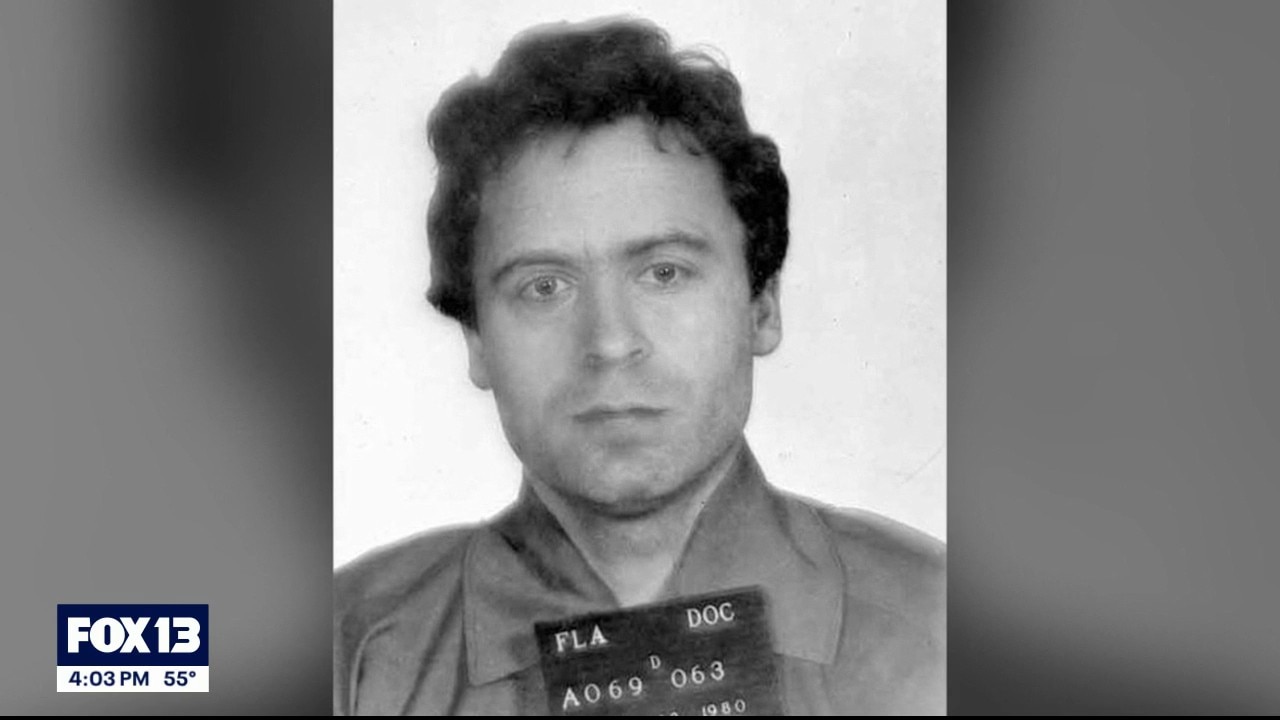
Serial killer Ted Bundy linked to 1970s Utah homicide
Infamous serial killer Ted Bundy is back in the headlines, as investigators in Utah have connected him to the 1970s death of a Utah teenager through DNA evidence.
SUMMIT COUNTY, Utah - More than 50 years after the body of 17-year-old Melissa Ann Smith was discovered in a wooded Summit County canyon, Utah law enforcement officials announced Tuesday that advances in DNA technology have definitively tied notorious Washington serial killer Ted Bundy to her murder.
The announcement brings formal closure to an open cold case that has frustrated investigators across northern Utah since Oct. 27, 1974. Although long suspected in Smith’s disappearance and death, Bundy was never formally charged before his 1989 execution in Florida.
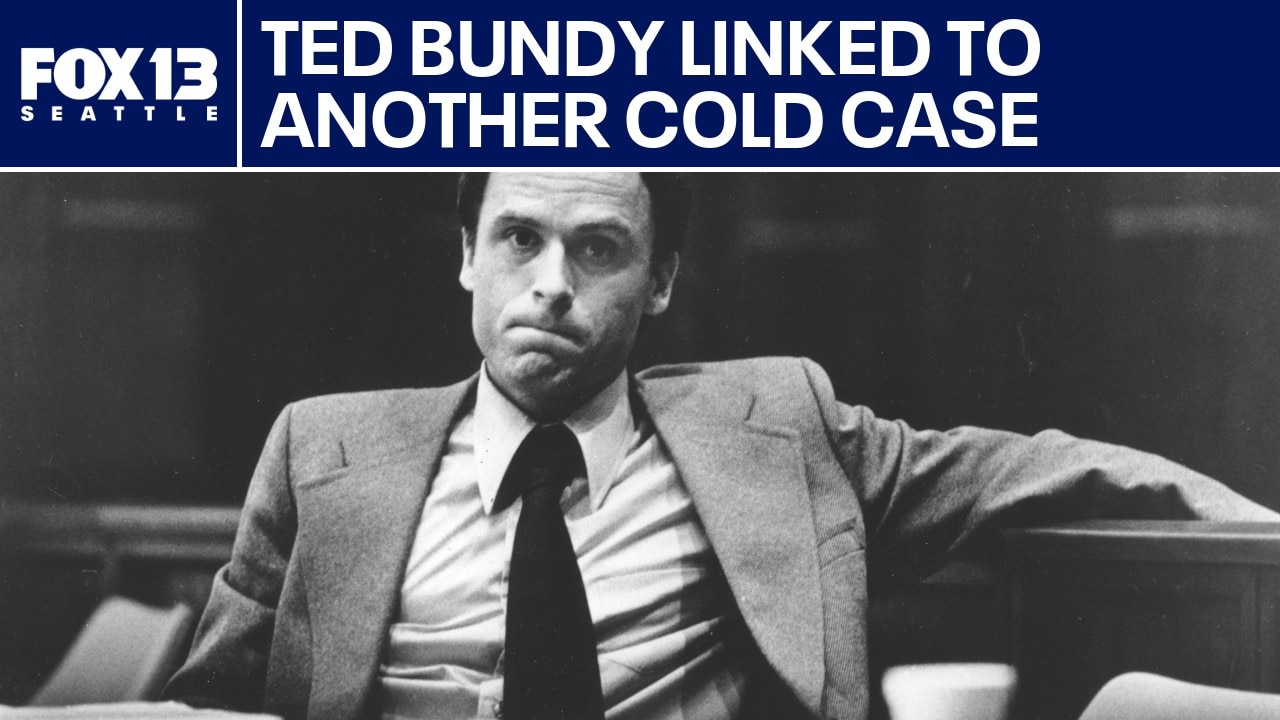
Utah authorities link another cold case murder to serial killer Ted Bundy
DNA connects serial killer Ted Bundy to the death of a Utah teenager, authorities announced Tuesday, more than 50 years after her body was discovered by a hunter. Bundy has been dead since 1989, but the tally of his confirmed victims continues to grow due to advances in DNA testing. He killed at least 30 women and girls in multiple states in the 1970s, and many more escaped or survived with injuries. The Summit County, Utah, prosecutor said investigators are satisfied that Bundy was responsible for killing 17-year-old Melissa Ann Smith in 1974, a death that had long been listed as a cold case. Bundy was executed in 1989 by electric chair in Florida.
What we know:
Melissa Ann Smith was the daughter of Midvale Police Chief Louis Smith. She attended Hillcrest High School and Continental Beauty College, according to a 1974 report in the Jordan Valley Sentinel. She had a younger sister, Jolene.
Smith disappeared on Oct. 18, 1974, after visiting a friend at a pizza restaurant in Midvale, a suburb of Salt Lake City. Police investigated dozens of leads and reported sightings across Utah, while neighbors collected more than $1,000 for a reward for information that would bring her home, the Sentinel reported.
Nine days after she disappeared, deer hunters found her body near Summit Park.
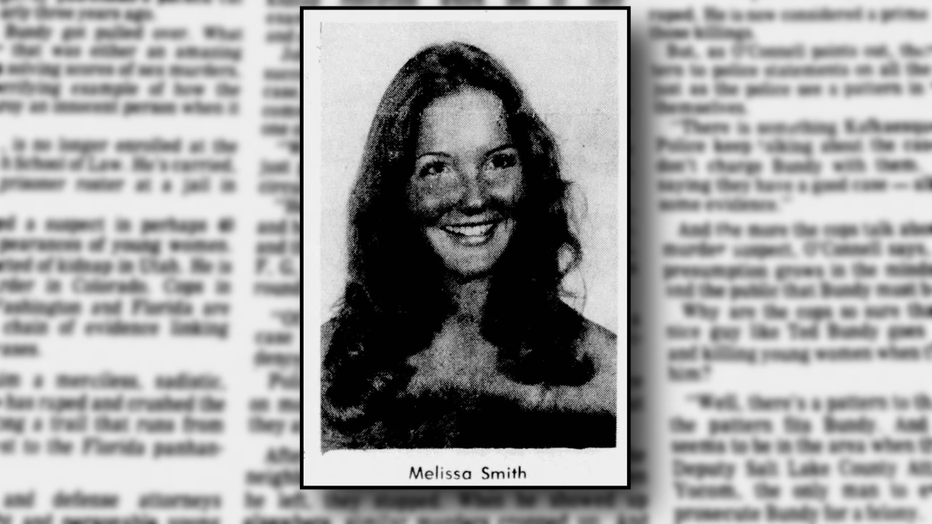
Melissa Ann Smith
"52 years ago today, October 27th, 1974, the body of 17-year-old Melissa Ann Smith was discovered by hunters in a wooded area," an official said at a news conference Tuesday.
Prior to her funeral, the Jordan Valley Sentinel reported: "Except for a knee-length stocking found knotted around her throat, there were no other personal effects found."
Investigators looked at Bundy decades ago
In the years after Smith’s death, investigators sought to connect Bundy to her murder.
A November 1977 Salt Lake Tribune article reported that Smith’s father, sister and best friend had been subpoenaed to testify at a hearing in Aspen, Colorado, where Bundy was facing a murder charge in the death of a Michigan nurse, Karyn Campbell. Prosecutors wanted to introduce information about Smith’s killing at the hearing.
DNA brings answers after 52 years
At a news conference Tuesday morning in Salt Lake County, investigators said DNA evidence, considered alongside other evidence, established that Bundy was responsible for Smith’s murder.
The breakthrough came following developments in the cold case of Laura Aime, another 17-year-old murdered in Utah County in November 1974. Earlier this year, the Utah State Crime Lab isolated DNA profiles from biological evidence recovered from Aime's remains, producing a direct match to Bundy’s national CODIS profile on file in Florida.
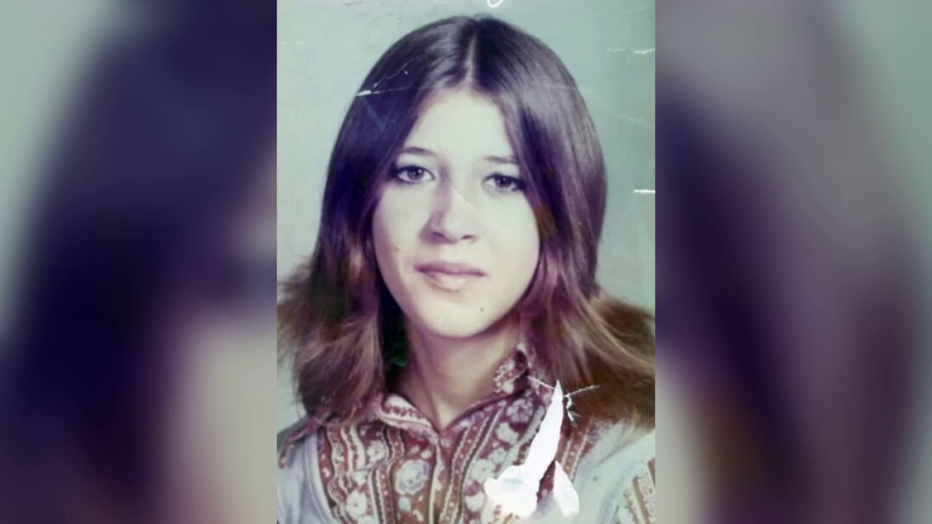
Laura Aime
Using that evidence, state forensic analysts generated a paternal Y-STR DNA profile from the Aime evidence and compared it directly to the Y-STR DNA profile taken from Smith's autopsy evidence. On July 14, 2026, crime lab analysts concluded both Y-STR profiles matched. Supported by records of Bundy's timing, geography, and methods, Summit County Attorney Margaret Olson officially signed off on closing the case.
What we don't know:
Because Y-STR chromosomes are shared across male lineage lines and cannot be uploaded directly into CODIS for automated database searches, investigators could not obtain an independent statistical sweep across unrelated family matches without reference material.
Additionally, police have not disclosed full details about whether Bundy made specific death-row confessions to detectives regarding Smith before his execution, relying primarily on forensic and circumstantial alignment to close the file."The Summit County sheriff and county attorney will provide information regarding the investigation, the findings that led to this conclusion, and the decision to close the case," the sheriff’s office said in an official statement.
Who was Ted Bundy?
The backstory:
Ted Bundy (1946–1989) was one of the most notorious American serial killers, kidnappers, and rapists. Before his execution in Florida's electric chair in January 1989, he confessed to 30 homicides committed across seven states between 1974 and 1978, though investigators suspect his true victim count was significantly higher.

FILE - Accused murderer Ted Bundy attends the second day of jury selection in his murder trial, June 27, 1979, in Miami, Fla. (AP Photo,File)
Bundy was born Theodore Robert Cowell in Vermont, but his formative years and early adulthood were centered entirely in the Pacific Northwest. What made Bundy uniquely terrifying to the public and elusive to law enforcement was his outward presentation:
- The "Chameleon" Persona: Unlike the stereotypical image of a violent criminal at the time, Bundy was conventionally handsome, articulate, charismatic, and politically connected.
- Modus Operandi: He frequently feigned physical disability (wearing a fake plaster cast or walking with crutches) or posed as an authority figure (like a police officer) to ask young women for assistance loading items into his bronze Volkswagen Beetle. Once his victims were close, he would overpower, abduct, and assault them.
Significance to Washington state
Big picture view:
Washington state was the crucible of Bundy’s life, his education, his public integration, and the launchpad of his killing spree.
Bundy confessed to around 30 homicides committed between 1974 and 1978 across Washington, Oregon, Idaho, Utah, Colorado, and Florida before he was executed in Florida's electric chair in January 1989.
The closure highlights the evolving role of modern biological processing in solving decades-old crimes where suspects are deceased, eliminating guesswork and historical speculation through direct molecular matches.
What's next:
Salt Lake County and Utah County detectives confirmed they are not closing the book on Bundy's remaining cold cases in the Intermountain West.
Salt Lake County Detective Ben Pender said investigators are actively coordinating to re-examine other unresolved disappearances attributed to the era, specifically pointing to the unsolved 1974 disappearance of 16-year-old Nancy Wilcox in Holladay, Utah.
The Source: Information in this story came from Summit County Sheriff's Office, The Associated Press, King County Sheriff’s Office, Washington State Multi-Agency Task Force, King County and Thurston County Superior Court archives, Seattle Post-Intelligencer (1974–1989), The News Tribune, and previous coverage and reporting from FOX 13 Seattle.
MORE NEWS FROM FOX 13 SEATTLE
Authorities connect serial killer Ted Bundy to 1970s Utah homicide
Feds ask WA to set aside 400 ballots from suspected noncitizens
Woman hospitalized after bear attacks her near home in Index, WA
Police search for suspect after deadly Everett apartment shooting
Seattle Vietnamese restaurant Mi La Cay closing after 30 years in the CID
To get the best local news, weather and sports in Seattle for free, sign up for the daily FOX Seattle Newsletter.
Download the free FOX LOCAL app for mobile in the Apple App Store or Google Play Store for live Seattle news, top stories, weather updates and more local and national news.