

Here's where – and what – schools are required to teach about 9/11
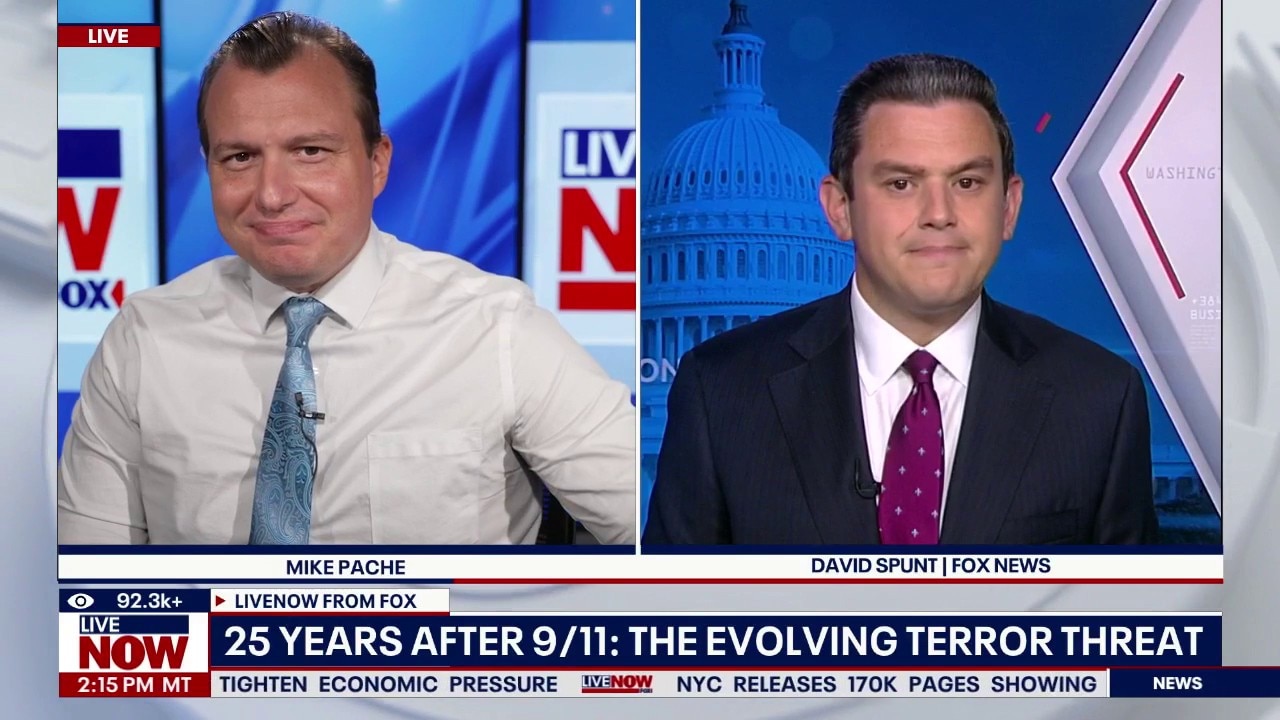
25 years after 9/11: The evolving terror threat
LiveNOW’s Mike Pache brings Fox News’ David Spunt into the conversation to discuss what Justice Department officials addressed during a 9/11 press conference earlier today, as well as evolving terror threats and changes to security measures.
As the 25th anniversary of the Sept. 11, 2001 attacks approaches, teachers and schools across the country are confronting a question that has become increasingly urgent: How should a new generation learn about an event that many know only as history?
About one-third of Americans were born after the Sept. 11 attacks, which killed nearly 3,000 people when hijackers crashed four commercial airliners in New York, at the Pentagon and near Shanksville, Pennsylvania.
Majority of states have policy for addressing how to teach 9/11
Big picture view:
A decade after the attacks, about 60% of states did not explicitly mention 9/11 in their education standards. That has changed as more time has passed and the attacks have become part of what educators view as settled history, said Jeremy Stoddard, an education professor at the University of Wisconsin who has studied 9/11 education for decades.
"For those states that include it, it seems to be going in much more depth than it was in the past," Stoddard told The Associated Press.
In fact, according to an analysis by The AP, at least 40 states now have some policy addressing how public schools should teach or observe 9/11.
But the approaches vary widely, from detailed requirements about what students should learn to broad recommendations that leave much of the curriculum up to individual schools or teachers.
The data found that 25 states have laws or education standards that specifically require or expect instruction on the attacks, while another 13 include optional references to 9/11. Several other states have policies encouraging schools to mark the anniversary.
Teachings vary by state
Dig deeper:
What students are taught can differ considerably by state.
For example, Alabama incorporates 9/11 into lessons on U.S. military involvement in international conflicts since 1980, beginning as early as fifth grade.
Meanwhile, Texas has taught 9/11 and surrounding events as an example of "radical Islamic terrorism" and a key piece of modern history overall.
Colorado suggests that high school students can examine the aftermath of the attacks, including discrimination against people from the Middle East.
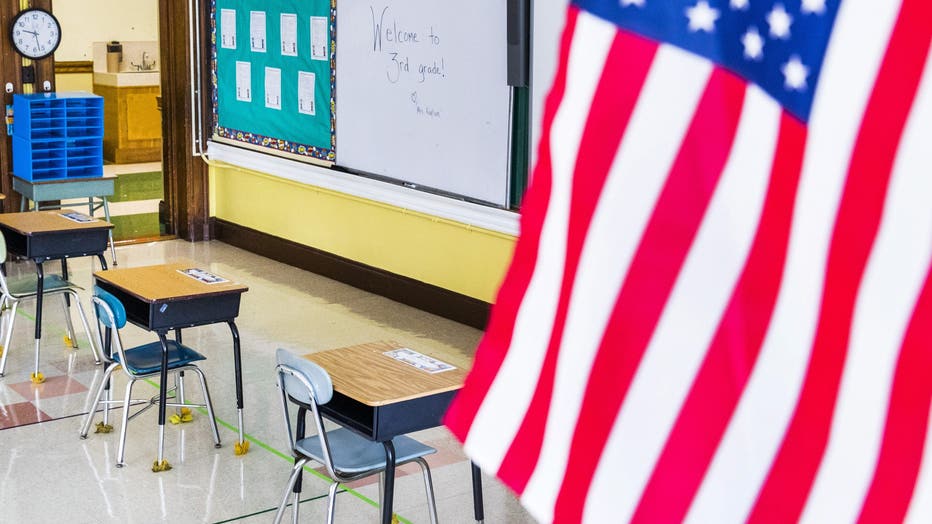
Educators face the challenge of teaching 9/11 accurately while keeping lessons age-appropriate, especially for students born after the attacks.(Credit: Adam Glanzman/Bloomberg via Getty Images)
New Mexico envisions standards can also include discussions of the wars that followed, changes to U.S. law, the detention of suspected enemy combatants at Guantanamo Bay and the Abu Ghraib prisoner-abuse scandal.
States as politically different as California, Florida, New Jersey and North Dakota all propose or expect that students discuss post-9/11 efforts to balance national security and civil liberties, for instance.
But the differences have created a challenge for educators: how to teach the facts and consequences of 9/11 without exposing younger children to details that may be unnecessarily frightening or graphic.
RELATED: Sept. 11 stands among the most historic events in Americans’ lifetimes, poll finds
In Arizona, a 2022 law required age-appropriate education about Sept. 11 in all public schools. Last year, lawmakers narrowed that requirement to students in seventh through 12th grades.
"We have to protect young children from the true horror of 9/11 and ensure older children never forget it," said state Sen. John Kavanagh, a Republican who sponsored the first measure and supported both.
A recent Pew Research Center poll found that about 60% of U.S. young adults say they first learned about the attacks in school.
The Source: The information for this story was provided by The Associated Press, which gathered its data through requests to all states, reviews of standards in four states that didn't answer, and interviews with lawmakers and other officials. This story was reported from Los Angeles.