

Sky-high diesel costs have school districts scrambling to keep buses running
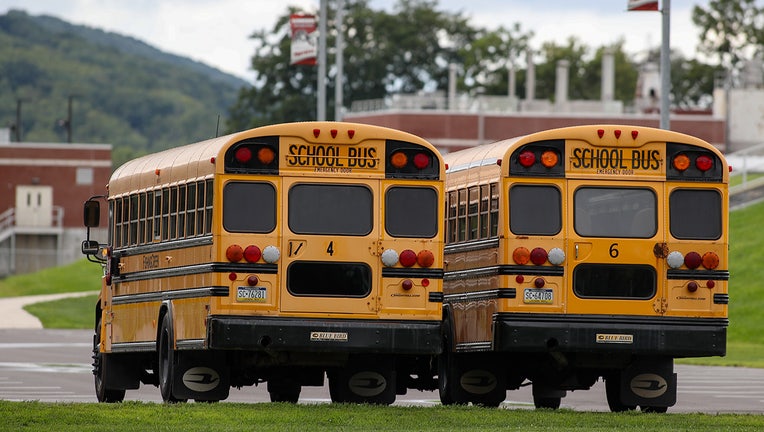
School buses are seen parked at Bloomsburg High School, in Bloomsburg, Pennsylvania. (Photo by Paul Weaver/SOPA Images/LightRocket via Getty Images)
Getting millions of children to class every day is growing a lot more expensive, thanks to soaring fuel prices, and school districts are starting to feel the pinch.
Big picture view:
Diesel prices in the U.S. have soared 67% since December and that is putting a strain on many school districts’ budgets. Not only do the districts need diesel for their school buses, they also have to have it to power their generators.
Why you should care:
School administrators across the country are finding themselves using districts’ emergency funds for one of the most basic educational needs, getting kids to class. A Reuters report found the strain high diesel prices are having on districts, including a rural Alaska one that is struggling getting enough diesel to keep its lights on.
RELATED: Map: How much are federal, state gas taxes?
By the numbers:
The fleet price for diesel in the U.S. has skyrocketed to $5.52 per gallon this year and the American School Bus Council estimates the famously yellow buses burn through about $800 million gallons every year. Fleet management technology provider Samsara projected that schools are going to need to come up with another $1.8 billion just to cover the difference.
What they're saying:
"Districts can plan for higher costs, but rapid swings in prices make it very difficult to budget accurately," Association of School Business Officials International Executive Director James Rowan said. "Even districts that have been able to absorb costs this year through reserves or temporary measures - they may not have that same flexibility going forward."
RELATED: April had the 6th-highest gas prices in nearly 4 years
Dig deeper:
The Reuters report noted a survey of school districts in the U.S. commissioned by the School Superintendents Association that found nearly a third of the mare dipping into other funds or programs to pay their fuel bills and fifth of them have already had to tap reserves.
The Source: Information for this article was taken from Reuters. This story was reported from Orlando.