

Tipping went from ‘un-American’ to unavoidable, economist says; why that could be a good thing
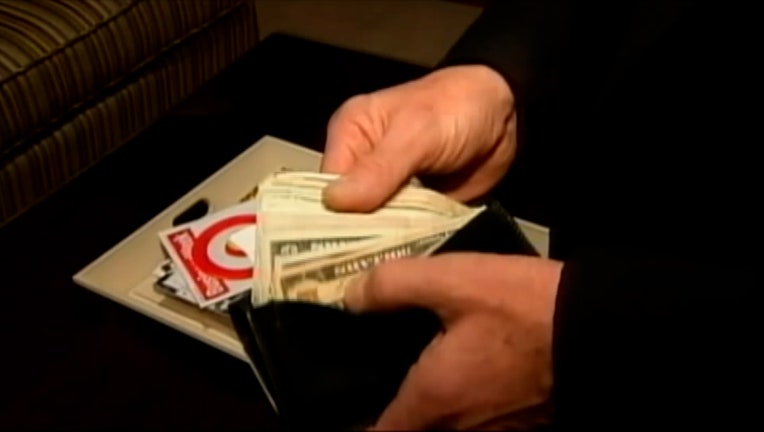
FILE - Customers in the U.S. may feel a bit of tipping fatigue, but the practice may have important benefits, a Texas A&M economist says. (WNYW)
Tipping has grown into such a regular practice when eating out in the United States that many customers take for granted that they will leave one. In fact, an American overseas may have to fight the urge to do so in countries where it is much less common. But that was not always the case. In fact, as a Texas A&M University professor pointed out, the roles used to be reversed.
What they're saying:
"Tipping, oddly enough, was brought over from Europe to the United States and was considered un-American, in fact, banned in some places, but has obviously become pervasive," economics professor Jonathan Meer explained. "We find it everywhere, even at self-serve kiosks these days, which rubs a lot of people the wrong way."
The backstory:
The apparent growth and pervasiveness of tipping over the course of the past decade has led to some pushback against the practice from U.S. consumers. Oftentimes, the criticism stems from the number of times and places they are asked to leave a tip. While some restaurants have tried no-tip models, diners are still leaving tips at approximately the same rate as they have been, according to one recent assessment.
RELATED: Map: America's best tippers revealed in new data
Why economists like tipping
Meer explained that economists tend to see tipping as an important way to improve the quality of service a customer receives. He described it as a solution to the "principal-agent problem," wherein a manager or owner is unable to closely monitor how good of service the customer receives. One person, though, is intimately aware of the quality of service: the customer.
Having the customer determine some of the server’s pay helps improve service and ensure that the server’s goal aligns with the restaurant’s goal of satisfying customers, Meer continued. He conceded that the system is dependent on customers being responsive to the quality of the service by leaving better tips for jobs well done. The evidence for whether customers do so, he admitted, is "somewhat mixed."
The minimum wage effect
Many state labor laws take into account the expectation that servers may receive tips and will set the minimum wage for them at a lower level than for other workers. However, according to Meer, even in a place like Seattle, where the minimum wage is over $21 an hour and applies to bartenders and servers, the culture of tipping is so pervasive that customers tend to leave them there too.
Meer went on to acknowledge that "social norms make it really difficult to move from one state of the world with tipping to another without tipping."
The Source: Information for this article was taken from the Associated Press, Fox News, and the point-of-sale management company Toast. This story was reported from Orlando.
The Source: