

U.S. Mint in Philadelphia to end penny production, last 1-cent coin pressed
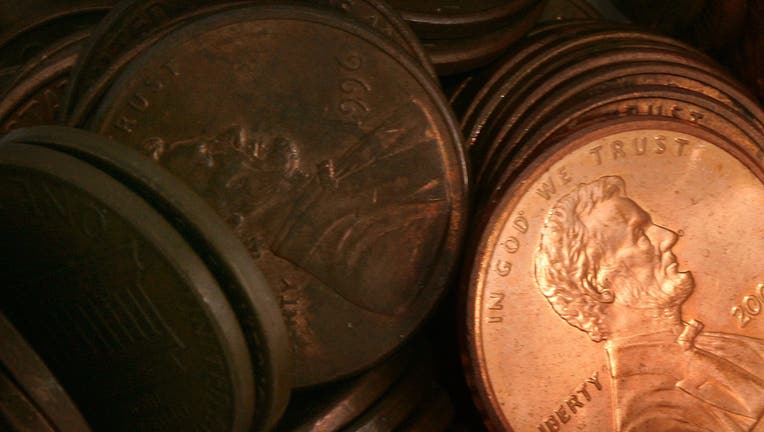
DES PLAINES, IL - JULY 06: Pennies lay in a pile July 6, 2006 in Des Plaines, Illinois. According to the U.S. Mint says a penny costs more to make than it's worth, 1.2 cents, prompting some to call for its demise. (Photo Illustration by Tim Boyle/G
PHILADELPHIA - In a historic moment for American currency, the U.S. Mint has struck its final penny. After more than 230 years of continuous production, the one-cent coin is being phased out in a symbolic moment, shifting away from cash. As the penny is phased out, new challenges for shops and banks across America begin.
Why is penny production canceled?
What we know:
The U.S. Mint confirmed the cost of making pennies is more than the value of the coin itself. In 2024, it cost 3.69 cents to produce each penny, resulting in an $85 million loss for the Treasury.
Faced with mounting costs and diminishing use of the coin, the Mint placed its final order of penny blanks in May and declared the end of new penny production by early 2026.
However, the penny remains legal tender, and it isn’t being recalled or demonetized. The billions already tucked away in purses, coin jars, wishing wells — and wedged between car seats — will keep circulating, if they’re ever found.
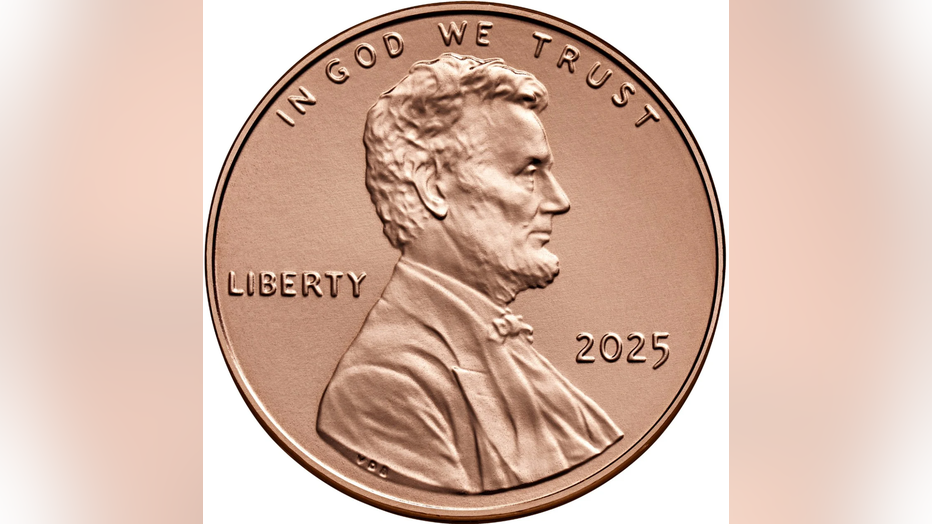
2025 Penny - U.S. Mint in Philadelphia
The Philly connection
The backstory:
The penny has been part of American pocket change since the U.S. Mint opened in 1792, beginning as a large copper coin featuring Lady Liberty and evolving into the familiar Lincoln cent we know today.
President Abraham Lincoln’s profile, first added in 1909 to mark his 100th birthday, has appeared on the obverse ever since.
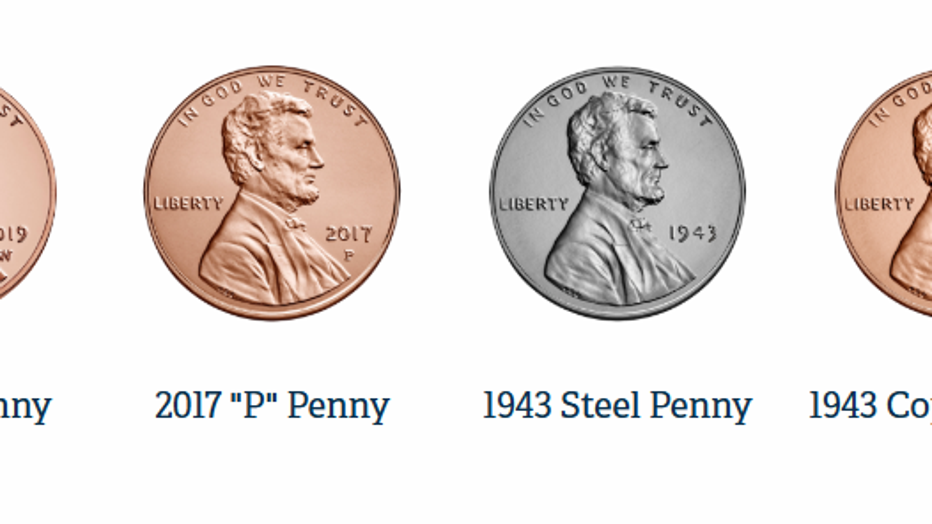
Penny variations over the years (U.S. Mint)
Over the decades, the reverse side has changed from wheat stalks to the Lincoln Memorial and, since 2010, the Union Shield, symbolizing Lincoln’s preservation of the Union.
The penny has seen its share of variations: steel versions struck during World War II to conserve copper, a one-year "P" mint mark added in 2017 for the Mint’s 225th anniversary, and a special collectible run from the West Point Mint in 2019.
What shoppers and banks are facing now
Retailers say they are running short of pennies and have no federal guidance on how to handle the transition, according to reporting by Finance & Commerce. Some convenience stores are already asking for exact change, rationing pennies or offering promotions to clear out stock.
Bank coin-order terminals are limiting penny shipments. As inventory dwindles, the Federal Reserve says future pennies will only be distributed "as inventory allows."
On the consumer side, when cash remains in play, prices may have to be rounded to the nearest nickel, following the model used in other countries that have phased out pennies.
What's next:
Bills, digital payments and major coins (such as nickels, dimes, quarters) stay unaffected for now.
Retailers and banks are watching inventory closely, and if pennies vanish from circulation, broader cash-handling adjustments could be expected.
Consumers may see less penny change, and businesses may begin rounding out cash totals, but only when the penny supply is dried up. Experts say change will be gradual, since the U.S. already has 114 billion pennies in circulation and no immediate recall is planned.
The Source: Reporting by the Associated Press, People.com and Reuters was sourced in this article. Information from the Federal Reserve and U.S. Mint was also used.