

She helped Halle Berry navigate menopause; Now she's helping others
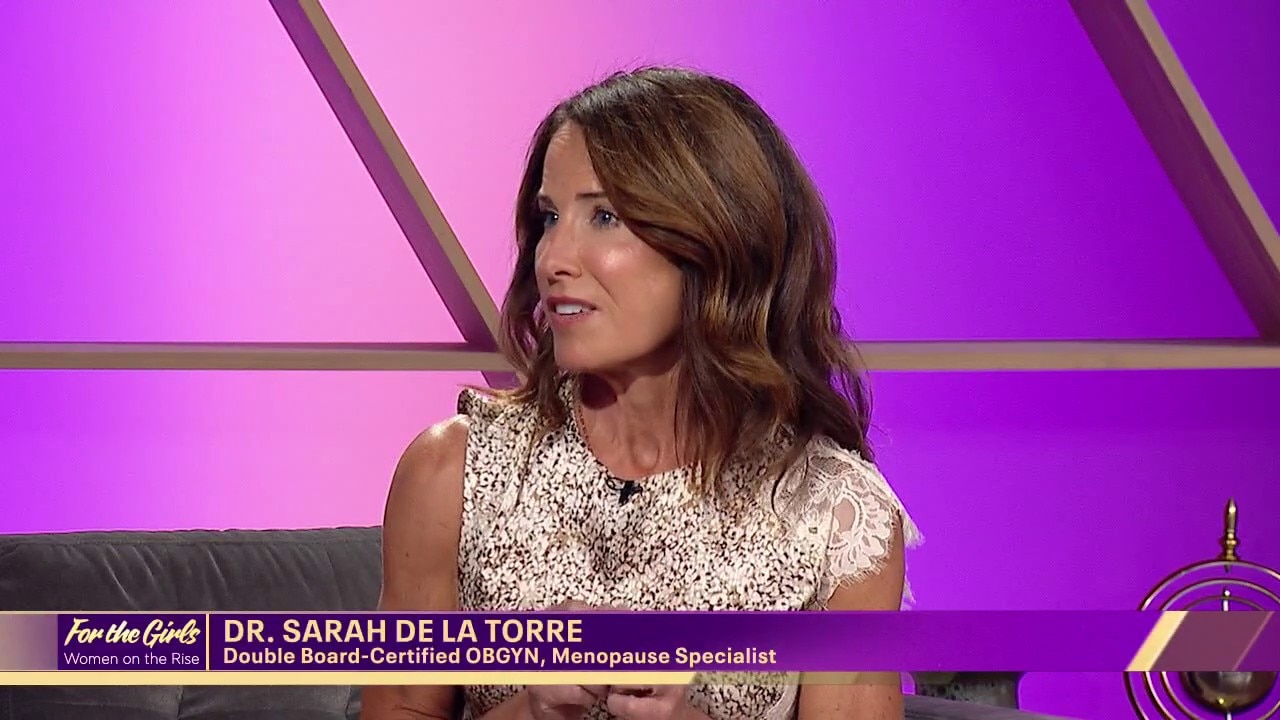
For the Girls: She helped Halle Berry navigate menopause. Now she's rewriting midlife care
More than 1 billion women globally are navigating the physical and mental shifts of perimenopause and menopause, yet many still find themselves dismissed by a medical system ill-equipped to treat them. Dr. Sara de la Torre, a Seattle-based, double board-certified physician specializing in OB-GYN, lifestyle medicine, functional medicine, and menopause care, is working to change that narrative. After a hand injury forced her to step away from delivering babies, Dr. de la Torre redirected her career toward midlife health—a journey that eventually led to a high-profile partnership with Academy Award-winning actress Halle Berry.
SEATTLE - More than 1 billion women globally are navigating the physical and mental shifts of perimenopause and menopause, yet many still find themselves dismissed by a medical system ill-equipped to treat them.
Dr. Sara de la Torre, a Seattle-based, double board-certified physician specializing in OB-GYN, lifestyle medicine, functional medicine, and menopause care, is working to change that narrative. After a hand injury forced her to step away from delivering babies, Dr. de la Torre redirected her career toward midlife health—a journey that eventually led to a high-profile partnership with Academy Award-winning actress Halle Berry.
On the 5th edition of ‘For the Girls: Women on the Rise." Dr. de la Torre broke down the realities of hormone replacement therapy (HRT), the unique challenges faced by women of color, and why midlife should be viewed as a time of thriving rather than decline.
The Blind Spot in Modern Medicine
What they're saying:
For most women, the transition begins with perimenopause—a turbulent phase of fluctuating hormones that can last anywhere from four to 10 years, bringing symptoms ranging from brain fog and depression to loss of bone density. Despite affecting over half the population, the medical community has historically offered little preparation.
"Residency did not prepare me for taking care of women in perimenopause and menopause," Dr. de la Torre said, noting that training in this area during OB-GYN residency is often less than an hour.
She says this lack of education trickles down to patients, many of whom are told their symptoms are merely stress or normal aging. Dr. de la Torre frequently hears from patients who have seen half a dozen doctors before finding someone willing to listen.
"If you're not feeling like yourself, something's going on and you need a clinician who listens," she said.

Melinda French Gates opens up about new chapter, perimenopause, and building community in Seattle
In an exclusive interview with FOX 13 Seattle, Melinda French Gates speaks on her commitment to Seattle, women's health, and investing in women’s power and influence.
The Reality of Hormone Replacement Therapy
Dig deeper:
Hormone replacement therapy (HRT)—also referred to as menopause hormone therapy—aims to replace the estrogen, progesterone, and testosterone that the body loses over time. While past decades were clouded by restrictive guidelines, current medical understanding views HRT through a much safer, more individualized lens.
"Every woman deserves a conversation about menopause hormone therapy," Dr. de la Torre said. "It may be your choice, it may not... but for many women, it can be absolutely life-changing."
Addressing common patient questions, Dr. de la Torre clarified several key aspects of HRT:
Duration: The old standard of using hormones for the shortest time possible is outdated. Current evidence supports using HRT for as long as a woman needs it, as stopping prematurely can impact cardiovascular and bone health.
Monitoring: Hormones are not a "set it and forget it" treatment. Patients require close check-ins every six to 12 months, particularly during the first year of adjustments.
Timing: While previous guidance emphasized starting HRT before age 60 or within 10 years of menopause, older patients can still be evaluated on a case-by-case basis depending on personal and family medical history.
For women who choose not to or cannot take systemic hormones, alternatives include FDA-approved non-hormonal medications, cognitive behavioral therapy, lifestyle adjustments, and localized vaginal hormones, which help prevent issues like recurrent urinary tract infections.
Equity and Early Intervention in Women of Color
Disparities in menopausal care run deep, particularly for Black and brown women, who experience perimenopause an average of two to three years earlier, often with more severe and prolonged symptoms.
Dr. de la Torre attributes this gap to historical oversights in medical research, which frequently relied on data from male or predominantly white cohorts. She encourages younger women of color entering their 40s to advocate early for themselves, especially if they carry higher baseline risks for conditions like cardiovascular disease, hypertension, or diabetes.
A New Chapter
What's next:
Ultimately, Dr. de la Torre wants to dismantle the cultural stigma that paints menopause as the beginning of an inevitable decline. With figures like Halle Berry and Melinda French Gates publicly sharing their own health journeys, the conversation around midlife is shifting.
"I want women to understand that culture has described and made us think that menopause is the beginning of a big decline, and I want to push back against that," Dr. de la Torre said. "With the right support and care and advocacy for yourself, you can thrive in menopause and you can set yourself up for many healthy decades ahead of you."
The Source: Information for this story came from an interview on FOX 13 Seattle's "For the Girls," which is hosted by anchor Sabirah Rayford.
MORE NEWS FROM FOX 13 SEATTLE
Family of Kent teen arrested in Chelan Hills Fire speaks out
Texts show Mayor’s Office confusion after Bite of Seattle shooting
FBI offers $150K reward for Tacoma store owner in $600K SNAP fraud scheme
WA salmonella outbreak linked to broccoli sprouts leaves 13 sick
WA officials release guide outlining election administration roles
Lindsay Clancy murder trial ends in mistrial after jury deadlocked
To get the best local news, weather and sports in Seattle for free, sign up for the daily FOX Seattle Newsletter.
Download the free FOX LOCAL app for mobile in the Apple App Store or Google Play Store for live Seattle news, top stories, weather updates and more local and national news.