

What happened to Apollo 13? 'Houston, we've had a problem'
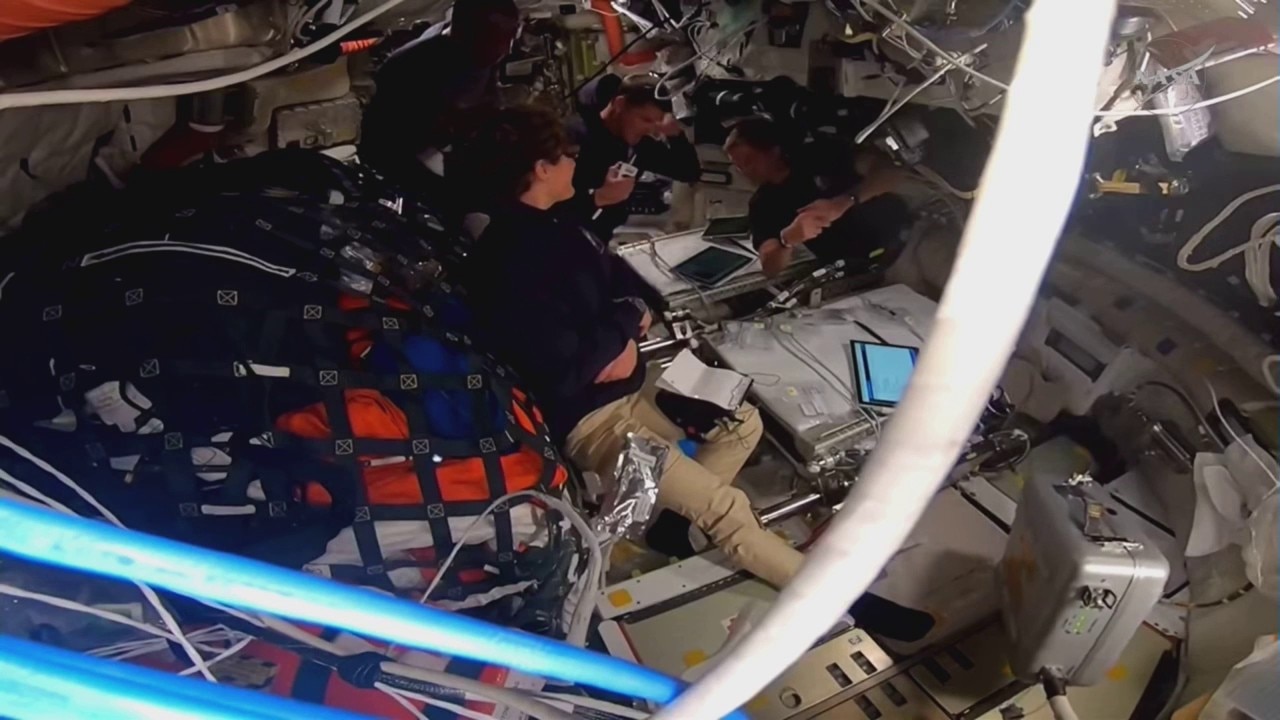
Artemis II breaks Apollo 13 record of space travel from Earth
The Artemis II crew has now traveled farther from Earth than any other human ever on its way to the moon. At 1:57 p.m. on Monday, April 6, Artemis II's astronauts aboard the Orion spacecraft, traveled more than 248,655 miles from Earth, breaking the previous record set by the historic Apollo 13 mission in 1970. The Artemis II crew is expected to reach a maximum distance of 252,752 miles from Earth as it conducts a flyby of the moon – the pivotal part of its 10-day lunar mission.
"Houston, we’ve had a problem.."
Many have heard the iconic message and it became a staple in regular conversation and pop culture years after.
The phrase is often used when a situation has become dire, and rightfully so because it was the phrase that kicked off one of the most harrowing space rescue missions in history.
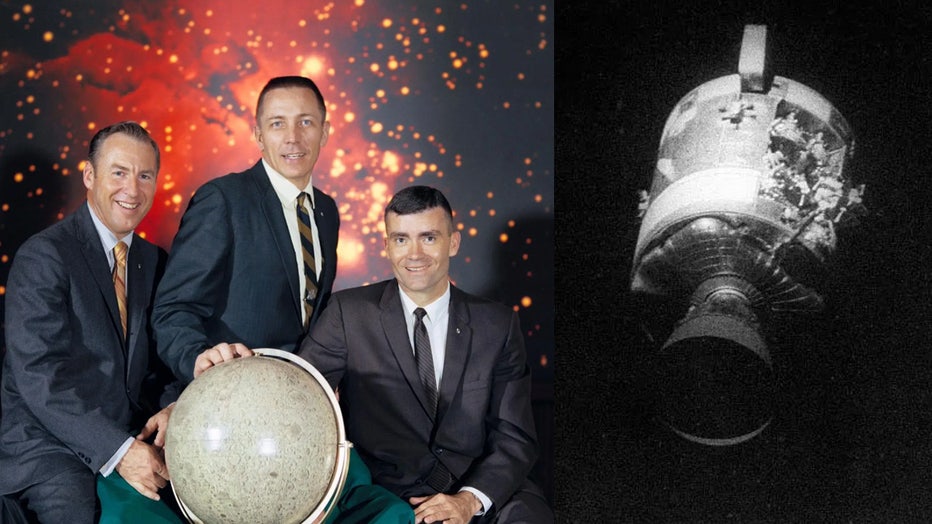
FILE - A side-by-side image of the Apollo 13 astronauts, from left to right: James A. Lovell Jr., John L. Swigert Jr., and Fred W. Haise Jr., and a view of the damaged Apollo 13 Service Module. (NASA)
What was Apollo 13’s original mission?
Dig deeper:
Apollo 13 was the seventh crewed mission in the Apollo Space program and was going to be the third lunar landing mission, according to NASA.
The goal was to land in the Fra Mauro area of the moon.
However, an explosion aboard the spacecraft while 200,000 miles from Earth, changed the mission. The lessons learned have benefited space travel since.
Officials referred to it as a "successful failure," according to NASA.
Meet the Apollo 13 crew
The crew consisted of
- Commander James Lovell, Jr.
- Command Module Pilot John "Jack" Swigert
- Lunar Module Pilot Fred Haise.
What they're saying:
"Apollo 13’s iconic mission will forever be enshrined into our collective history. However, through ACCLLP, the lessons learned from the accomplishments of the crew and ground teams that brought them home, now have an essential role to play in successfully returning America back to the Moon and on to Mars," Mike Ciannilli, ACCLLP Program manager said in a news release celebrating the mission’s 50th anniversary.
"We are reaching a new generation of space explorers."
What happened on Apollo 13? Oxygen tank explodes
Timeline:
At about 9 p.m. ET on April 13, 1970, Apollo 13 was more than 200,000 miles away from Earth.
At 9:08 p.m., which was about 56 hours into the flight, an explosion rocked the spacecraft.
One of the spacecraft’s oxygen tanks had blown up and disabled the regular supply of oxygen, electricity, light and water.
That’s when Astronaut James Lovell messaged back to ground control and said, "Houston, we’ve had a problem here."
As oxygen was leaking rapidly, the moon landing mission turned into a rescue mission.
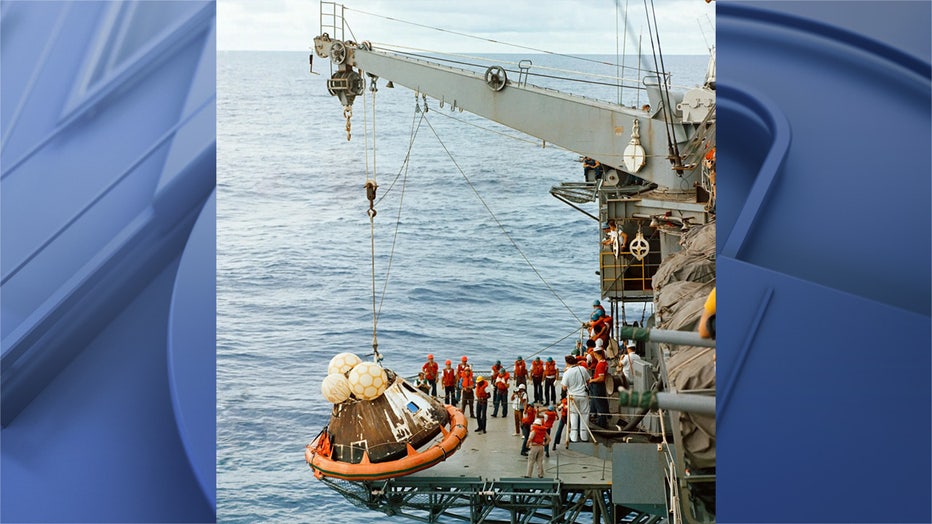
FILE - Crew men aboard the USS Iwo Jima, prime recovery ship for the Apollo 13 mission, hoist the Command Module (CM) aboard the ship. The Apollo 13 crew members, astronauts James A. Lovell Jr., John L. Swigert Jr., and Fred W. Haise Jr., were alread
After three long days of near-freezing temperatures, low food supply and water, the three astronauts returned home, reentering Earth’s atmosphere on April 17, 1970, just before 1 pm. ET
They splashed down in the Pacific Ocean near Samoa.
What caused the explosion?
Big picture view:
The explosion during Apollo 13 was caused due to a series of technical oversights and damaged insulation.
The Source: Information for this article was taken from NASA’s website and History.com. This story was reported from San Jose.