

Pierce County, WA mom credits heart monitor for helping save her life from rare condition

Pierce County, WA mom credits heart monitor for helping save her life from rare condition
A Pierce County mother says heart-monitoring technology saved her life after her heart stopped twice. A wearable “Zio” patch detected an irregular heartbeat, leading doctors to uncover a hidden health risk and treat a rare genetic heart condition.
PIERCE COUNTY, Wash. - A Pierce County mother is alive to tell her survival story, after her heart stopped, twice. New technology detected she was experiencing abnormal heartbeats due to a rare genetic heart condition she was unaware of. Data from the device led doctors to run more tests to diagnose the life-threatening condition and prescribe treatment that saved her.
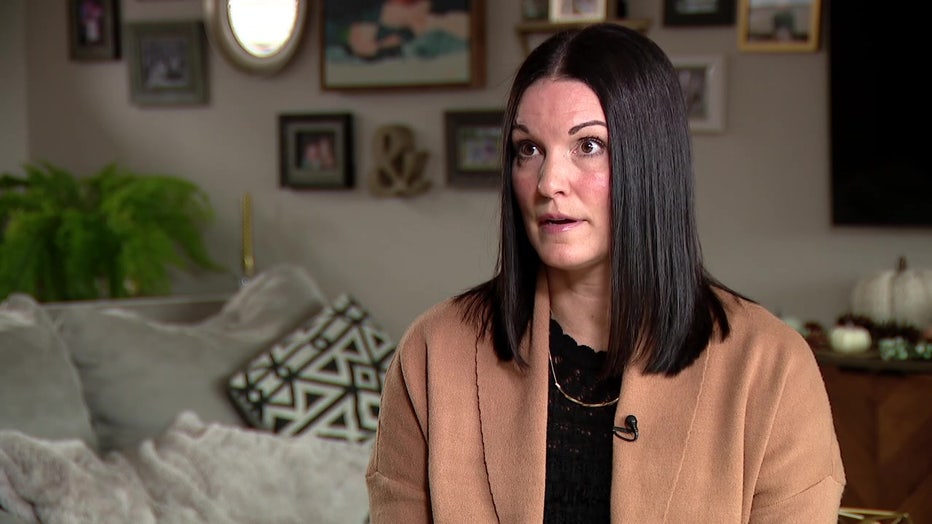
"I was pretty healthy until I wasn’t," said Charissa Hudson. "I do believe that the technology saved my life."
Charissa, 40, is a wife and mother of three. She said she tries to live a healthy lifestyle.
"I do love to be outside. We love to go down to the beach. I love to walk. I have three dogs, so walking is a part of keeping them healthy too," she said.
The backstory:
Charissa said she never really questioned her health. But in April 2024, a regular walk through her neighborhood with her mother changed that.
"I started feeling really weird and had that sensation. My mom was a little ahead of me and I said, ‘Mom I have to stop. I don’t feel right,’" said Charissa.
She passed out for more than four minutes. Charissa said when she woke up, she had a splitting headache, and her heart was pounding. Short moments later, local firefighters and medics rushed her to St. Joseph Medical Center in Tacoma.
The incident happened after Charissa had just returned home from a two-week trip abroad. She thought maybe she was experiencing jetlag or an illness.
"You don’t think of the worst. You think, like, well that’s strange, but I did not know at that point the magnitude of what had happened other than how it felt coming out of it," said Charissa.
Healthcare providers at St. Joseph Medical Center checked her vitals and everything was normal, except an abnormal heartbeat. Doctors prescribed a Zio AT heart monitor to be worn on her chest for two weeks and sent her home.
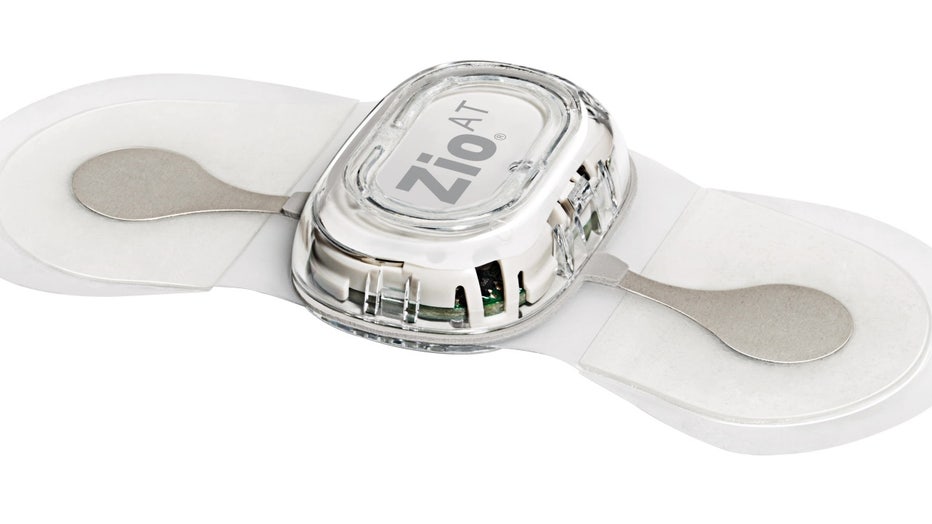
Charissa said she felt fine following that hospital visit, but then eight days later, she passed out again. This time she was alone in her home office.
"That time I had no warning. I just went out," said Charissa.
Rushed back to the emergency room, doctors collected data from iRhythm, the maker of her heart monitor. The data report showed her heart was abnormally beating so fast to a point that it stopped.
"The doctor basically said you’ve had a sustained ventricular tachycardia event that’s not compatible with life. And I was like, ‘Oh, ok!’" she said in shock. "Everyone kept saying, we looked at your report, we don’t know how you’re here. It’s pretty miraculous."
With additional imaging and testing by her doctors, Charissa was diagnosed with a rare genetic heart condition called arrhythmogenic right ventricular cardiomyopathy (ARVC). Health professionals said ARVC causes the heart’s electrical system to beat too fast and to stop pumping.
ARVC has a prevalence of approximately 1 in 2,000 to 1 in 5,000 people. Its rarity is partly due to being underdiagnosed, as many individuals have mild or no symptoms, especially early in life. Symptoms can include palpitations, chest pain, fainting, lightheadedness, and shortness of breath.
Charissa said she never knew she carried the gene for ARVC, and likely never would have known her heart was unhealthy. And at her age, she was pretty young to be experiencing cardiovascular issues.
"If I hadn’t been wearing the heart monitor, I probably would have had another episode because my heart was getting weaker and weaker with each one. And that I probably wouldn’t be here," she said.
iRhythm explained arrhythmia is intermittent and can be hard to catch while someone is at the hospital. Continuous monitoring can help doctors make a more accurate diagnosis.
Fortunately for Charissa, after her first fainting episode, medics transported her to one of the only hospitals in the area that "orders ambulatory cardiac monitoring using the Zio heart monitoring device on patients at discharge," according to iRhythm.
"Programs like the cardiac patch monitor system are a great example of how we continue to innovate and embrace that technology. It improves the quality of care for these patients and really for our community," said Chris Handy, program manager at the Center for Cardiovascular Health at Virginia Mason Franciscan Health.
Leaders at VMFH said advancement in technology is how their healthcare team is saving more lives, like Charissa’s.
"These monitors have really helped our teams provide better care, and a good example that I’ll actually bring up is one of the programs that we started, which was in the emergency department. So, we identified this opportunity to really give more quality care to patients that were visiting our emergency departments," said Handy.
What you can do:
For anyone who thinks they may be experiencing symptoms, Handy advises them to get medical attention.
"We are always going to encourage them to come in and speak to a provider, but if they feel like it is more urgent, and they need to go into one of our urgent cares or the emergency departments at Virgina Mason Franciscan Health, we can place these monitors," said Handy.
Now living with a pacemaker, Charissa is finding new ways to maintain a healthy life and heart. Her diagnosis is also saving the lives of her family. Genetic testing revealed six people, including her daughter, also carry the ARVC gene. Two of her relatives will also need a pacemaker.
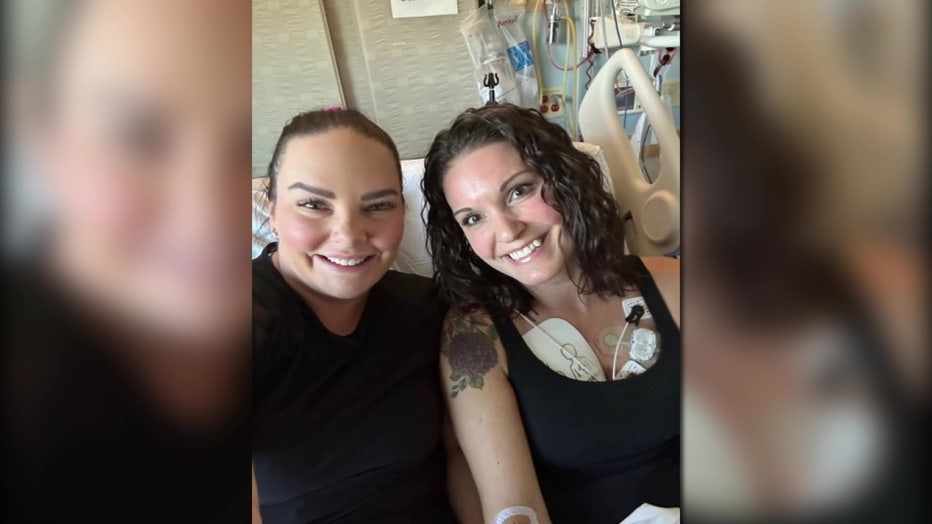
Charisa said, "To me, the hidden gem in all of it is that, A, I survived. That’s pretty special. And B, my family is able to get some answers that they maybe otherwise wouldn’t have had, and hopefully and potentially avoid having a situation like I had."
Editor's note: This story has been updated to clarify how the "Zio" patch works.
MORE NEWS FROM FOX 13 SEATTLE
How to watch Seattle Mariners games in 2026 after ROOT sports shuts down
Family of slain Idaho student Kaylee Goncalves sues Washington State University
Providence Swedish announces layoffs for nearly 300 staff in Seattle area
Suspect arrested in connection with deadly drive-by shooting in Lacey, WA
Seattle Mariners to celebrate 50 seasons in 2026 with yearlong events, fan tributes
No, Mount Rainier isn’t about to erupt. Seattle scientists debunk rumors
To get the best local news, weather and sports in Seattle for free, sign up for the daily FOX Seattle Newsletter.
Download the free FOX LOCAL app for mobile in the Apple App Store or Google Play Store for live Seattle news, top stories, weather updates and more local and national news.
The Source: Information in this story came from Virginia Mason Franciscan Health and original FOX 13 Seattle reporting and interviews.