


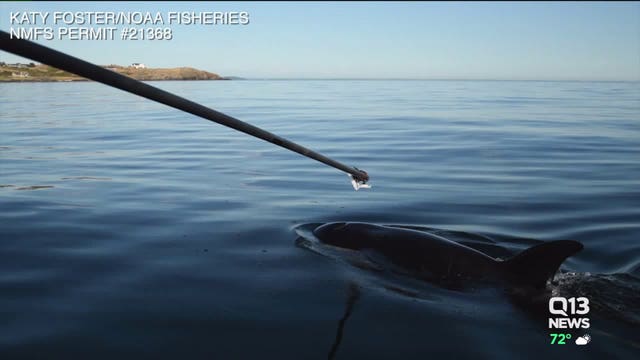

Feds weigh emergency plan to feed emaciated orca J50 at sea if needed to try to save its life
The federal government is assessing the health of the emaciated southern resident orca J50 and evaluating whether it should try an emergency plan to feed the killer whale live Chinook salmon dosed with medicine at sea, a NOAA official said Thursday night.
The federal government is assessing the health of the emaciated southern resident orca J50 and evaluating whether it should try an emergency plan to feed the killer whale live Chinook salmon dosed with medicine at sea, a NOAA official said Thursday night.
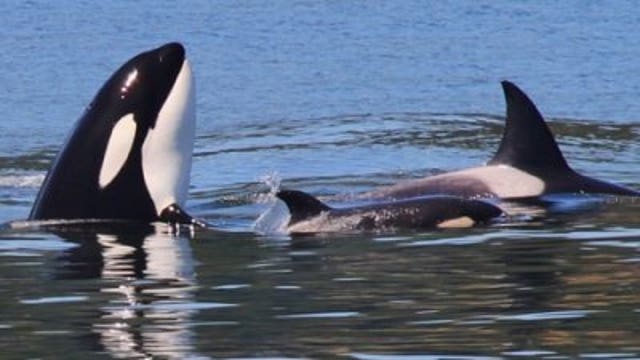

Researchers hope case of grieving orca mother will push people to help save species
SEATTLE -- Whale researchers hope more people will focus on trying save the endangered southern resident killer whales after all the attention generated by the heartbreaking case of a grieving mother orca carrying her dead calf for more than a week.Thursday marked the 10th day the orca whale J35, known as Tahlequah, has been seen by researchers carrying the body of her dead calf.“It’s heartbreaking, it’s really hard for us to watch,” said Lynne Barre, the recovery coordinator for endangered southern resident killer whales for NOAA Fisheries.She’s worked with these animals for 15 years and says what is happening with Tahlequah is something she has never seen.“Moms carry those animals around for a little bit, but this is the longest I’m aware of for southern residents,” said Barre.Hundreds of people have commented on Q13 News’ Facebook page about how heartbreaking it is to watch this mother whale swimming through the water as she holds up her dead calf.“In this case we’re seeing it every day, and we’re seeing real quantifiable grief and it’s traumatic,” said Michael Harris, the former executive director of the Pacific Whale Watch Association.He says he’s spent years getting to know these whale pods and he says they are disappearing from our waters.“We are orca country.
SEATTLE -- Whale researchers hope more people will focus on trying save the endangered southern resident killer whales after all the attention generated by the heartbreaking case of a grieving mother orca carrying her dead calf for more than a week.Thursday marked the 10th day the orca whale J35, known as Tahlequah, has been seen by researchers carrying the body of her dead calf.“It’s heartbreaking, it’s really hard for us to watch,” said Lynne Barre, the recovery coordinator for endangered southern resident killer whales for NOAA Fisheries.She’s worked with these animals for 15 years and says what is happening with Tahlequah is something she has never seen.“Moms carry those animals around for a little bit, but this is the longest I’m aware of for southern residents,” said Barre.Hundreds of people have commented on Q13 News’ Facebook page about how heartbreaking it is to watch this mother whale swimming through the water as she holds up her dead calf.“In this case we’re seeing it every day, and we’re seeing real quantifiable grief and it’s traumatic,” said Michael Harris, the former executive director of the Pacific Whale Watch Association.He says he’s spent years getting to know these whale pods and he says they are disappearing from our waters.“We are orca country.
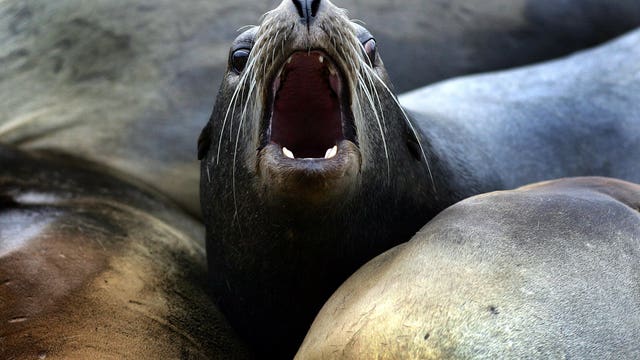

Bill allowing more sea lions to be killed clears key hurdle
A bill that would make it easier to kill sea lions that gobble endangered salmon in the Columbia River has cleared a key committee in the U.S. Senate.
A bill that would make it easier to kill sea lions that gobble endangered salmon in the Columbia River has cleared a key committee in the U.S. Senate.
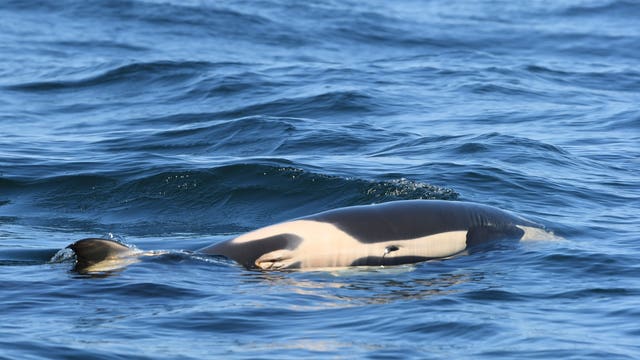

Grieving mother orca carries dead calf for seventh straight day
A female southern resident orca carried its dead calf on its head for the seventh straight day, in an apparent sign of grieving.
A female southern resident orca carried its dead calf on its head for the seventh straight day, in an apparent sign of grieving.

'Pathogens' found in starving orca's fecal samples; no update on dead calf
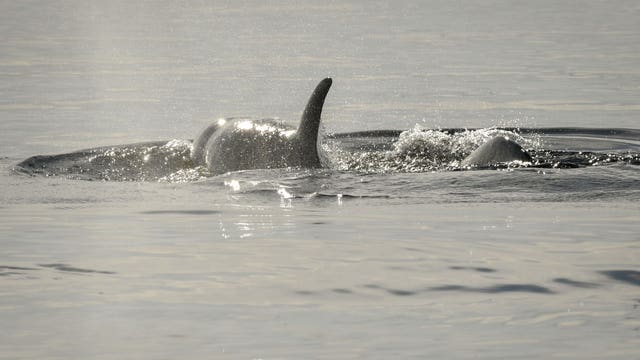
Microorganisms that can cause disease have been found in the fecal samples of a starving 4-year-old southern resident orca, raising the possibility that the struggling mammal may be diseased as well as malnourished.
Microorganisms that can cause disease have been found in the fecal samples of a starving 4-year-old southern resident orca, raising the possibility that the struggling mammal may be diseased as well as malnourished.

Southern resident orca mom desperately pushes dead calf; another 'severely emaciated'
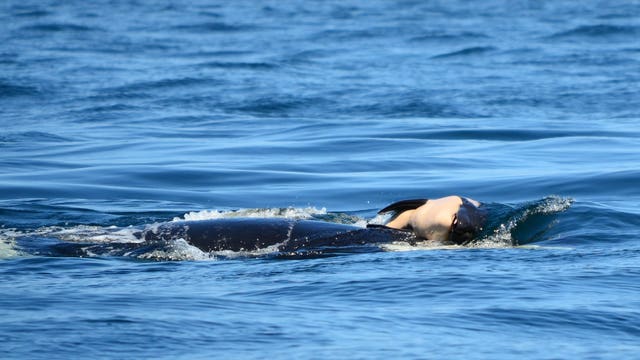
Heartbreaking photos of a southern resident orca trying to urge its dead newborn calf to swim have shined an ever-brightening light on the plight of the species.
Heartbreaking photos of a southern resident orca trying to urge its dead newborn calf to swim have shined an ever-brightening light on the plight of the species.

The last generation of southern resident killer whales?
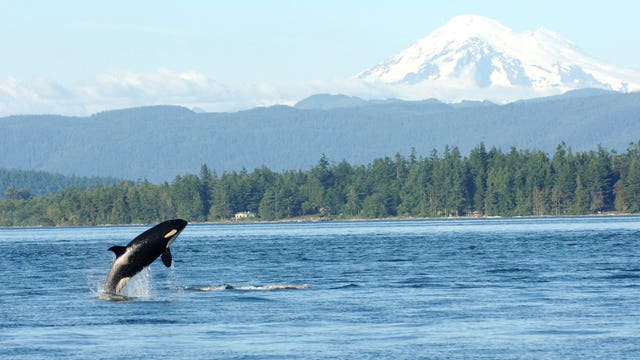
SAN JUAN ISLAND, Wash. -- "If we want to keep them around, we’ve gotta do something fast," said Ken Balcomb, a leading researcher on the southern resident killer whales.It’s a warning we’ve heard before."We are in critical danger of losing these orcas all together," Balcomb had told Q13 News five years ago when it put a spotlight on this 'Species on the Brink' of extinction."Could it happen?
SAN JUAN ISLAND, Wash. -- "If we want to keep them around, we’ve gotta do something fast," said Ken Balcomb, a leading researcher on the southern resident killer whales.It’s a warning we’ve heard before."We are in critical danger of losing these orcas all together," Balcomb had told Q13 News five years ago when it put a spotlight on this 'Species on the Brink' of extinction."Could it happen?

Analysis finds our endangered orcas eat Chinook salmon from wide range of rivers
SEATTLE (AP) — A new analysis shows the endangered orcas that spend time in Washington state waters depend on Chinook salmon from a wide range of rivers in Puget Sound as well as along the West Coast.The Seattle Times reports that the whales eat Chinook salmon from rivers in Puget Sound, including urban rivers such as the Duwamish and Puyallup.
SEATTLE (AP) — A new analysis shows the endangered orcas that spend time in Washington state waters depend on Chinook salmon from a wide range of rivers in Puget Sound as well as along the West Coast.The Seattle Times reports that the whales eat Chinook salmon from rivers in Puget Sound, including urban rivers such as the Duwamish and Puyallup.

Bellingham fishing derby forced to evolve with increasing shortage of salmon
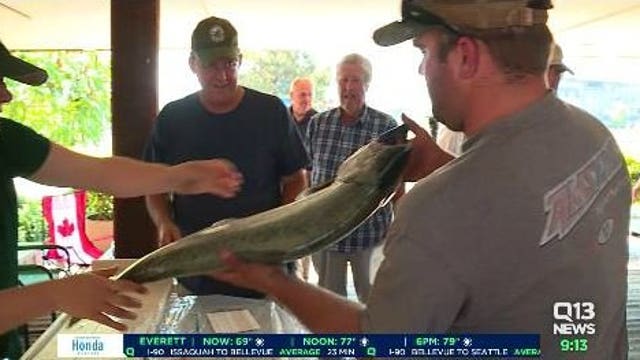
BELLINGHAM, Wash. -- Three days of derby all come down to this -- the weigh in.Empty trailers sat ready and waiting in a packed parking lot at Squalicum Harbor Marina for hundreds of boaters to return Sunday after three days of fishing.Crab season officially opened up this weekend and anglers -- marked by green flags -- docked in Bellingham Bay to deliver their most prized possession, hoping to weigh in the catch of the derby.Salmon season officially opened July 1.“I've been doing it now for ten, twelve years,” said Kevin Walters, a fisherman from Lynden who drove down for the event. “It’s just a yearly fun opener to summer salmon.”But as the years have gone by something has changed.“The catch counts have gotten smaller.
BELLINGHAM, Wash. -- Three days of derby all come down to this -- the weigh in.Empty trailers sat ready and waiting in a packed parking lot at Squalicum Harbor Marina for hundreds of boaters to return Sunday after three days of fishing.Crab season officially opened up this weekend and anglers -- marked by green flags -- docked in Bellingham Bay to deliver their most prized possession, hoping to weigh in the catch of the derby.Salmon season officially opened July 1.“I've been doing it now for ten, twelve years,” said Kevin Walters, a fisherman from Lynden who drove down for the event. “It’s just a yearly fun opener to summer salmon.”But as the years have gone by something has changed.“The catch counts have gotten smaller.

Bellingham wins national award for re-routing salmon back to Squalicum Creek
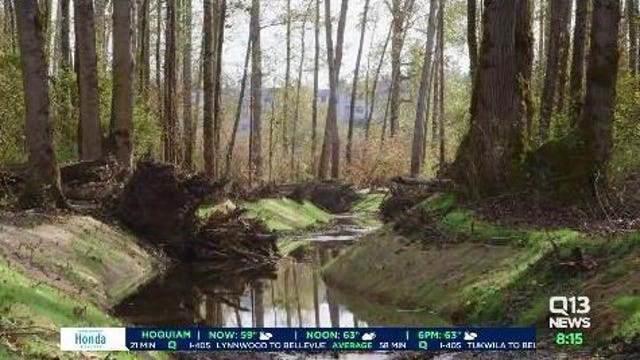
BELLINGHAM, Wash. -- From the busy bees to he rabbits along the shoreline, Squalicum Creek already draws a lot of visitors.
BELLINGHAM, Wash. -- From the busy bees to he rabbits along the shoreline, Squalicum Creek already draws a lot of visitors.

Washington farmers say harbor seals to blame for salmon struggles
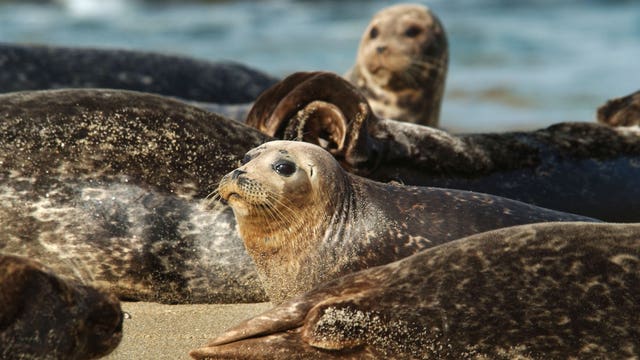
MONROE, Wash. -- The Northwest’s Chinook salmon is in jeopardy.
MONROE, Wash. -- The Northwest’s Chinook salmon is in jeopardy.

US House approves bill that would allow the killing of sea lions
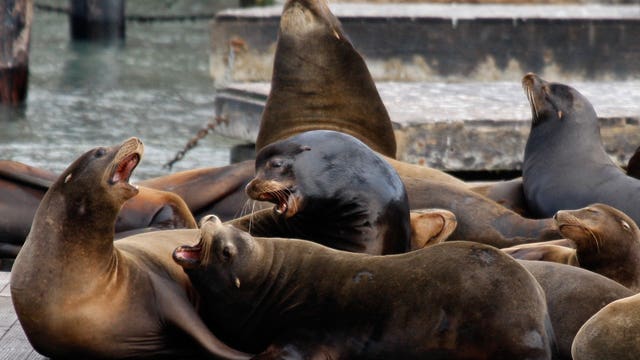
The U.S. House of Representatives approved a bill Tuesday that would allow the lethal removal of sea lions in order to save endangered salmon and steelhead populations -- the primary food source for the endangered Southern Resident orcas.
The U.S. House of Representatives approved a bill Tuesday that would allow the lethal removal of sea lions in order to save endangered salmon and steelhead populations -- the primary food source for the endangered Southern Resident orcas.

1 dead whale, 1 sick: Recent news makes task force's job more difficult
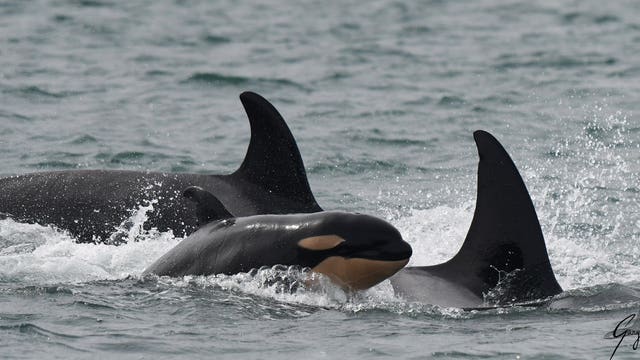
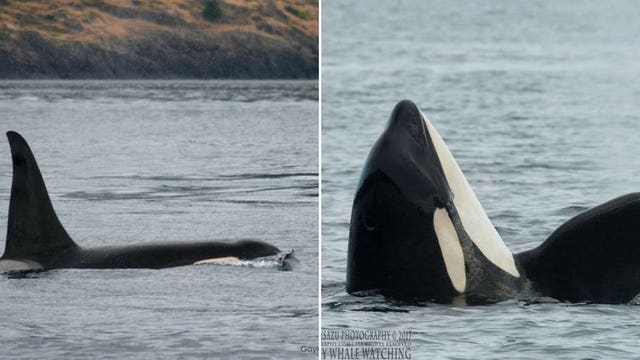
SEATTLE -- This has been an unusually rough week for news related to the southern resident killer whales.On Friday, the Center for Whale Research reported that an orca known as L92 or "Crewser" was missing and likely dead.
SEATTLE -- This has been an unusually rough week for news related to the southern resident killer whales.On Friday, the Center for Whale Research reported that an orca known as L92 or "Crewser" was missing and likely dead.

Researchers say Puget Sound orca missing and presumed dead
Researchers say an adult male orca is missing and presumed dead as resident killer whales struggle with a dearth of salmon in the Salish Sea.
Researchers say an adult male orca is missing and presumed dead as resident killer whales struggle with a dearth of salmon in the Salish Sea.

Conservation group threatens lawsuit over habitat protection for orcas
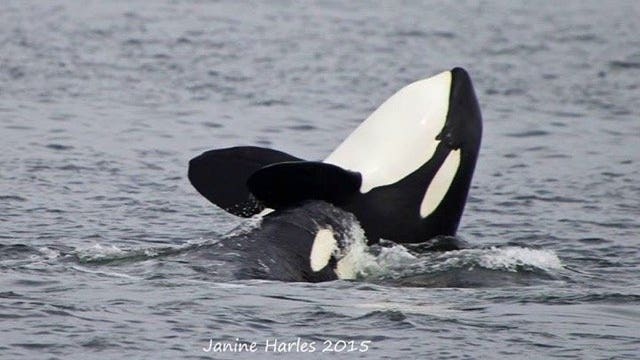
SEATTLE (AP) — A conservation group wants the federal government to move forward with protecting offshore areas along the U.S. West Coast to help endangered killer whales.The Center for Biological Diversity told the National Marine Fisheries Service on Wednesday that it plans to take legal action if the agency keeps delaying a designation for offshore habitat where the Puget Sound orcas would be protected.The fish-eating whales typically spend summers in inland waters of Washington state and winters foraging along the coast.
SEATTLE (AP) — A conservation group wants the federal government to move forward with protecting offshore areas along the U.S. West Coast to help endangered killer whales.The Center for Biological Diversity told the National Marine Fisheries Service on Wednesday that it plans to take legal action if the agency keeps delaying a designation for offshore habitat where the Puget Sound orcas would be protected.The fish-eating whales typically spend summers in inland waters of Washington state and winters foraging along the coast.

Puget Sound anglers impacted, buyers forced to outsource by decreasing salmon population
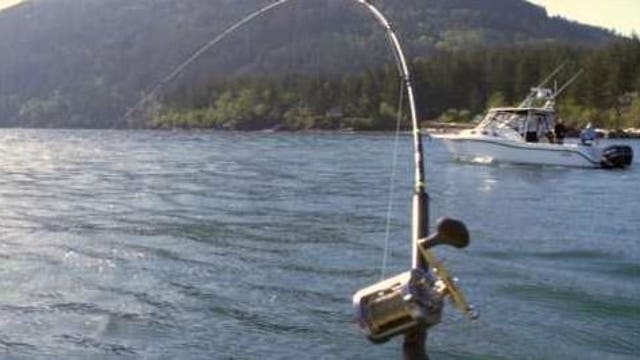
The Puget Sound is home to more than 200 fish species. However, none are likely more iconic than the salmon is to the Seattle area.
The Puget Sound is home to more than 200 fish species. However, none are likely more iconic than the salmon is to the Seattle area.
Noise pollution underwater a big concern in effort to save Puget Sound orcas
SEATTLE -- When it comes to saving our southern resident killer whales, there's three basic factors the Governor's Orca Task Force is looking at.
SEATTLE -- When it comes to saving our southern resident killer whales, there's three basic factors the Governor's Orca Task Force is looking at.

New flag meant to protect endangered Southern Resident orcas
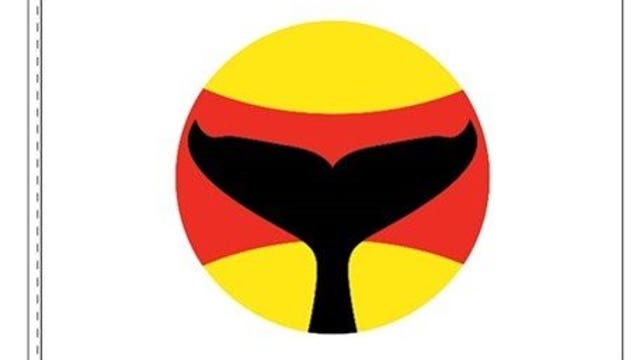
FRIDAY HARBOR, Wash. -- Boaters enjoying Memorial Day Weekend should keep their eyes peeled for something new in the Puget Sound.A "whale warning flag" will be flown by boats and select land stations along the west side of San Juan Island as part of a new way to let boaters know whales are in the area, and to pay attention.According to the National Oceanic and Atmospheric Administration, the flags are part of new San Juan County initiatives to increase protection of endangered Southern Resident orcas."The flag warns everyone on the water - boaters, kayakers, and paddlers - that whales are close by so they can adjust their behavior to comply with Be Whale Wise guidelines," officials at NOAA said.Studies have shown that boat noise impacts Southern Resident orcas trying to eat, and whale advocates hope the flag will get people to be more cautious.The flag is just one of more stringent guidelines meant to protect the orca.
FRIDAY HARBOR, Wash. -- Boaters enjoying Memorial Day Weekend should keep their eyes peeled for something new in the Puget Sound.A "whale warning flag" will be flown by boats and select land stations along the west side of San Juan Island as part of a new way to let boaters know whales are in the area, and to pay attention.According to the National Oceanic and Atmospheric Administration, the flags are part of new San Juan County initiatives to increase protection of endangered Southern Resident orcas."The flag warns everyone on the water - boaters, kayakers, and paddlers - that whales are close by so they can adjust their behavior to comply with Be Whale Wise guidelines," officials at NOAA said.Studies have shown that boat noise impacts Southern Resident orcas trying to eat, and whale advocates hope the flag will get people to be more cautious.The flag is just one of more stringent guidelines meant to protect the orca.


Rain gardens: Something everybody can do to tackle what seems like an impossible problem
SEATTLE, Wash. -- Friday was the final day for local non-profit Long Live the Kings’ “Survive the Sound” 12-day migration game, tracking salmon and steelhead on their journey through the Puget Sound.The game was created to raise funds and awareness about the problem.
SEATTLE, Wash. -- Friday was the final day for local non-profit Long Live the Kings’ “Survive the Sound” 12-day migration game, tracking salmon and steelhead on their journey through the Puget Sound.The game was created to raise funds and awareness about the problem.
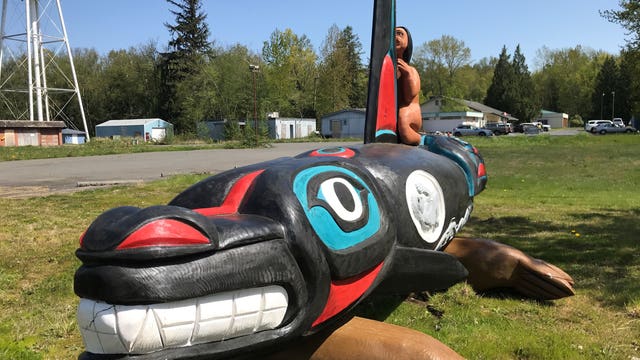

Lummi tribe begins cross-country campaign to free killer whale 'Tokitae'
WHATCOM COUNTY, Wash. -- Members of the Lummi Nation night began a 9,000-mile, 25-day journey to Miami Wednesday night, transporting a 16-foot killer whale totem pole with them.There will be events in several cities as part of its Salish Sea Campaign.
WHATCOM COUNTY, Wash. -- Members of the Lummi Nation night began a 9,000-mile, 25-day journey to Miami Wednesday night, transporting a 16-foot killer whale totem pole with them.There will be events in several cities as part of its Salish Sea Campaign.