

WSDA: Invasive, destructive beetle detected in Vancouver, WA
Invasive, destructive beetle detected in Vancouver, WA
One of the most destructive forest pests in North America has made its way to Washington.
VANCOUVER - One of the most destructive forest pests in North America has made its way to Washington.
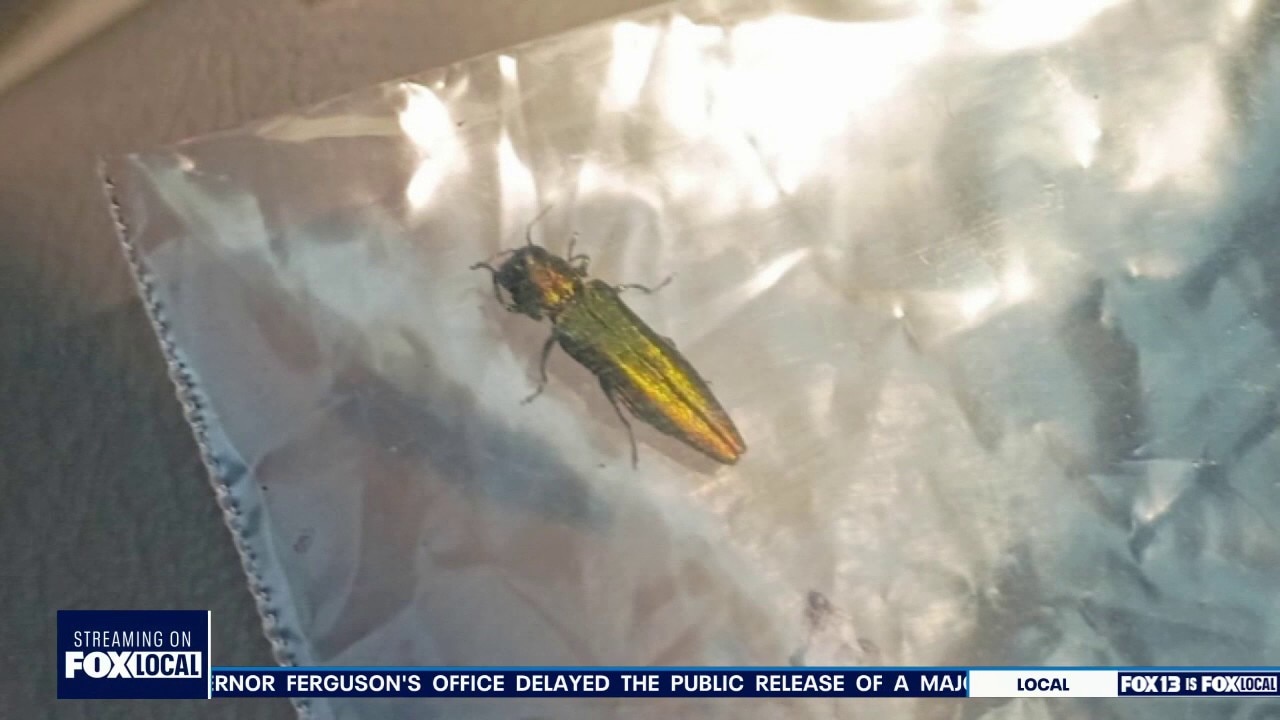
The Washington State Department of Agriculture (WSDA) and the United States Department of Agriculture Animal and Plant Health Inspection Service (USDA APHIS) confirmed there was an emerald ash borer—an invasive beetle—near Vancouver through a report by members of the public.
What is the emerald ash borer beetle?
The emerald ash borer is an invasive insect, notorious for its destruction of ash trees across North America. According to WSDA, the species has destroyed more than 100 million ash trees throughout the country after its initial detection in Michigan two decades ago.
These beetles are native to Asia and belong to the jewel beetle family, which contains over 15,500 species that are known for their bright metallic colors.
The Pacific Northwest only has one native ash tree, the Oregon ash, a tree vulnerable to destruction by these beetles.
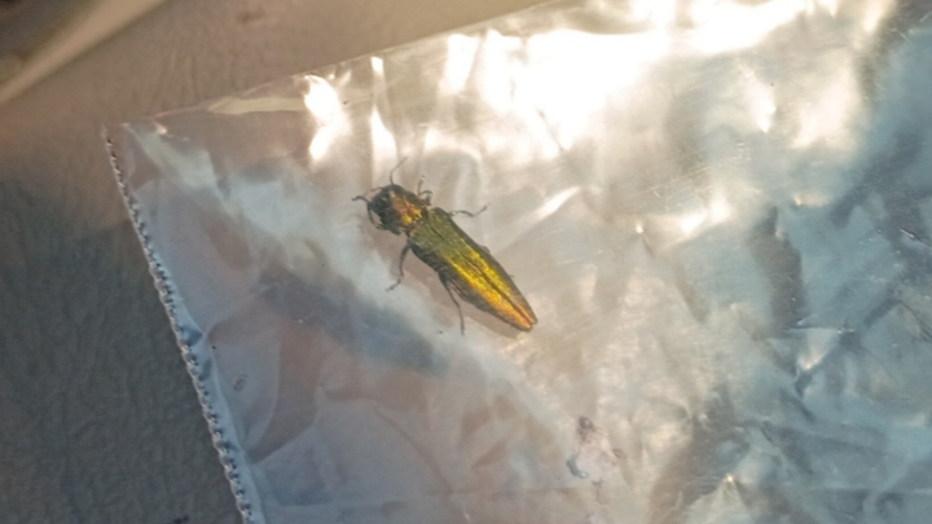
(Washington State Department of Agriculture (WSDA))
How was the beetle spotted?
Two citizens reported the invasive beetle on their windshield, collected it, then reported it to the Washington State Invasive Species Council (WISC). After the WISC received the report, they gave the beetle to WSDA, which then submitted it to the USDA.
How are outbreaks contained?
The WSDA said outbreak prevention is limited, aside from limiting the transportation of firewood, or removing and replacing the ash trees with those invulnerable to the bug.
The process of limiting firewood transportation or quarantining firewood, can limit the introduction and spread of invasive insects and diseases through making sure none are hiding in the logs. The WSDA put the firewood quarantine into effect on Aug. 18.
There has yet to be a successful effort to eradicate the emerald ash borer, according to the WSDA.
There has been extensive collaboration between organizations like the DNR Urban and Community Forestry Program, WSDA, WISC and one of WSU's extensions has worked to publish an urban forest pest readiness playbook for our state, along with a WA emerald ash borer resource and management guide.
These resources can be found here.
Can the destruction of ash trees contribute to wildfires?
Ash trees are important to the environment for a number of reasons, from animal habitats to providing canopy for other plants in their habitats to carbon regulation in the soil.
According to research from Cornell University, these trees provide food and space for different birds and animals. When trees' livelihoods are compromised by species like the emerald ash borer, it can negatively affect the wellbeing of the environment.
Dig deeper:
In a study by the editors of Britannica, the loss of these trees by the invasive species results in dead trees, which further leads to the risk of wildfires due to the dry material that is left after the beetles eat the trees.
How can the public minimize the outbreak?
The WSDA is urging WA residents to be vigilant, reporting sightings to WISC through their website, the WA Invasive app or emailing screenshots or links.
If you see one and catch one, the WSDA advises you to preserve it in a plastic bag and freeze it, or place it in a vial with ethanol or isopropyl alcohol, including your name and when/where the insect was sighted. They prefer GPS coordinates.
MORE NEWS FROM FOX 13 SEATTLE
Renton, WA Flock cameras on hold as city plans virtual town hall
A Pioneer Square staple shutters after 49 years
Hearing date set for recall petition against Seattle Mayor Katie Wilson
Seattle tech job cuts continue as TikTok lays off 75 in Bellevue
WA man dies at Bass Canyon from suspected drug poisoning
Here's where fires in Washington state are burning
Washington State Fair braces for massive 19-show fair lineup
To get the best local news, weather and sports in Seattle for free, sign up for the daily FOX Seattle Newsletter.
Download the free FOX LOCAL app for mobile in the Apple App Store or Google Play Store for live Seattle news, top stories, weather updates and more local and national news.
The Source: Information in this story came from the Washington State Department of Agriculture, Cornell University's botanical gardens study and Britannica.