

Does wildfire smoke make people sick?
Spokane wildfire smoke safety
Dr. Patricia Egwuatu joins Good Day Seattle to talk about health and safety with wildfire smoke.
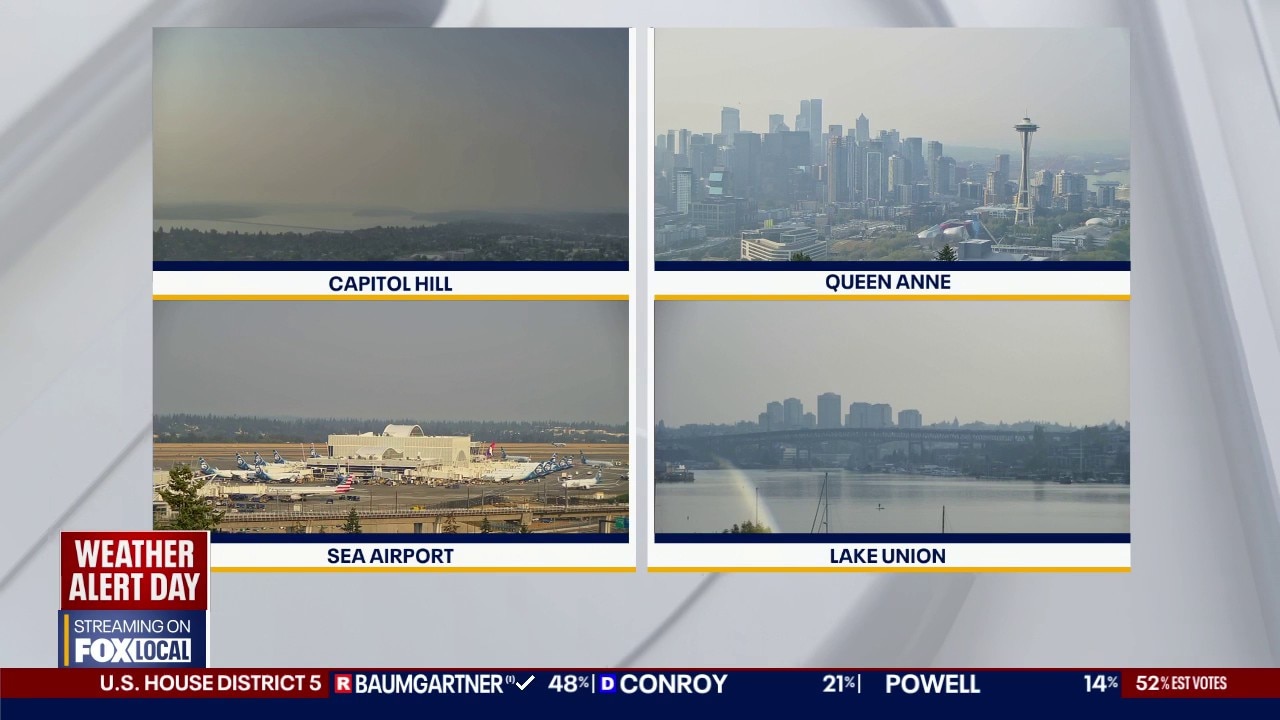
SEATTLE - Wildfire smoke from the fires in Spokane is making its way across the state, leaving people wondering whether it can make them sick.
As toxic haze from regional wildfires continues to blanket the area, health experts warn that inhaling wildfire smoke does more than just sting your eyes—it can pose risks to your lungs and heart, even for healthy individuals.
Why is wildfire smoke dangerous?
Wildfire smoke travels far from its source, in this case from Eastern Washington across the region, carrying tiny toxic particles that make their way into the body. Inhaling these fine particles can lead to throat swelling, inflammation, chest tightness and difficulty breathing.
In an interview on Good Day Seattle with Dr. Patricia Egwuatu, Chief Meteorologist Brian MacMillan asks whether the comparison of smoking cigarettes to wildfire smoke inhalation. She said it actually does provide a reasonable comparison.
The common claim is that spending two hours in heavy wildfire smoke is equivalent to smoking several cigarettes and is comparable, especially in areas experiencing severe AQI spikes.
What do symptoms look like?
According to the CDC website, breathing in smoke can affect people immediately, potentially causing:
- Coughing
- Trouble breathing
- Wheezing
- Asthma attacks
- Stinging eyes
- Scratchy throat
- Runny nose
- Irritated sinuses
- Headaches
- Tiredness
- Chest pain
- Fast heartbeat
What are the warning signs and when to seek care?
Common mild-to-moderate symptoms include headaches, throat irritation, chest tightness, and sudden breathing discomfort.
If symptoms worsen beyond what is normal for you, seek urgent medical care. People with pre-existing conditions, like asthma, should use their prescribed inhalers and check in with their doctor.
Who has an increased risk?
High-risk individuals who need to exercise extra caution include:
- People with respiratory conditions (asthma, COPD, emphysema)
- People with heart or kidney disease
- Seniors (aged 65+) and children
- Pregnant individuals
- Outdoor workers
How can people protect themselves?
What you can do:
When going outside in wildfire smoke, wearing an N95 mask is recommended, considering it filters out the fine toxic particles.
When indoors, keeping windows closed and using air purifiers or air conditioners can be helpful.
When driving in a vehicle, driving with the windows up and setting the car's air conditioner to recirculate internal air is essential.
The Source: Information in this story came from the CDC and a FOX 13 Seattle interview with Dr. Patricia Egwuatu from Kaiser Permanente.
MORE NEWS FROM FOX 13 SEATTLE
WA, 24 other states sue Trump admin over latest round of tariffs
Spokane wildfires forces 60,000 to evacuate
WA gets first 'Particularly Dangerous Situation' designation for wildfire threat
Here's where fires in Washington state are burning
Seattle's major venues, organizations advocate for mayor to reactivate city's CCTV cameras
Sound Transit aims to begin Ballard Light Rail service in 2042
Seattle mayor slams former Chief Barnes over search for successor
To get the best local news, weather and sports in Seattle for free, sign up for the daily FOX Seattle Newsletter.
Download the free FOX LOCAL app for mobile in the Apple App Store or Google Play Store for live Seattle news, top stories, weather updates and more local and national news.