

Seattle mayor pauses expansion of city surveillance cameras
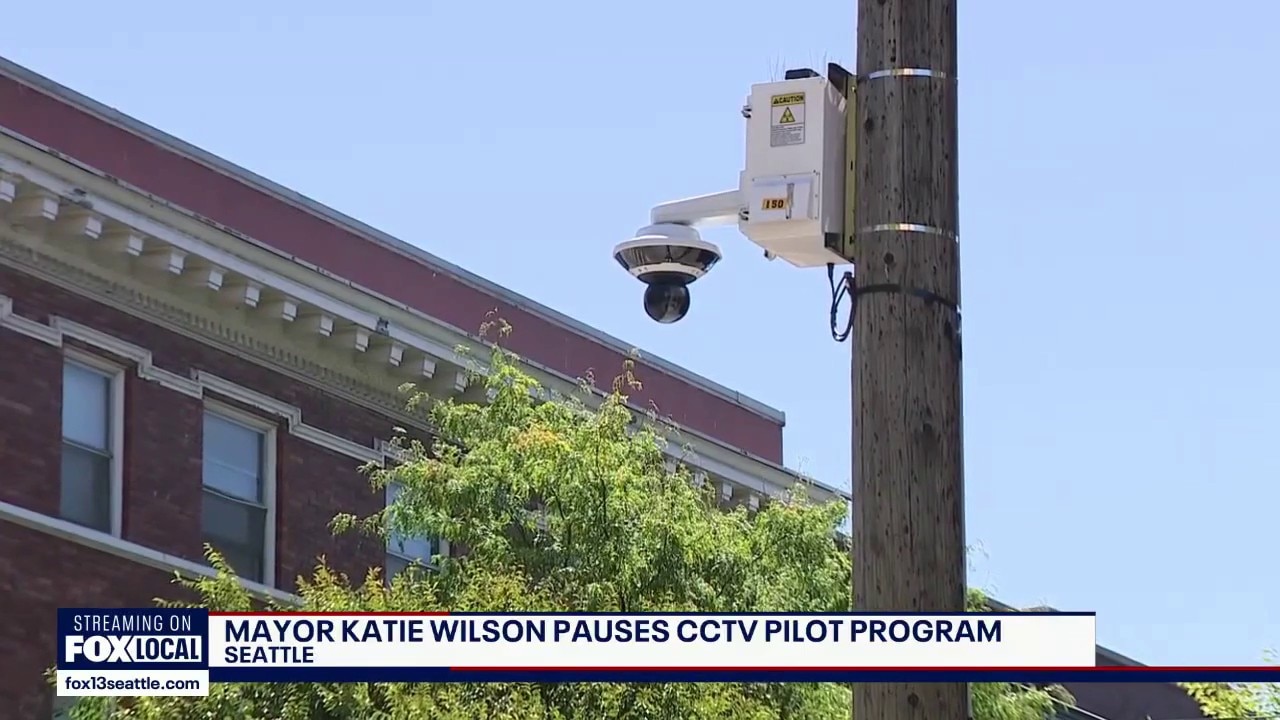
Seattle mayor pauses expansion of police surveillance cameras
Seattle Mayor Katie Wilson has halted expansion of the city’s CCTV camera program and suspended use of automatic license plate readers pending a privacy and data review. Existing cameras will remain active, while new installations in the stadium district will only be used if a credible threat emerges.
SEATTLE, Wash. - Seattle Mayor Katie Wilson announced she is pausing the expansion of Seattle’s police surveillance camera program, framing her decision as a balancing act between public safety and civil liberties.
Speaking at a press conference Thursday, Wilson said the move halts growth of the city’s real-time crime center (RTCC) camera network until officials complete a comprehensive privacy and data governance audit.
"This is a decision about more than cameras," Wilson said. "It’s about how we approach public safety, how we build trust, and how we show up for communities across the city."
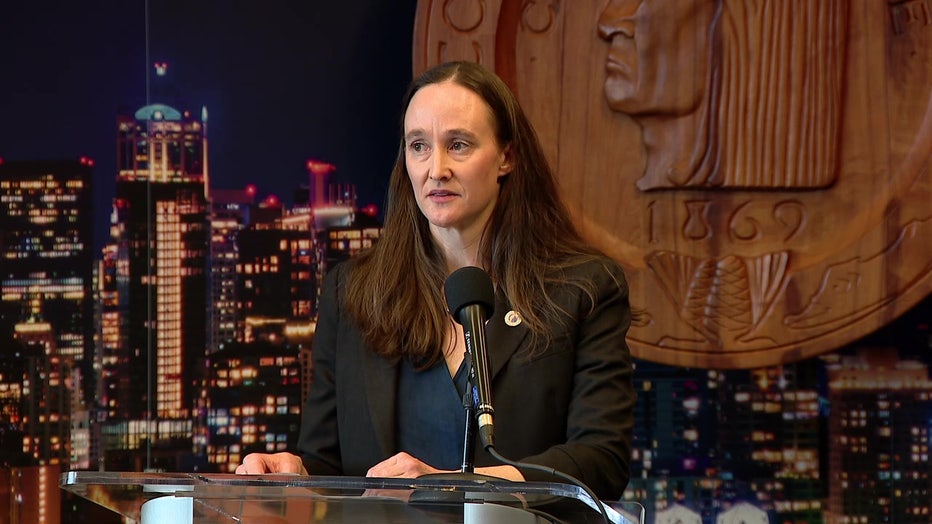
Katie Wilson announces pause on Seattle police's CCTV system at a press conference on Thursday, March 19. (FOX 13 Seattle)
The city currently operates 62 police CCTV cameras across downtown, Aurora Avenue North and the Chinatown-International District. Those cameras will remain active.
But plans to expand into additional neighborhoods — including Capitol Hill, the Central District near Garfield High School and the stadium area — are now on hold.
Wilson also announced several immediate changes:
- Expansion paused: No new cameras will be activated until an audit is completed and policies are strengthened
- License plate readers halted: The city is temporarily stopping use of automatic license plate readers (ALPRs) while reviewing new state restrictions.
- One camera shut off: A camera near a reproductive and gender-affirming care facility has been turned off over privacy concerns.
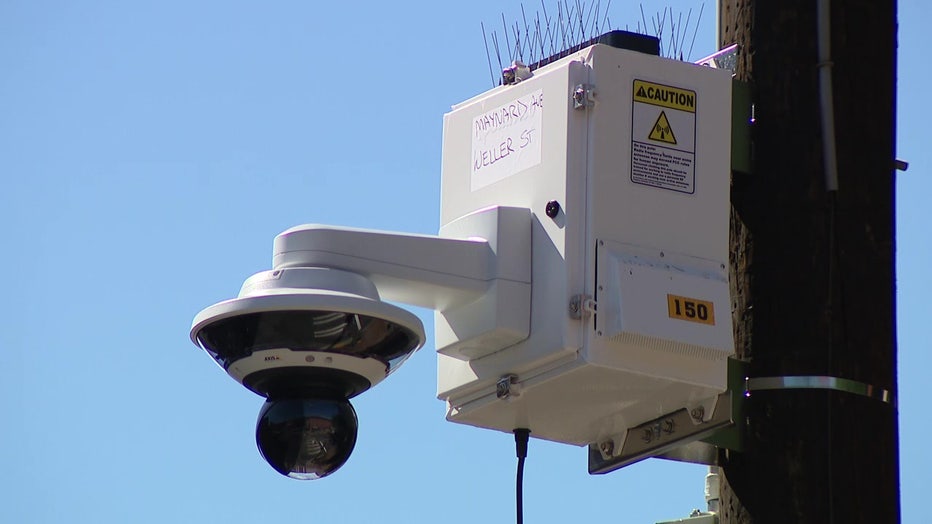
A CCTV camera in Seattle's Chinatown-International District. (FOX 13 Seattle)
World Cup exception
One exception to the pause involves the stadium district ahead of the upcoming FIFA World Cup 2026.
More than two dozen cameras will be installed in that area this spring — but they will remain off unless officials identify a credible security threat.
"They will not be turned on…unless we are aware of a credible threat," Wilson said She adds, the cameras would be shut off again once any threat passes.
What they're saying:
Wilson acknowledged the surveillance program has sharply divided residents.
"For some people, seeing CCTV cameras makes them feel safer. For others, those same cameras make them feel less safe," Wilson said.
She emphasized that the decision must be based on evidence, not just perception.
"It’s important to base a decision on more than feelings," Wilson said. "It's important to ground our actions in a thorough understanding of how the cameras are being used, of the public benefits they are providing, and of any harm they are causing or could cause."
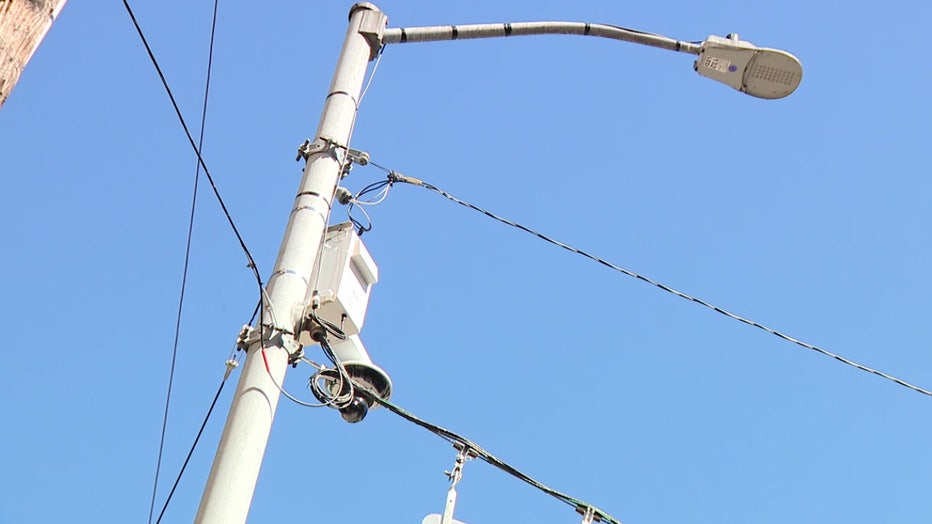
A CCTV camera pictured in Seattle.
While police say cameras have helped solve crimes, Wilson noted there is limited evidence they prevent crime in the first place.
"I haven’t seen any evidence that they deter or prevent crime," Wilson said. "They’re helpful in solving it."
A formal evaluation led by the University of Pennsylvania and overseen by Seattle’s Office of the Inspector General is underway to better measure the system’s impact on crime and policing outcomes.
Dig deeper:
A major factor in the decision is concern about how surveillance data is stored and who can access it.
Wilson pointed to risks that footage — especially when stored on third-party servers — could be vulnerable to misuse or federal subpoenas. She also cited heightened anxiety among immigrant communities and others concerned about federal enforcement.
Although Seattle police policy restricts sharing data with federal immigration authorities without a court order, Wilson said stronger safeguards are needed.
"We need to make sure that a similar data leak cannot happen here in Seattle," Wilson said.
Featured
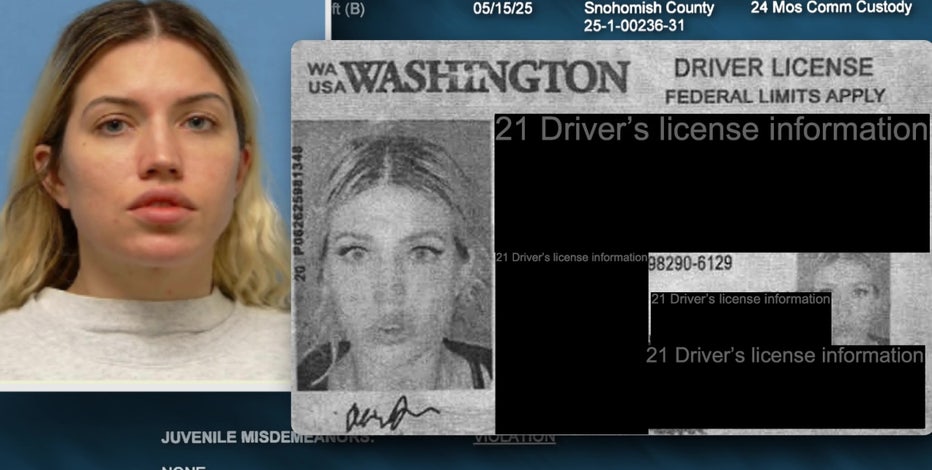
Snohomish, WA woman says DOL failure led to ID theft
What would you do if someone stole your identity and bought a Jaguar? A Snohomish woman says it happened to her, after a Washington DOL "backdoor" allowed a thief to pull this off.
Wilson framed the issue as part of a larger societal question about surveillance.
"Do you want to live in a society where there’s cameras in every corner?" Wilson asked.
She argued while cameras can be useful tools, they are only a small part of broader public safety efforts, which also include police staffing, gun violence prevention and addressing homelessness and substance use.
What's next:
The privacy audit is expected to take several months. Wilson said afterwards the city will decide whether to move forward with expansion — and under what conditions.
In the meantime, she is calling for more public input and will host a town hall to gather community feedback.
"I know some people will be upset that I am not turning off all the cameras …and others will be upset that I am not charging ahead," Wilson said. "But we need to take the time to get this right."
Until then, the future of Seattle’s surveillance program remains uncertain.
MORE NEWS FROM FOX 13 SEATTLE
Teen suspect in Rainier Beach High School double homicide held in custody
Washington tax concerns surface as NBA weighs Sonics comeback
Police seek WA woman accused of felony stalking, cyber harassment
Former UW football player Dan Milsten battling cancer
Alysa Liu, US gold medal figure skaters coming to Seattle for Stars on Ice
To get the best local news, weather and sports in Seattle for free, sign up for the daily FOX Seattle Newsletter.
Download the free FOX LOCAL app for mobile in the Apple App Store or Google Play Store for live Seattle news, top stories, weather updates and more local and national news.
The Source: Information in this story came from the Office of Seattle Mayor Katie Wilson and previous FOX 13 Seattle reporting.