

Seattle council debates surveillance, immigration bills ahead of World Cup
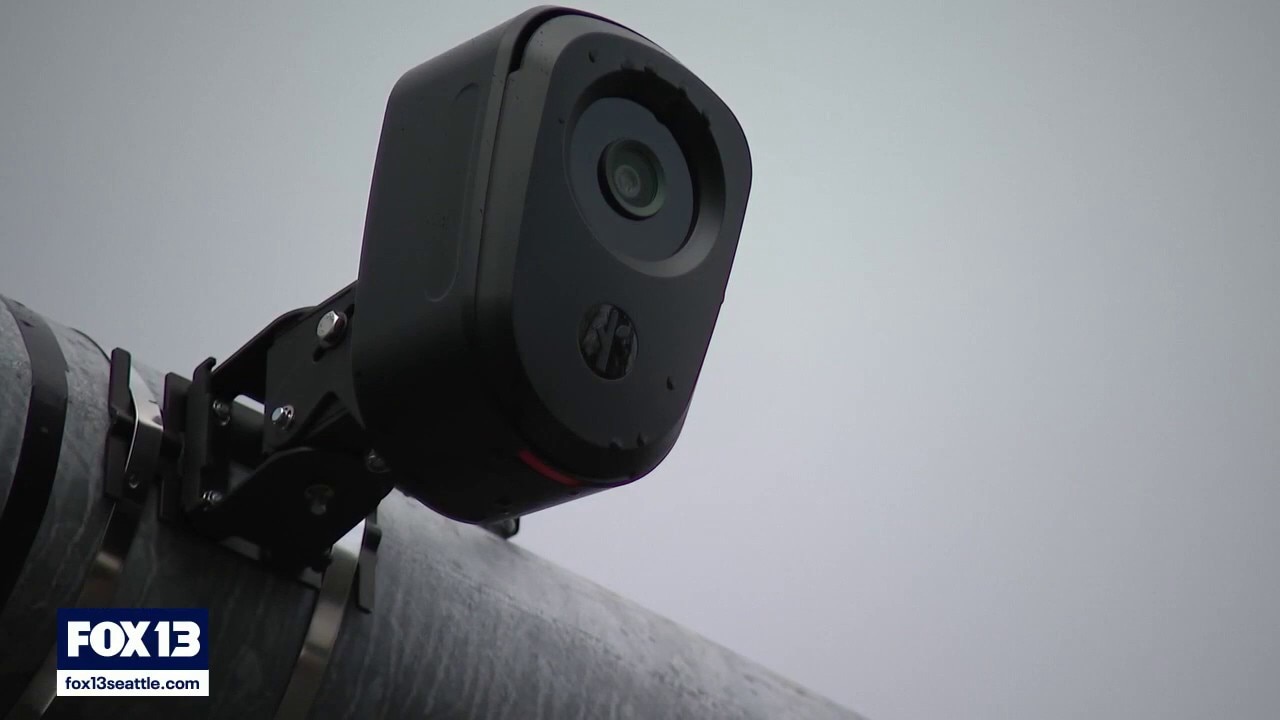
Seattle City Council moves forward with surveillance, immigration ordinances
The Seattle City Council plans to shut down license plate-reading cameras for 60 days, and limit when police can ask about someone's immigration status.
SEATTLE - Seattle City Council’s Public Safety Committee advanced two pieces of legislation tied to surveillance technology and immigration policy, while hearing sharply divided public testimony over the use of police cameras ahead of the FIFA World Cup.
Committee Chair Bob Kettle opened the March 24 meeting by defending the city’s existing surveillance review process and stressing the need to complete ongoing audits before the global tournament.
"The surveillance impact report process is very detailed, as was the legislative process over four bills for ALPR — automatic license plate reader — CCTV and the Real Time Crime Center," Kettle said. "Key to this audit is the fact that it needs to be complete by the FIFA World Cup."
Kettle also raised concerns about proposals to limit when surveillance systems are activated, questioning how officials define threats.
"My question regarding credible threat warnings is, how do you define a credible threat warning?" Kettle said. "It's not best practice to have the system and just have it turned off and, you know, say, ‘Hey, if we get a credible threat, we're just going to turn it on quickly.’"
He added that Seattle’s system does not include facial recognition, calling that "a purposeful choice."
Immigration policy update advances
Big picture view:
The committee unanimously approved a bill aligning Seattle law with the state’s Keep Washington Working Act, which limits when local law enforcement can inquire about immigration status.
The legislation updates the city’s long-standing "don’t ask" policy to match state requirements.
Councilmember Eddie Lin said the change supports both community trust and public safety.
"It not only protects our neighbors […] it encourages people who may be undocumented to feel comfortable with local law enforcement," Lin said. "So actually, not only is it protects for privacy, it also helps with public safety."
City staff told councilmembers the change is largely technical because current Seattle police policy already prohibits officers from asking about immigration status.
New rules proposed for surveillance pauses
The committee also advanced a second bill that would require a 60-day pause in data collection from surveillance systems — including automatic license plate readers (ALPR) and CCTV — under certain conditions.
The proposal, sponsored by Councilmember Alexis Mercedes Rinck, would trigger pauses if data is requested for civil immigration enforcement or cases involving reproductive or gender-affirming care.
"I know we all agree that we do not want data that is collected through ALPR to be used against our residents," Rinck said.
The bill also allows the mayor to temporarily restart data collection during a pause to gather evidence of potential crimes.
The legislation comes as Seattle reviews its ALPR program following a new state law that restricts how such data can be used and stored.
Public testimony highlights safety concerns
What they're saying:
Public comment reflected strong support for surveillance tools among several speakers, particularly from neighborhoods experiencing higher crime.
Former councilmember Tanya Woo said cameras have helped reassure elderly residents in the Chinatown-International District.
"We have seniors and community elders who appreciate and support what this public safety council is doing," Woo said. "It's great to hear from officers that, ‘Hey, we caught this shooting on CCTV, and we know who this person is.’"
Others warned that limiting surveillance could worsen safety conditions.
"We need these cameras all over the city, not just in my neighborhood, especially with the World Cup coming," Lawrence Evans, a District 7 resident told the committee.
Business leaders echoed those concerns, citing ongoing property crime and police staffing shortages.
"I want the program expanded, not contracted," Tom Graff, a member of the Belltown Business Association, said.
Councilmember Maritza Rivera said the debate reflects a broader challenge of balancing civil liberties with crime prevention.
"This is not a cut and dry issue," Rivera said. "It is important to recognize that the cameras are important."
She pointed to police data showing surveillance tools have helped solve serious crimes, including homicides.
Both bills now head to the full Seattle City Council for consideration.
Kettle emphasized the importance of collaboration moving forward.
"Let's work together," Kettle said. "We need to set up our public safety for success, and I think we have the chance to do that."
MORE NEWS FROM FOX 13 SEATTLE
Gov. Ferguson signs bill changing WA legal language away from 'alien'
More than 100 Kent, WA workers to be laid off by Rise Baking
WA AG joins lawsuit against OneMain Financial, alleging bait-and-switch scheme
Chateau Ste Michelle Summer 2026 concert lineup announced
Former WA resident says she was victim of alleged License Express flaw
FBI adds WA double-murder suspect Samuel Ramirez Jr. to Most Wanted List
Loved ones still reeling after deadly Key Peninsula, WA stabbings: ‘Never saw that coming from him’
To get the best local news, weather and sports in Seattle for free, sign up for the daily FOX Seattle Newsletter.
Download the free FOX LOCAL app for mobile in the Apple App Store or Google Play Store for live Seattle news, top stories, weather updates and more local and national news.
The Source: Information in this story comes from original reporting by FOX 13 Seattle reporter Alejandra Guzman.