

Who pays for AI? Seattle weighs a data center freeze
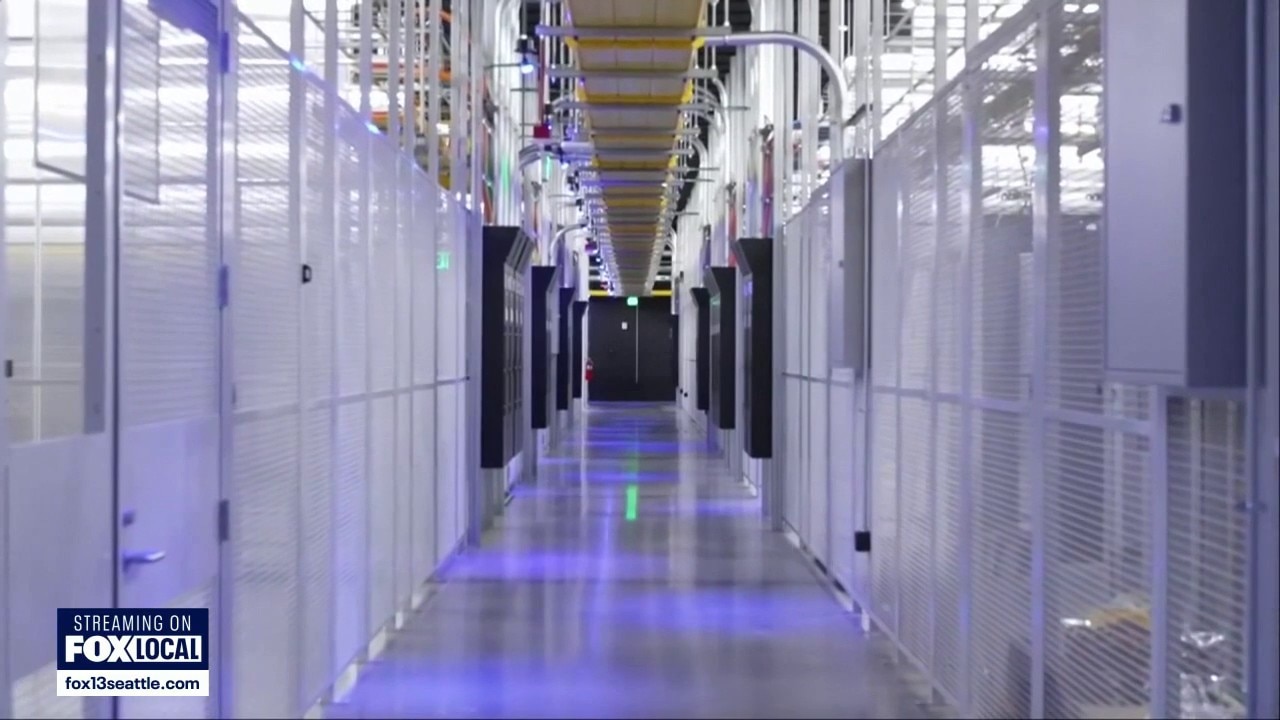
Seattle leaders weigh pause on new data centers
Seattle leaders are considering a 12-month pause on new large-scale data centers as concerns grow over how the artificial intelligence boom will impact energy costs for residents.
SEATTLE, Wash. - Seattle leaders are weighing a potential pause on new large-scale data centers as concerns grow over rising energy demand, environmental impact and whether residents can bear the cost.
While no new data centers have been approved in the city, officials say interest from developers — driven in part by the rapid expansion of artificial intelligence — is accelerating the conversation.
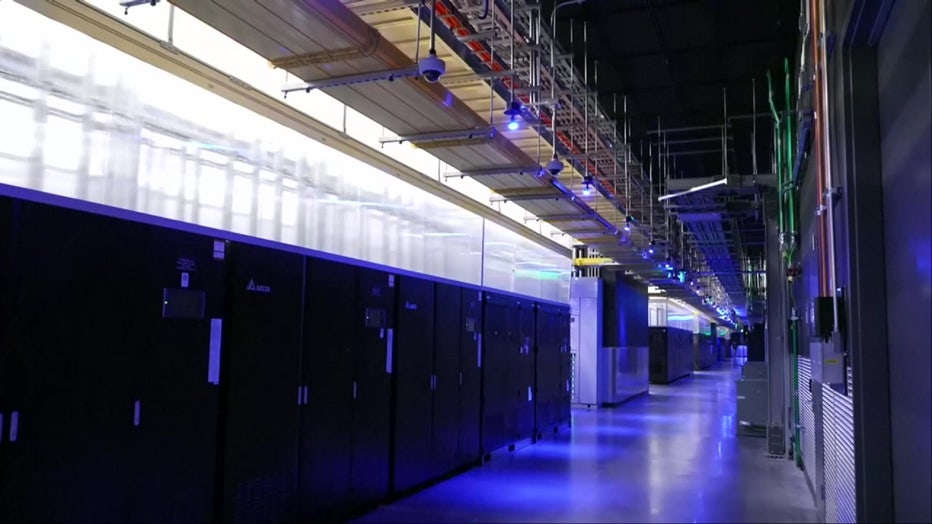
The interior of a large-scale data center.
What they're saying:
Mayor Katie Wilson said in a recent statement that Seattle has not authorized or permitted any new data centers. Still, she acknowledged growing public concern and said the city is exploring long-term policy options, including a possible moratorium.
Seattle City Light officials say several companies have explored potential sites, though none have formally committed or submitted service requests. At one point, utilities were studying multiple proposed sites that could collectively require hundreds of megawatts of power — a level of demand that could significantly impact the region’s electric grid.
Seattle councilmember pushes for pause
Seattle City Councilmember Eddie Lin said he began looking into the issue after reports that several large projects could dramatically increase energy demand.
"The AI boom is moving incredibly quickly," Lin said. "We just want to make sure that we have the appropriate sort of regulations and things in place."
Lin emphasized that no formal proposal has been introduced, but said he supports moving quickly on a temporary moratorium — typically lasting about 12 months — to allow time for analysis and rulemaking.
"The urgency is, obviously, there’s a lot of interest," he said.
The focus, he said, is not on smaller, existing facilities already operating in Seattle, but on a new generation of so-called "mega data centers" tied to AI growth.
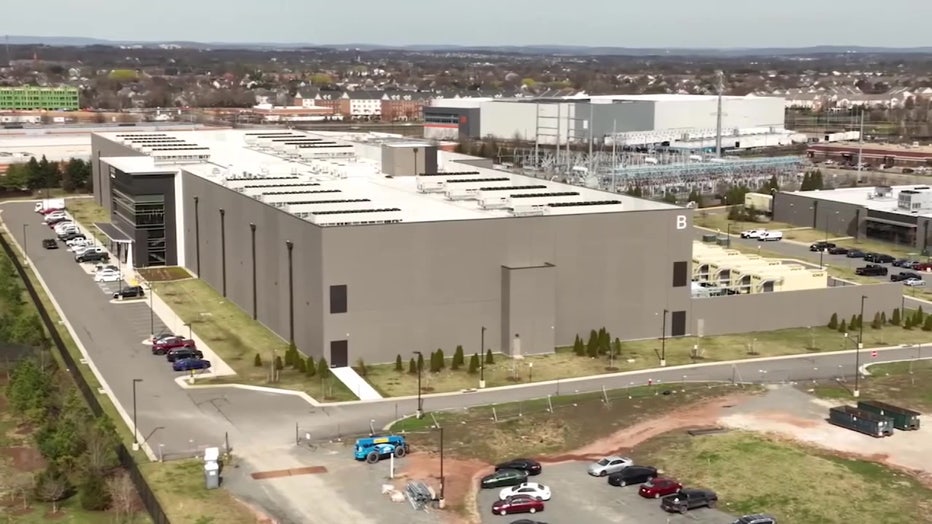
The exterior of a large-scale data center.
Concerns over cost and equity
A central question for city leaders is whether the cost of powering these facilities could be passed on to residents and businesses.
"Who’s really paying for these mega data centers?" Lin said. "We should not be subsidizing the private profits of this growing industry."
He went on to say rising demand could have ripple effects beyond Seattle.
"If there is a huge new demand, that’s going to drive up costs for everybody," Lin said.
Seattle City Light has said it is considering new policies to ensure equity and affordability for existing customers while evaluating how to serve large new energy users.
The other side:
Technology companies say data centers are essential infrastructure that support everyday life and economic growth.
"So Americans rely on data centers really, all day long, within their personal lives and at work," said Liz Schwab, a data center development manager for global infrastructure and energy at Google. "Our society really runs on data centers and AI is just a new aspect of the demand for digital services."
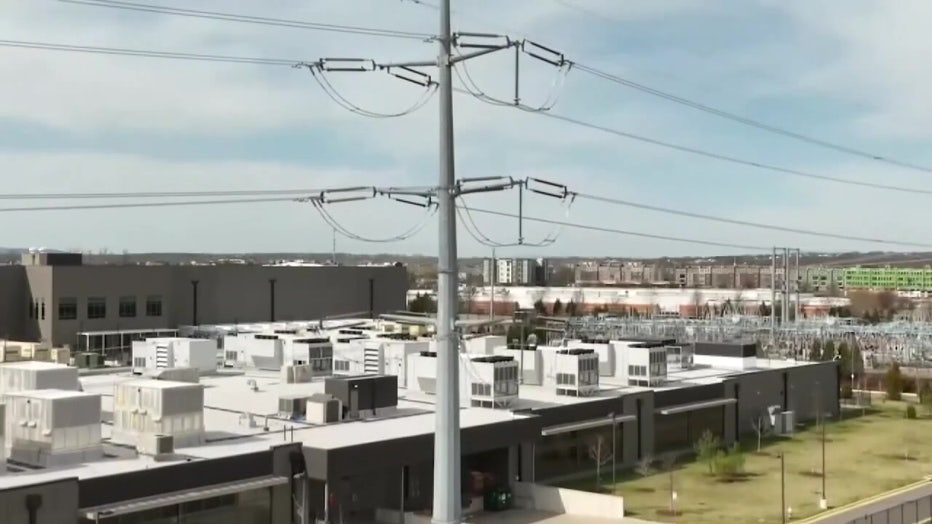
The exterior of a large-scale data center.
Schwab said data centers can bring economic benefits to communities.
"They bring hundreds of high quality, high-paying jobs…a significant construction workforce," she said.
Environmental impact and accountability
Dig deeper:
Environmental impact — particularly water and energy use — remains a key concern for critics. Schwab said Google is working to address those issues.
"We take a holistic approach to water use," she said, adding the company has "a goal to replenish 120% of the freshwater that we consume by 2030."
But those commitments are voluntary, something Lin said raises questions about accountability.
"If they’re committing to it on a voluntary basis, there shouldn’t be any concern about committing to it as a requirement," he said.

Duwamish River (Port of Seattle)
Local perspective:
The issue is not limited to Seattle. In eastern Washington, the Department of Energy is considering a smaller data center at the Pacific Northwest National Laboratory in Richland.
The proposed facility would initially require about two megawatts of power but could expand to 40 megawatts in the future. By comparison, typical data centers use about 5 to 10 megawatts, while large-scale facilities can exceed 100 megawatts.
Seattle City Light said no developers have submitted formal service requests or committed to building data centers.
The utility said several companies have explored sites that could require up to 317 megawatts of power combined, with individual projects ranging from 54 to 120 megawatts. Any project would likely take years to complete.
The utility also said it is considering creating a new rate or policy for large energy users to protect existing customers.
What's next:
Lin said the city must balance economic opportunity with public impact as it considers next steps.
"We need to make sure that we are getting our fare into the bargain, that these are a benefit to everybody, not just their shareholders," he said.
If introduced within the next few weeks, a moratorium would require public hearings and input before any final decision.
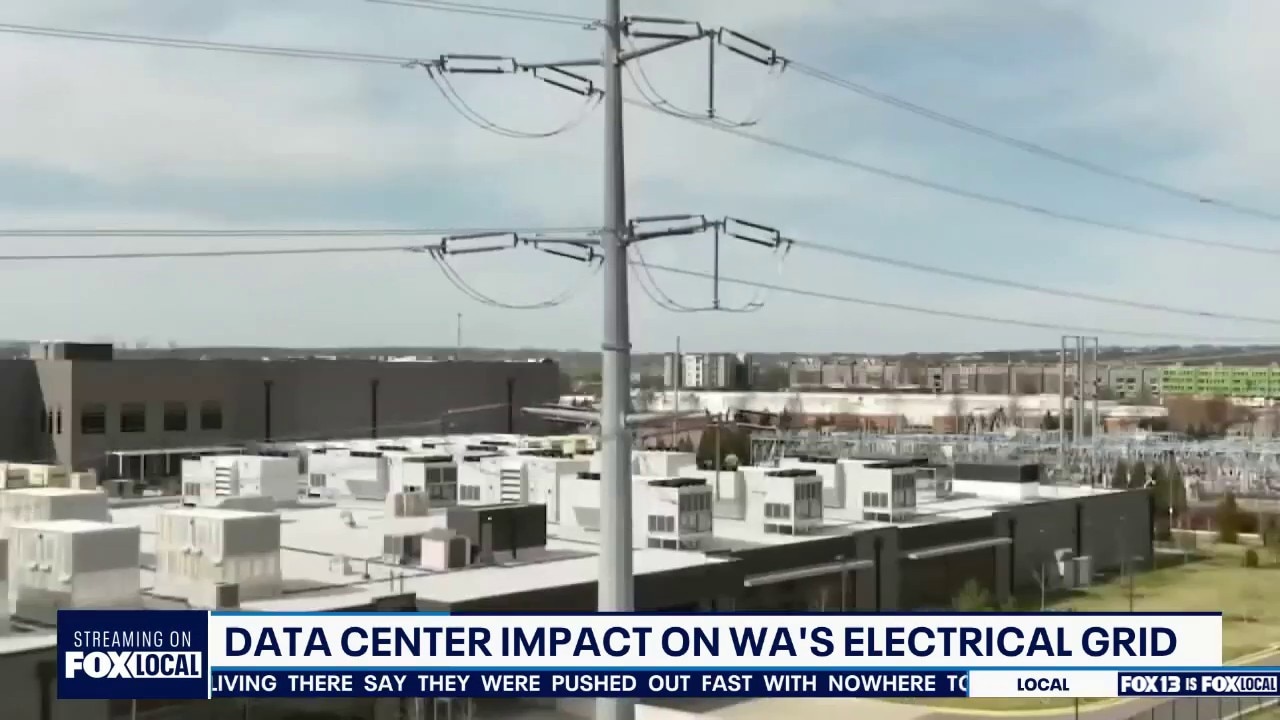
The impact of data centers on Washington's electrical grid
With artificial intelligence requiring outsized power and resources, more and more data centers are popping up across the country to feed the AI revolution. Washington has more than 100 data centers online currently, spanning all over the state, and could impact both local utility bills and regional ecosystems.
MORE NEWS FROM FOX 13 SEATTLE
Meteor lights up the night sky over western Washington and British Columbia
Shots fired near Seattle mayor Katie Wilson's press conference
Nearly 50 Pierce County, WA businesses shut down following fire safety inspections
Shaboozey's Seattle set hitting Paramount Theatre in October
Credit agency puts WA on notice reporting a negative financial outlook
To get the best local news, weather and sports in Seattle for free, sign up for the daily FOX Seattle Newsletter.
Download the free FOX LOCAL app for mobile in the Apple App Store or Google Play Store for live Seattle news, top stories, weather updates and more local and national news.
The Source: Information in this story came from Seattle City Light, the Department of Energy, the Instagram page of Seattle Mayor Katie Wilson, and original FOX 13 Seattle reporting and interviews.