

Coast Guard report details 'failures' that caused OceanGate Titan implosion

Coast Guard report details 'failures' that caused OceanGate Titan implosion
A U.S. Coast Guard report found the OceanGate Titan submersible implosion was preventable, citing design flaws and safety oversights.
SEATTLE - The U.S. Coast Guard released a harsh report on Tuesday on its investigation into the OceanGate Titan submersible implosion. The findings show the June 2023 catastrophe could have been "prevented."
Titan was operated by the private Everett-based company OceanGate. The sub was on a deep-sea voyage to the Titanic wreckage. OceanGate CEO Stockton Rush and four passengers were killed in the disaster.
What they're saying:
"In some ways, we want to make sure this didn’t happen in vain. That’s one of the primary goals of the Marine Board," said Jason Neubauer, chair of the U.S. Coast Guard’s Marine Board of Investigation.
Neubauer is a retired Coast Guard captain with more than 30 years of experience in the prevention field, including marine safety, inspection of commercial vessels, and investigations.
Neubauer, along with a team of investigators and engineers, spent the last two years developing a 335-page report. It revealed several failures that caused the Titan to implode below the North Atlantic. The report holds Stockton responsible for some factors, including ignoring safety warnings, deliberate oversight, negligence, and skipping regulations.
"It absolutely was preventable," said Neubauer.
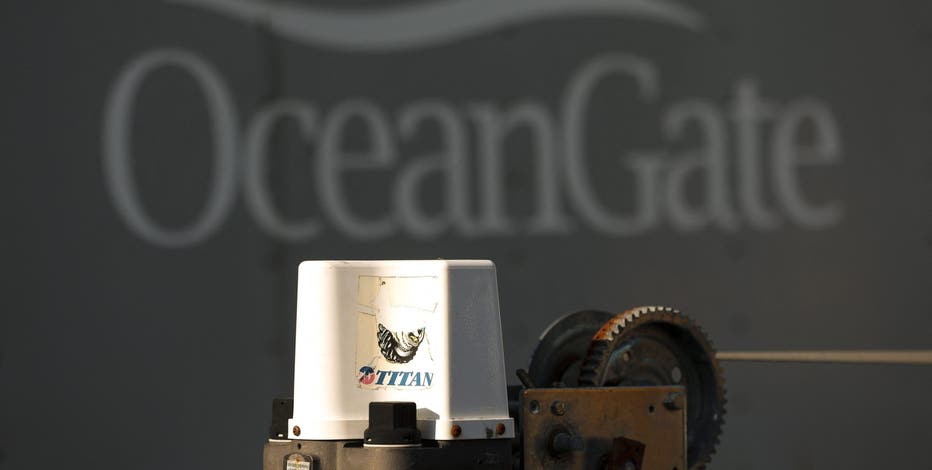
Titan implosion that killed 5 on way to Titanic was ‘preventable,’ Coast Guard says
The Coast Guard released findings Tuesday from its highest level of investigation into the Titan submersible disaster.
The recovery
Dig deeper:
Titan lost contact about two hours into the dive and then disappeared. It prompted an urgent search in the dark depths of the ocean. The submersible was located four days into the search by a remote-operated vehicle. Every part of the incident gained international attention.
It took the Coast Guard two extensive missions to retrieve Titan remains.
"We did eventually get the debris that we needed to do the forensic analysis required to kind of figure out what failed," said Neibauer. "Some of those domes are thousands of pounds, the two domes. So, it was challenging to recover the evidence and try to also maintain it so it could be in a state where we can do forensic analysis."
The report said investigators discovered the submersible had an "inadequate" design, created by Rush. The hull of the submersible was made of "breakable" carbon fiber instead of steel alloy, which is stronger and commonly used.
"The main cylinder hull was five layers of carbon fibroid that were one inch thick each and those layers were glued together. Between the first and second layer, we’re confident from the review of the debris, that the glue failed. So, the layers were free from each other," explained Neubauer. "At those depths, with those pressures involved, any movement of the hull would be very dangerous."
The Board determined the weakened submersible ultimately exposed Rush and his passengers to nearly 5,000 pounds per square inch of water pressure, instantly killing them.
"It’s so fast that everything inside the Titan would be incinerated as the pressure came in quickly," said Neubauer.
The Board also found Titan lacked maintenance and inspections, did not have proper certification, nor was it registered.
"In the case of the Titan, it’s one of the first instances I’ve ever seen where the commercial vessel involved didn’t even register with any state. We call it ‘flagging the vessel’ so we can track it, somebody who’s responsible for it. That didn’t occur in this case. And I think it was intentional," said Neubauer.
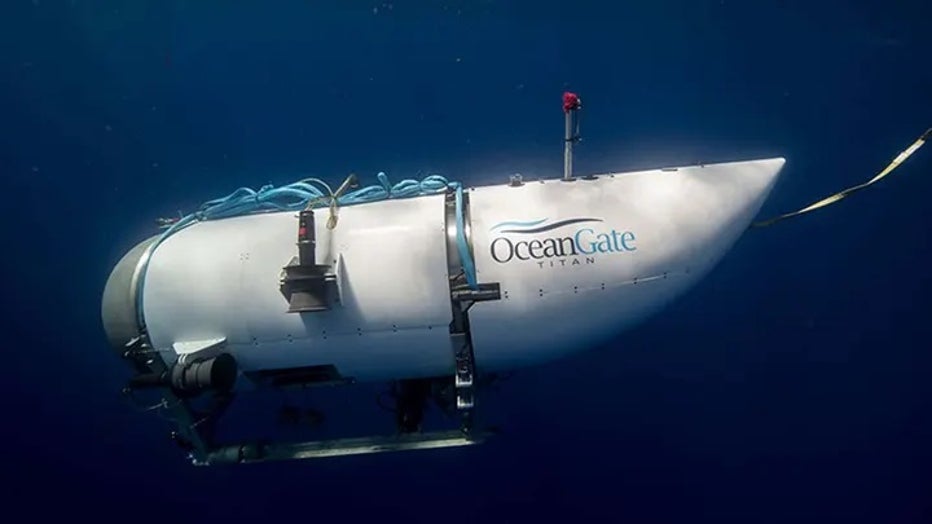
This file image provided by OceanGate shows the Titan submersible descending into the ocean before it imploded. (OceanGate Expeditions / Fox News)
CEO blamed for implosion
The disregard for safety would have handed Rush several criminal charges by the U.S. Department of Justice, if he were alive.
"OceanGate stated several times that they would carefully review real-time monitoring data to keep the vessel safe. It was one of the few safeguards they had in place for what they called an experimental craft. Unfortunately, they did not follow through with those commitments that they stated," said Neubauer.
At the conclusion of the report, the Coast Guard recommended increased regulations and strengthened oversight within the submersible expedition industry to avoid a future catastrophe.
"I’ve been in contact with the families throughout the process. They will always have my condolences. And I just want them to know even though the report has been issued, I still will be involved in helping to communicate some of those recommendations for the commandant’s approval. And we won’t stop until we see and push for those recommendations," said Neubauer.
OceanGate technically still exists as a registered business, but it is not actively operating, according to its website that features a message stating all operations were suspended.
Several lawsuits were filed against the company since the implosion, including claims of wrongful death and negligence. One family of a passenger killed filed a lawsuit for more than $50 million.
The Source: Information in this story came from the U.S. Coast Guard Marine Board of Investigation and FOX 13 Seattle reporting.
MORE NEWS FROM FOX 13 SEATTLE
Video captures suspected arsonist in South Seattle funeral home fire
Where are the fires in WA? Here's a map of the wildfires burning across the state
PSE warns of power shutoffs as WA wildfires surge
Alaska Airlines to launch flights to London, Reykjavik from Seattle
3 Seattle-area sandwich shops make Yelp's Top 100 list
To get the best local news, weather and sports in Seattle for free, sign up for the daily FOX Seattle Newsletter.
Download the free FOX LOCAL app for mobile in the Apple App Store or Google Play Store for live Seattle news, top stories, weather updates and more local and national news.