

'Lethal' toxin levels close Hood Canal, WA shellfish harvesting
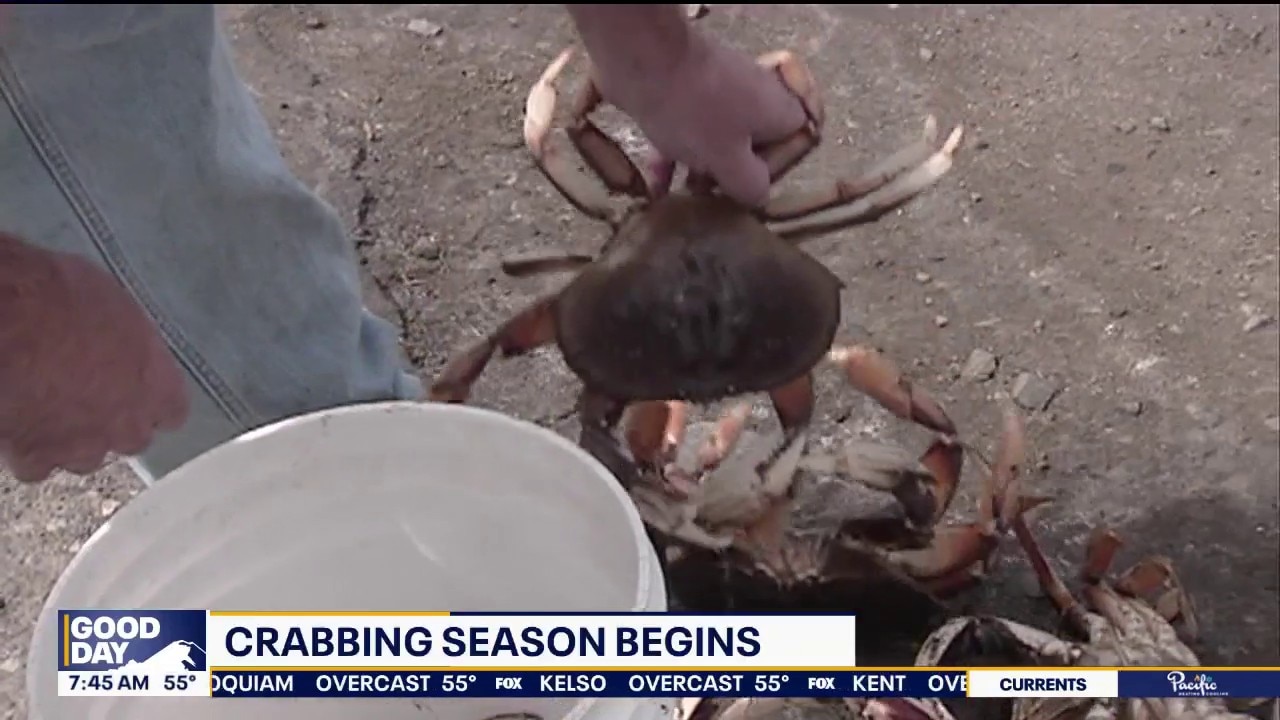
WA crabbing season begins: Hood Canal paralytic shellfish poison at lethal levels
Crabbing season has officially kicked off in Washington state. However, the state Department of Health is warning residents and visitors not to harvest or eat recreational shellfish from Hood Canal because of potentially lethal levels of paralytic shellfish poisoning toxins.
OLYMPIA, Wash. - State health officials are warning the public not to harvest or eat recreational shellfish from Hood Canal after laboratory testing detected lethal levels of a marine toxin.
The Washington State Department of Health announced Thursday that high concentrations of Paralytic Shellfish Poisoning, or PSP, were found in shellfish samples collected this week near Hoodsport and surrounding areas.
The warning comes ahead of the busy Fourth of July holiday weekend, a peak time for visitors traveling to the Washington coast.
Shellfish harvesting closures expanded
What we know:
As a result of the high toxin levels, all recreational shellfish harvesting remains closed in Hood Canal from Foulweather Bluff and Port Ludlow Bay south. This includes Port Gamble Bay, Quilcene Bay, Dabob Bay, and Mats Mats Bay.
Health officials have also expanded the closure north to include Port Townsend, Oak Bay, and Marrowstone Island.
The restrictions apply to all molluscan shellfish species, including clams, oysters, mussels, and scallops. Crab and shrimp are not included in the closure, and local county authorities have posted warning signs at affected public beaches.
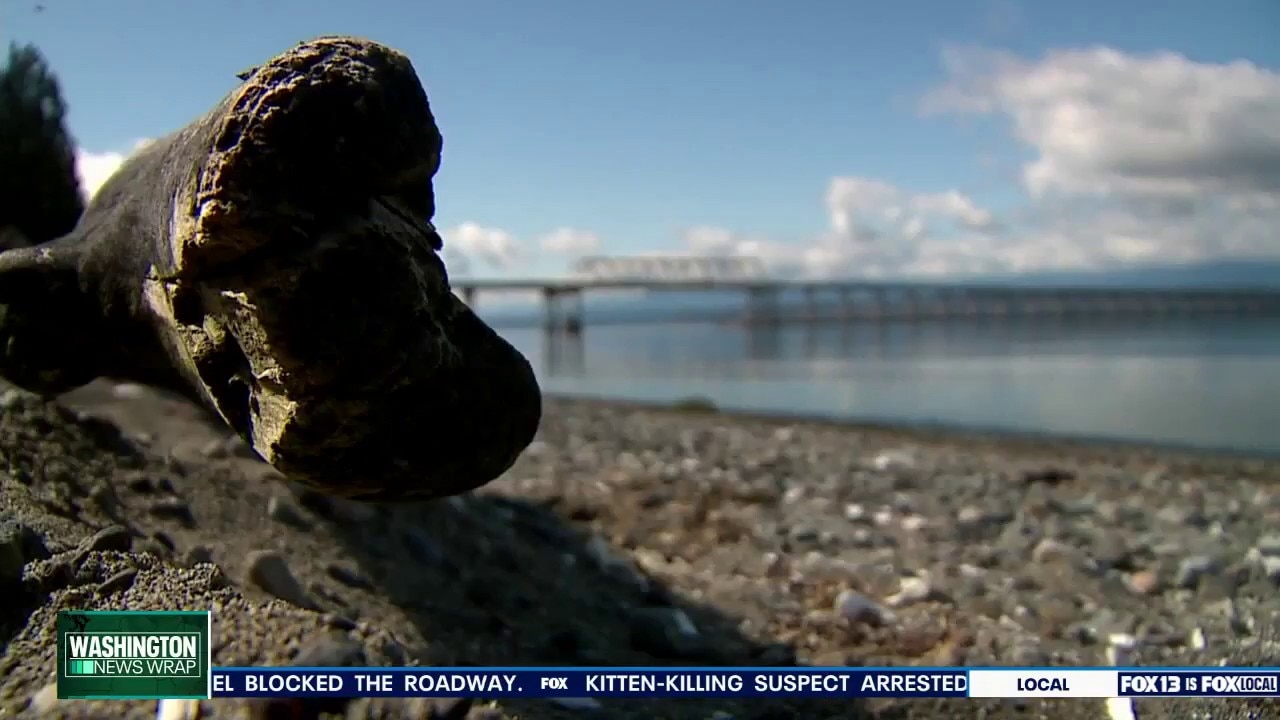
Dangerous levels of paralytic shellfish poison prompts Hood Canal harvesting closure
Recreational shellfish harvesting is closed in several areas after dangerous levels of "paralytic shellfish poison" was detected, including in the Hood Canal.
Symptoms of Paralytic Shellfish Poisoning
Why you should care:
PSP is a naturally occurring marine toxin that cannot be seen, smelled, or tasted. Officials warn that the toxin is not destroyed by cooking, freezing, or cleaning the shellfish.
Symptoms of contamination can develop within minutes to several hours after eating affected shellfish. Early signs include tingling or numbness of the lips, tongue, hands, and feet.
In severe cases, the toxin can cause difficulty breathing, paralysis, and death. Health officials advise anyone experiencing these symptoms after consuming shellfish to seek immediate medical attention or call 911.
WA state monitoring, safety resources
What they're saying:
The Department of Health conducts ongoing statewide monitoring of recreational and commercially harvested shellfish to protect public health.
Affected beaches and bays will remain closed until official monitoring confirms that the toxin levels have returned to safe parameters.
State health officials advise anyone planning to harvest recreational shellfish to check the Washington Shellfish Safety Map online before heading to the beach.
The Source: Information in this story came from the Washington State Department of Health.
MORE NEWS FROM FOX 13 SEATTLE
Magnitude 3.8 earthquake shakes Oak Harbor: Felt around Puget Sound
Seattle World Cup: USA and Belgium to face off in round of 16
Evacuations downgraded for wildfire near Lake Chelan
Seattle-area Lululemon shoplifting suspects charged with organized retail theft
Here's where to watch World Cup games at all hours in Seattle
To get the best local news, weather and sports in Seattle for free, sign up for the daily FOX Seattle Newsletter.
Download the free FOX LOCAL app for mobile in the Apple App Store or Google Play Store for live Seattle news, top stories, weather updates and more local and national news.