

WA lawmakers wrap up 2026 session after approving 'millionaires tax'
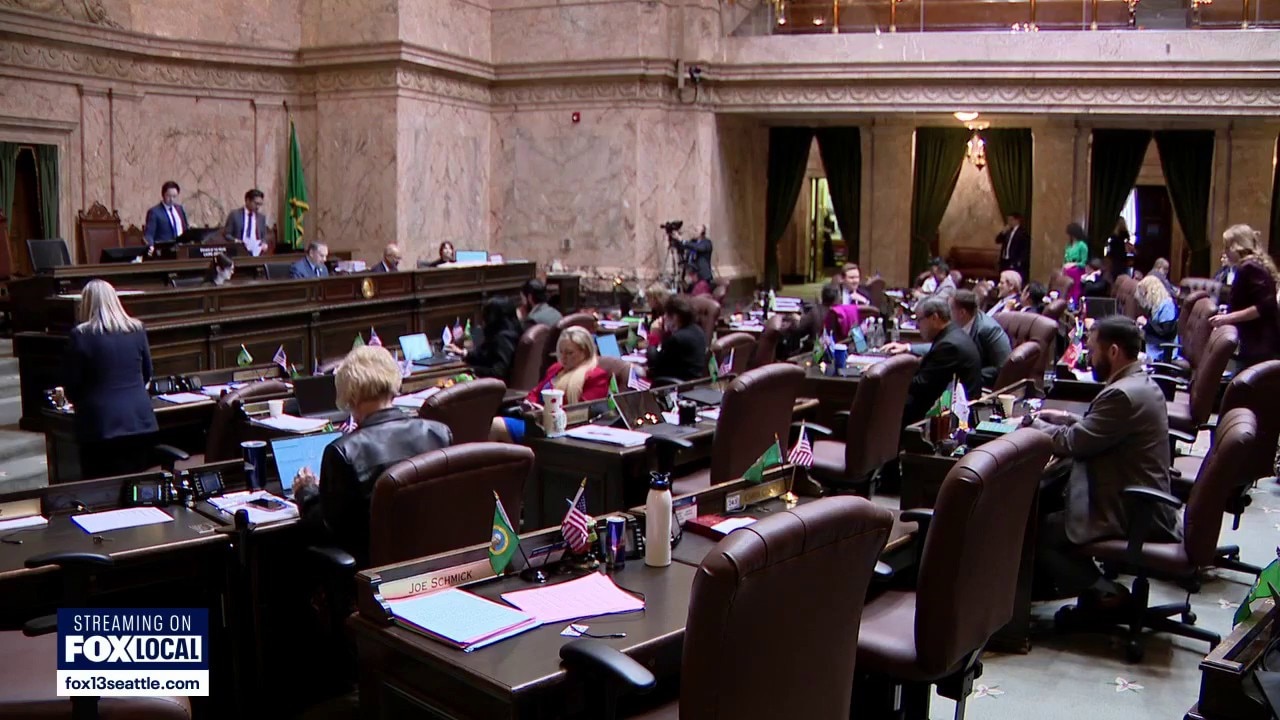
Washington lawmakers pass first state income tax as session wraps
Washington lawmakers ended the 60-day legislative session by approving a 9.9% tax on some of the state’s highest earners, marking the first state income tax in Washington history.
OLYMPIA, Wash. - Washington lawmakers are wrapping up the state’s 60-day legislative session after approving what Democrats call a historic measure: the state’s first income tax, all while trying to address a multibillion-dollar budget shortfall.
In the final hours of the session, lawmakers scrambled to finalize the state’s three major spending plans — the operating, transportation and capital construction budgets — while also debating several high-profile bills.
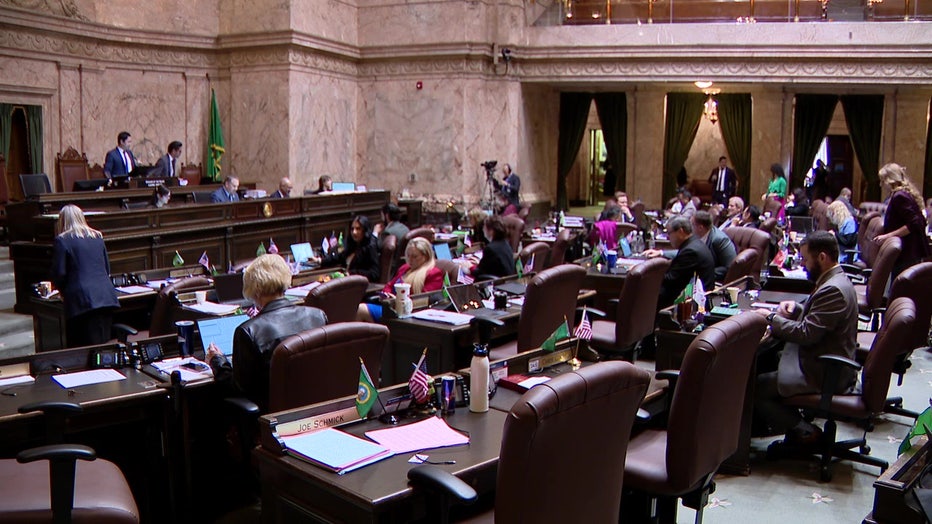
The Washington State House of Representatives wraps up the 2026 legislative session. (FOX 13 Seattle)
The operating budget, which funds most state services, remains the most consequential as lawmakers work to close a significant gap between projected revenue and spending.
Democratic lawmakers approved new revenue, including a 9.9% tax on income above $1 million — now referred to as the "millionaires tax."
Gov. Ferguson on ‘millionaires tax’
What they're saying:
Gov. Bob Ferguson said he is pleased with the final version of the proposal.
"Yeah, more than happy about it," Ferguson said in an interview with TVW. "The tax only applies if you clearly make more than a million dollars in a year."
Ferguson emphasized that the tax is narrowly targeted and would apply to less than half of 1% of Washington residents.
"So it's a very small number of people…whose income totals more than a million dollars in a year," Ferguson said.
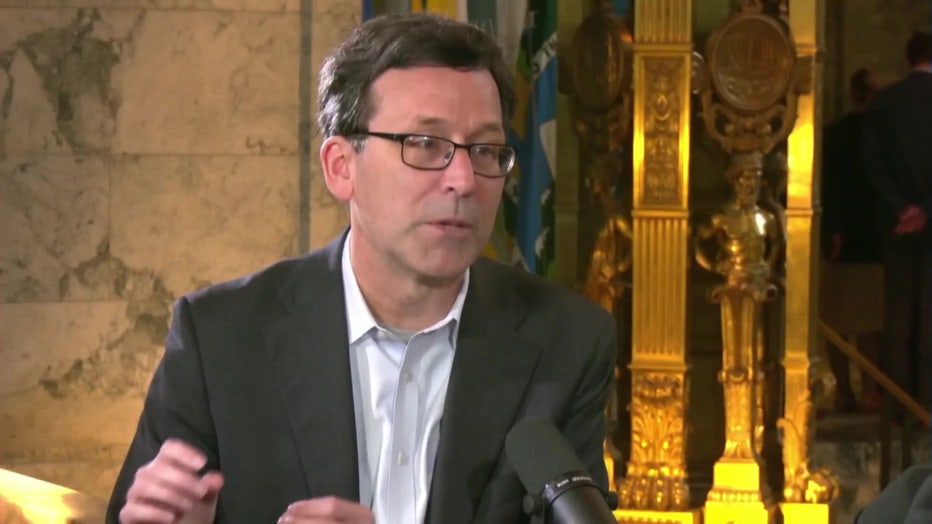
Gov. Bob Ferguson discusses the results of the 2026 legislative session as it comes to a close. (TVW)
He also said the plan ensures revenue flows back to residents through tax breaks and public services.
According to the governor, the legislation includes the largest tax break for small business owners in state history by expanding exemptions from the state’s business and occupation (B&O) tax. It also includes rebates for families and expanded school meal programs.
"We're sending rebates to 460,000 additional families, they'll literally get a check from the state between $313, $100," Ferguson said. "Free lunches and free breakfasts for K through 12 schools."
He said the goal is to make life more affordable across the state.
"It’s not just about more money for a general fund," Ferguson said. "It's about reinvesting back to the people to make sure that life is more affordable when I'm here in Washington state."
Ferguson acknowledged the policy will likely face legal challenges once enacted.
"There'll be a court challenge for sure," Ferguson said. "And undoubtedly, there’ll be a challenge in the court of public opinion."
The governor said he's intent on signing the bill he believes has a strong chance of being upheld in court.
"I wouldn't be signing this if I thought the chances were good that it would not be upheld by the state Supreme Court," Ferguson said.
The other side:
Republicans, however, remain sharply critical of the new tax and the broader spending plan.
State Republican Party Chair Jim Walsh said the session’s biggest political fight centered on the income tax debate, which included a nearly 25-hour floor battle.
"The big deal, the big fight, the big debate, the big discussion was of course the governor's new state income tax," Walsh said.
Walsh argued the final budget leaves the state financially vulnerable, particularly because of the small reserve fund.
"The cushion is razor thin. I mean, it's effectively zero," Walsh said.
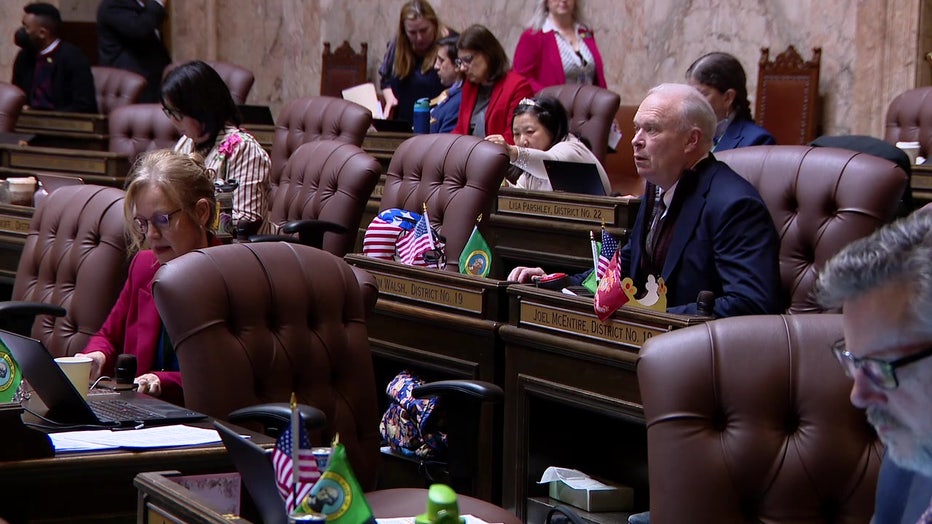
State Republican Party Chair Jim Walsh sits during the last day of the 2026 Washington Legislative Session. (FOX 13 Seattle)
He said state budgets typically maintain a 3% to 5% reserve to protect against emergencies or unexpected costs.
"Normally, you want to keep something like three to 5% of the total spending in that cushion to absorb against a flood or an unanticipated emergency of some sort," Walsh said.
He also criticized the new income tax as harmful to the state’s economy.
"The state income tax that the governor and the speaker have supported is bad economic policy, bad tax policy, in my opinion," Walsh said.
Walsh warned the policy could affect Washington’s reputation among entrepreneurs and business leaders and may create long-term financial uncertainty.
One concern, he said, is that the new tax would not generate revenue immediately.
"This state income tax actually doesn't take effect until 2028, leading into 2029," Walsh said.
That delay means the revenue will not help cover potential deficits expected in the near term.
Walsh said taxes tied to income and capital gains can also fluctuate more dramatically than traditional sources like property or sales taxes.
"Those are more predictable," Walsh said. "These are more up and down."
More bills advance
Big picture view:
Beyond the income tax, lawmakers also debated several other controversial proposals during the session, including funding for reproductive health services and legislation affecting the oversight of local sheriffs.
Walsh said Republicans opposed a proposal that places a tax on health insurance policies to fund reproductive health services, arguing it could require Washington taxpayers to cover care for out-of-state patients.
"It's a tax on basically every insurer's health insurance policy," Walsh said.
He also criticized legislation that would allow a governor-appointed commission to decertify county sheriffs, saying the measure could be misused politically.
Despite disagreements, Walsh said Republicans were able to block some legislation they opposed.
"In the minority, you kind of measure your success like a goalie in hockey," Walsh said. "You're trying to knock the shots down."
Overall, he graded the legislative session a "B minus."
"I can't give it an A, because of the state income tax," Walsh said.
Ferguson, however, described the session as a major success, saying lawmakers delivered on key priorities outlined in his State of the State address.
"By any fair measure, this has been a very successful session," he said.
The governor pointed to housing and infrastructure investments among the biggest achievements of the session, though he said he was disappointed lawmakers did not approve additional funding for Washington’s ferry system.
"I'll be back again to try next year," Ferguson said.
Lawmakers are expected to finalize votes on the state budgets before adjourning the legislative session.
MORE NEWS FROM FOX 13 SEATTLE
WA double-murder suspect Samuel Ramirez Jr. captured, FBI Most Wanted
Arrest made in 2024 triple fatal Everett, WA hit and run
Former WA resident says she was victim of alleged License Express flaw
WA judge rules on media figures' access to Capitol in Olympia
Seattle Mayor proposes $410M levy to fund city libraries
To get the best local news, weather and sports in Seattle for free, sign up for the daily FOX Seattle Newsletter.
Download the free FOX LOCAL app for mobile in the Apple App Store or Google Play Store for live Seattle news, top stories, weather updates and more local and national news.
The Source: Information in this story came from the Washington State Legislature, TVW, and original FOX 13 Seattle reporting and interviews.