

Can Washington bring back the sunflower sea star? Inside a rare conservation effort
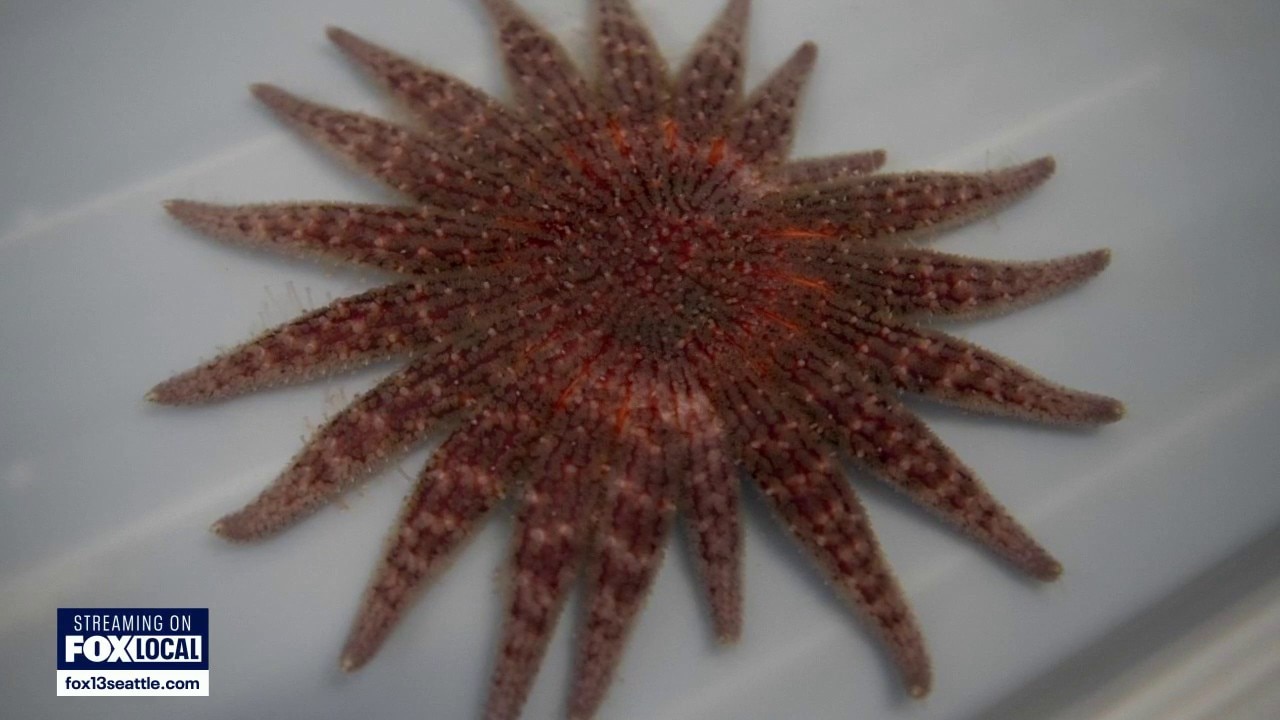
Can Washington bring back the sunflower sea star?
A marine predator that once helped keep Puget Sound's ecosystem in balance has all but vanished from Washington waters, and scientists at Point Defiance Zoo & Aquarium are working to change that.
SEATTLE - A marine predator that once helped keep Puget Sound's ecosystem in balance has all but vanished from Washington waters, and scientists at Point Defiance Zoo & Aquarium are working to change that.
Sunflower sea stars known for their dozens of arms and surprising speed can move about 40 inches per minute. Their appearance alone is striking, with biologist Mark Murray describing them simply: "They're huge," adding, "they move so quickly."
But while common five-armed sea stars can still be found around Commencement Bay, Murray said sunflower sea stars have experienced a dramatic decline.
"They used to be everywhere," explained Murray. "You'd see them diving, you'd see them tidepooling."
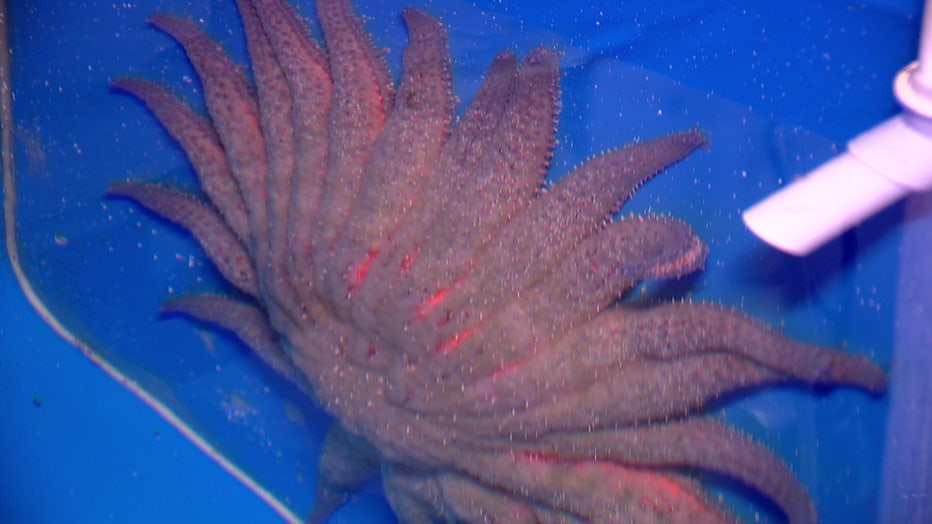
The species has suffered a 94% population decline after a wasting disease spread along the West Coast, wiping out billions of sunflower sea stars.
That disappearance hasn't gone unnoticed outside the scientific community. Reddit users who identified themselves as local crabbers recalled routinely pulling sunflower sea stars up in their crab pots years ago, saying they haven't seen them in years.
For today's marine biology students, Murray said the animals have become almost mythical.
"It's almost like this extinct species," he said, "comparing it to something like the dodo that you only ever read about before and you get to see one."
A rare conservation effort
Scientists at Point Defiance Zoo & Aquarium are now working to help the species recover.
"There's not many aquariums that have them in their collection anymore," he said.
Behind the scenes, the aquarium is caring for one female sunflower sea star that survived the wasting disease outbreak.
Although she may never return to the wild, researchers hope her offspring eventually can.
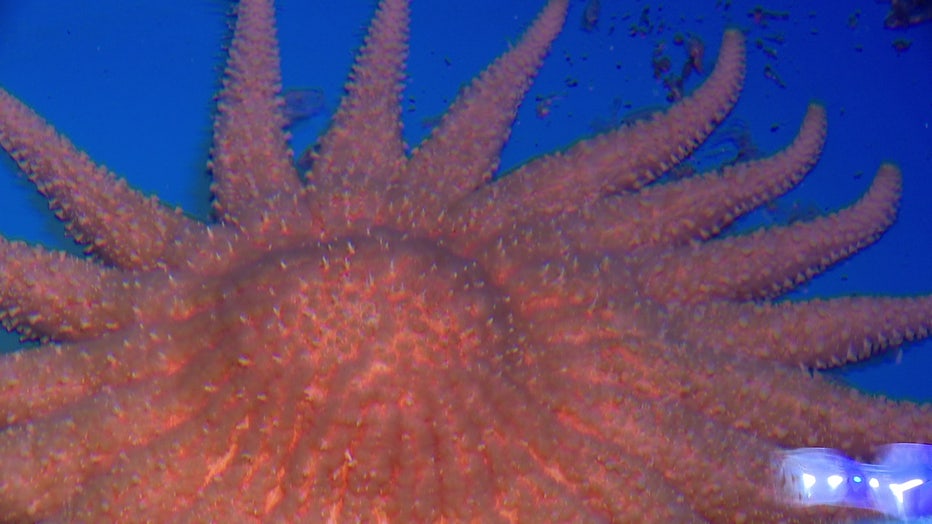
"The biggest mystery that we're working with is trying to raise them," said Murray.
Researchers hope whatever allowed the female to survive could eventually help rebuild the species.
Why sunflower sea stars matter
Murray said the effects of the wasting disease were swift and devastating.
"They would completely waste and be dead in a matter of days," he said.
The disappearance of sunflower sea stars has also reshaped the underwater ecosystem.
"Without sunflower stars we're seeing sea urchin population rise even more," said Murray.
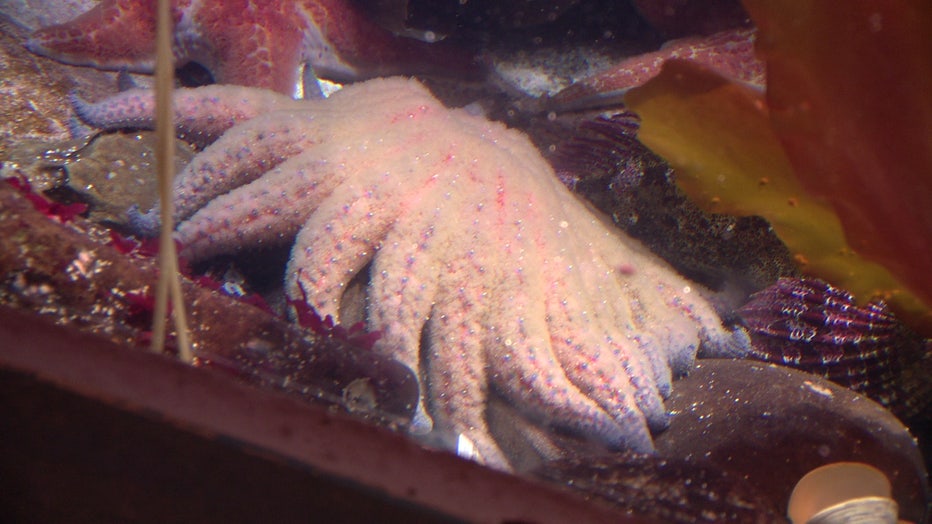
As sea urchin populations increase, they consume kelp forests that provide habitat for fish, including salmon, while also helping buffer the effects of ocean acidification.
"So without the sunflower sea stars we can't do any kelp restoration," Murray said.
Ultimately, Murray said the health of the ecosystem is interconnected.
"It all comes back together, right?" he said.
MORE NEWS FROM FOX 13 SEATTLE
Andre Sayles steps into interim police chief role in Seattle
Shon Barnes' exit adds another chapter to Seattle Police's revolving door
Bumbershoot outlines security after Bite of Seattle shooting
Seattle Storm co-owner fined, suspended after spat with Indiana Fever fans
Why did police turn off body cameras after Seattle Center shooting? What we know
To get the best local news, weather and sports in Seattle for free, sign up for the daily FOX Seattle Newsletter.
Download the free FOX LOCAL app for mobile in the Apple App Store or Google Play Store for live Seattle news, top stories, weather updates and more local and national news.
The Source: Information in this story came from Point Defiance Zoo & Aquarium and original FOX 13 Seattle reporting and interviews.