

Washington wolf population hits record high in 2025
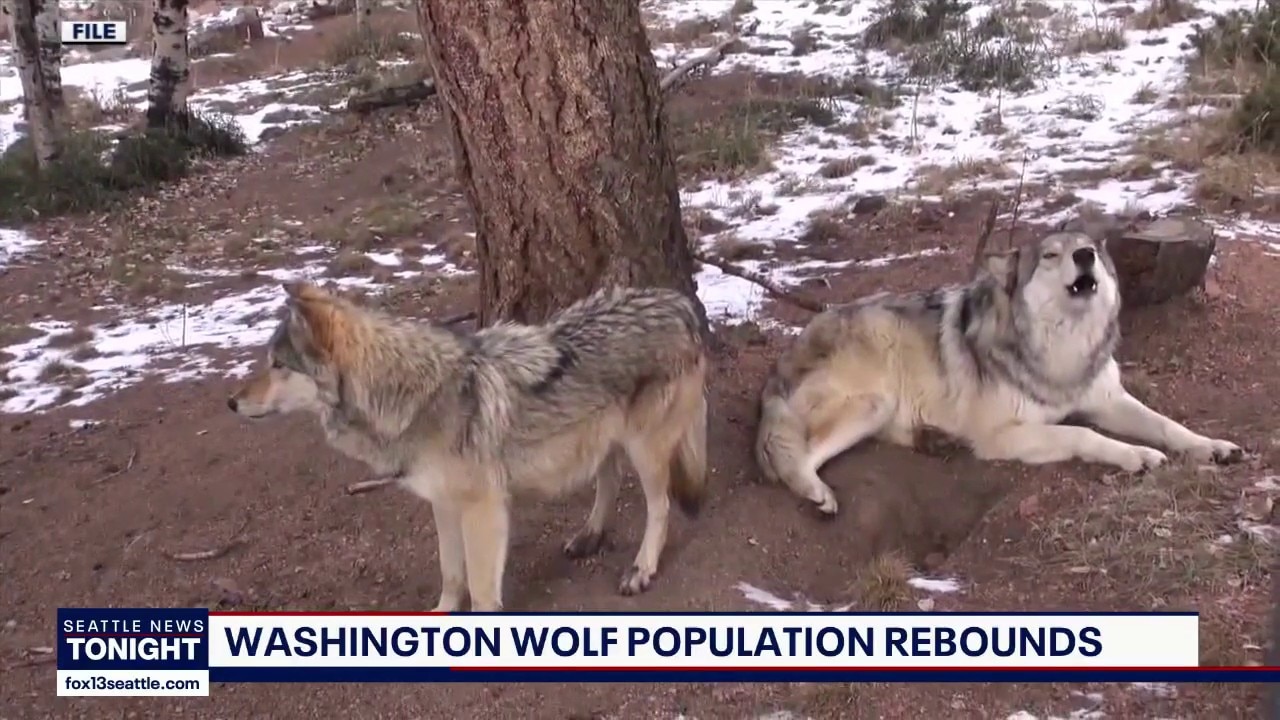
Washington wolf population reaches record high
Washington’s gray wolf population has reached a record high, growing 17% in 2025, according to state officials. As numbers rise, so do challenges over management and conflicts with livestock.
OLYMPIA, Wash. - Following a brief decline in 2024, Washington’s gray wolf population surged by more than 17% last year, reaching the highest numbers recorded since the species began its recovery in the state.
According to the 2025 Washington Gray Wolf Conservation and Management Annual Report released Friday, the Washington Department of Fish and Wildlife (WDFW) and partnering tribes documented a minimum of 270 wolves and 49 distinct packs.
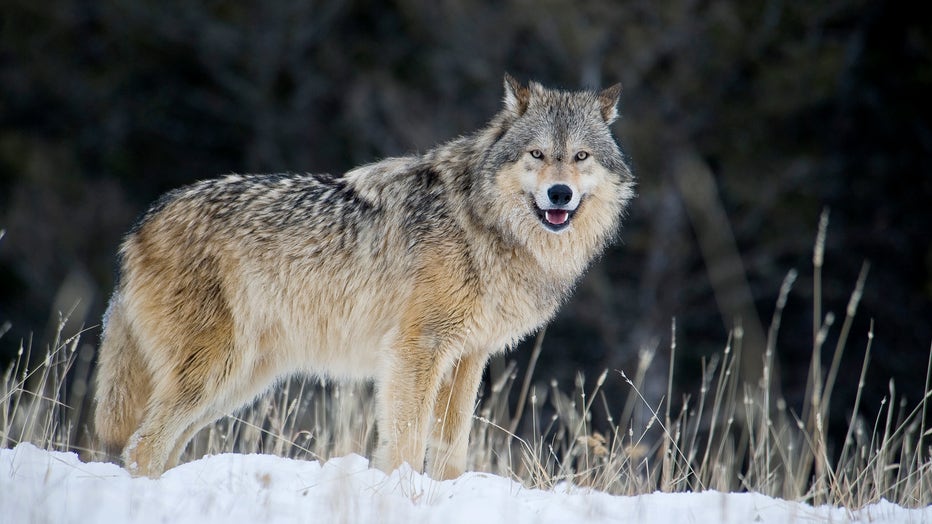
Male Gray Wolf in fresh falling snow, Montana, USA. (Photo by: Dennis Fast / VWPics/Universal Images Group via Getty Images)
While the population is flourishing in the northern and eastern regions of the state, wildlife biologists say there's a persistent "stark divide" as wolves struggle to establish a permanent presence in the South Cascades.
By the numbers:
The 2025 count marks a significant rebound from the previous year’s tally of 230 wolves. Biologists confirmed six new or re-established packs, including the Billy Goat and Tupshin packs in the North Cascades.
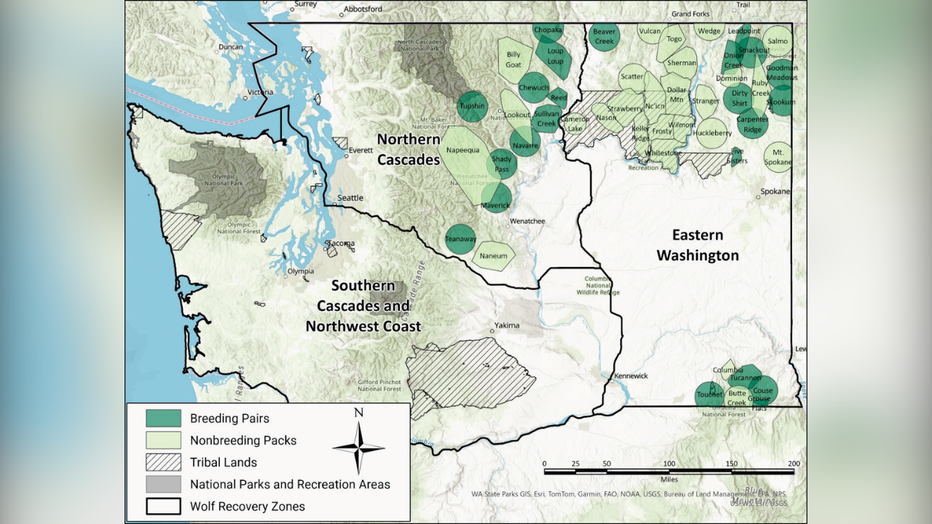
Known wolf packs in Washington as of Dec. 31, 2025, not including unconfirmed or suspected packs or border packs from other jurisdictions. (via WDFW)
"If you look at the light blue bars, you kind of look at the general upward trends that's consistent in that area...growing at roughly 20% per year," said a WDFW representative during a commission presentation.
State officials attribute the increase to standard biological recovery, though they emphasize that the 270 figure is a "minimum count." The agency utilizes a conservative multiplier of 12.5% to account for lone wolves not associated with a specific pack at the time of the survey.
The I-90 Barrier
Despite the record-breaking numbers, the recovery map remains lopsided. No resident packs were documented in the Southern Cascades or Northwest Coast regions by the end of 2025. Biologists point to major infrastructure and geography as a primary filter for dispersal.
"I-90 is particularly challenging for them to cross," the WDFW spokesperson said. "If they want to cross south I-90 they have to swim the Columbia and they have to cross an interstate and cross railroad tracks. It's almost impossible for wolves to cross the Columbia coming from Oregon."
While GPS collar data confirmed at least two individual wolves traveled through the South Cascades during the year, one eventually turned back north, and the other disappeared from tracking at the end of December.
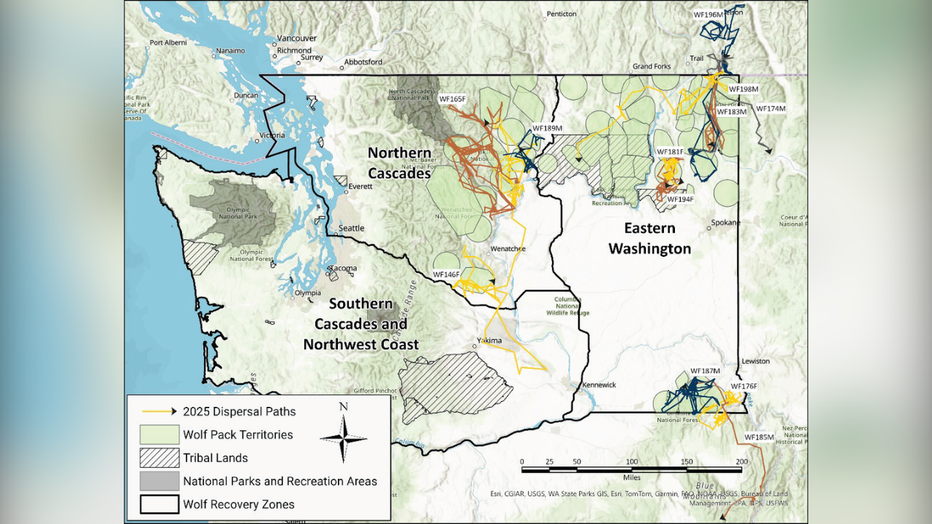
Generalized dispersal paths of collared wolves that dispersed from known wolf packs in Washington in 2025. (via WDFW) (WDFW)
Dig deeper:
The report also detailed 28 wolf mortalities in 2025. The majority of these deaths were human-caused, including 12 legal tribal harvests, three instances of "unlawful take" (illegal poaching), and four wolves lethally removed by the state in response to livestock attacks.
However, officials noted that conflict remains concentrated among a small percentage of the population. Only five of the 49 known packs were involved in documented livestock injuries or deaths.
"Ninety percent of known packs were not involved in any known depredations in 2025...despite most pack territories overlapping livestock operations on both public and private lands," officials said.
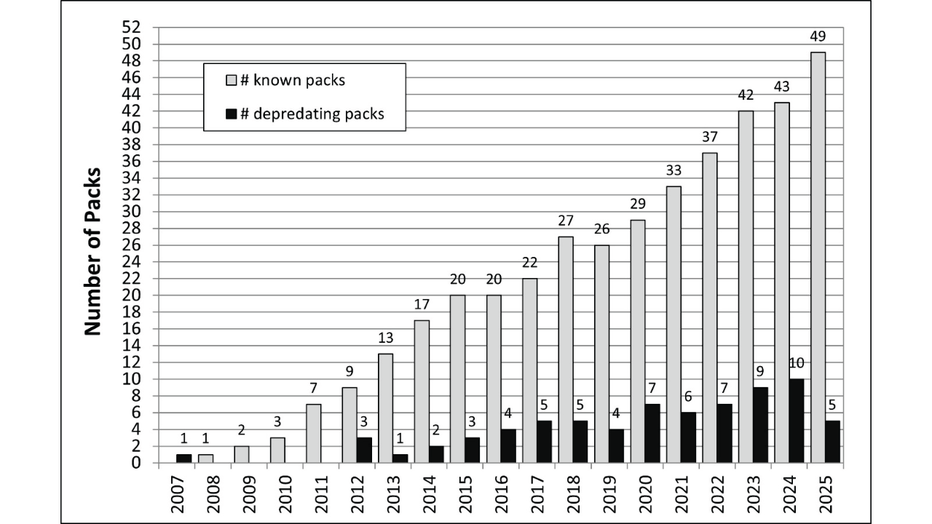
Minimum number of known packs that existed at the end of the calendar year and the number of confirmed depredating packs (on livestock) in Washington, 2007 – 2025. (via WDFW) (WDFW)
The "Treadmill" of Management
Maintaining data on the expanding population remains a logistical challenge. WDFW monitored 50 collared wolves across 24 packs last year, a level of oversight the agency described as "unheard of" for a population of this size.
"It’s kind of like running on a treadmill maintaining the number of collars in the number of packs that we’d like," the spokesperson explained. "You feel like you never really get ahead. You get half your packs collared, and by the end of the year, you're down to 30%."
The state continues to prioritize collaring efforts in "recolonization fronts" and areas with the highest risk of livestock conflict to ensure continued coexistence as the population trends toward long-term stability.
MORE NEWS FROM FOX 13 SEATTLE
Fircrest veteran says he was scammed of $28K from 'veteran-owned' business
WA man's loved ones battle misinformation, honor legacy after killing
Lime 'devastated' by Seattle crash critically injuring 2 riders
Seattle mayor responds to growing concerns surrounding data center proposals
Those cute sea lions at Seattle's Golden Gardens Park can still be dangerous
To get the best local news, weather and sports in Seattle for free, sign up for the daily FOX Seattle Newsletter.
Download the free FOX LOCAL app for mobile in the Apple App Store or Google Play Store for live Seattle news, top stories, weather updates and more local and national news.
The Source: Information in this story came from the Washington Department of Fish and Wildlife and FOX 13 Seattle reporting.