

WA's plastic bag ban reduced bag usage, but increased plastic use: report

The effectiveness of Washington's plastic bag ban
A new report from Washington State University and the Department of Commerce suggests the state's plastic bag ban has not gone far enough, finding that total plastic use increased despite a reduction in bags.
SEATTLE, Wash. - Washington’s plastic bag ban has been in effect for several years, but a new report from Washington State University and the Department of Commerce suggests the 8-cent fee for "reusable" plastic bags isn’t covering the real cost — and the environmental impact may be even greater.
What they're saying:
James Hardy, who works for Seattle Surface Cleaners, says no matter the ban or fees, litter keeps piling up.
"In the CID we can go through about 25-35 bags a day," Hardy said. "The issue is always going to be there. People don't care. They're going to litter."
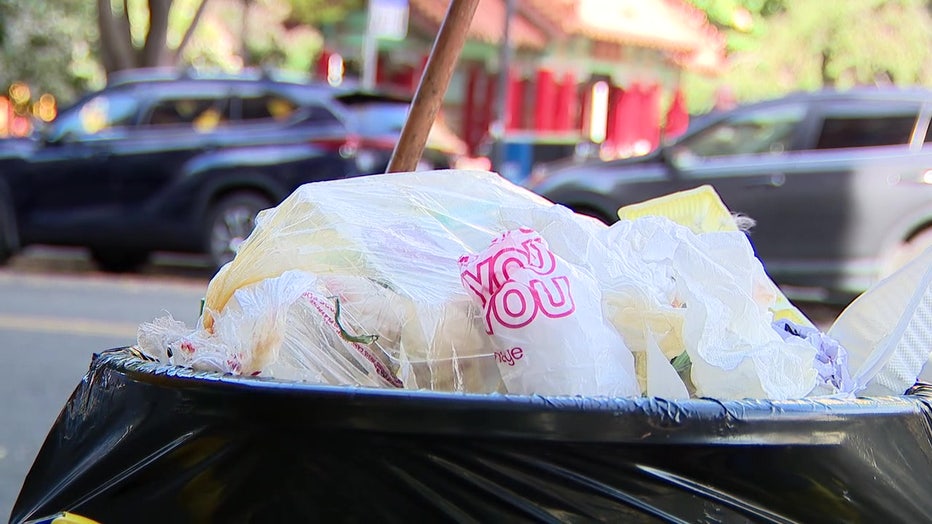
Not all shoppers are careless. Some, like Djuinith Wender, pay the current 8-cent fee for thicker reusable bags, a law Washington state implemented in 2021 to reduce plastic waste.
"Because some people working the company, they make the bags, they work for life. For me, like, they're working for getting money, but if the bags we don’t buy — where do they work? It's about supporting business," Wender said.
Others, like Mark Aprill, sometimes forget reusable bags and end up paying for store-provided ones.
"Between one and four," Aprill said when asked how many bags he typically uses on a grocery trip.
And when shoppers double up bags while walking or using public transportation, the honor system isn’t always reliable.
"I just pay for half the bag to use," Aprill said. "I don't know what I put in. You know, I may do it, may or may not."
By the numbers:
The report says the issue of plastic versus reusable bags is far more complicated. While the 2021 ban cut bag usage by half, total plastic use actually increased 17%. Paper bag usage declined by 21%.
The 8-cent fee was meant to encourage people to bring their own bags, but most shoppers aren’t reusing the heavier plastic bags enough to offset their environmental impact. Production costs range from 10 to 39 cents per bag, meaning stores often pay more than they recover from customers.
"Without sufficient reuse, reusable plastic, paper, and fabric, carryout bags have higher environmental lifecycle costs than single-use bags," researchers noted.
Lawmakers are considering raising fees based on bag thickness:
- 0.5 mil bags: $0.08
- 2.25 mil bags: $0.28
- 4 mil bags: $0.51
Imagine a plastic bag costing you 51 cents every time you shop. That’s what a new state report suggests the real price tag could be if Washington sticks with thicker plastic bags.
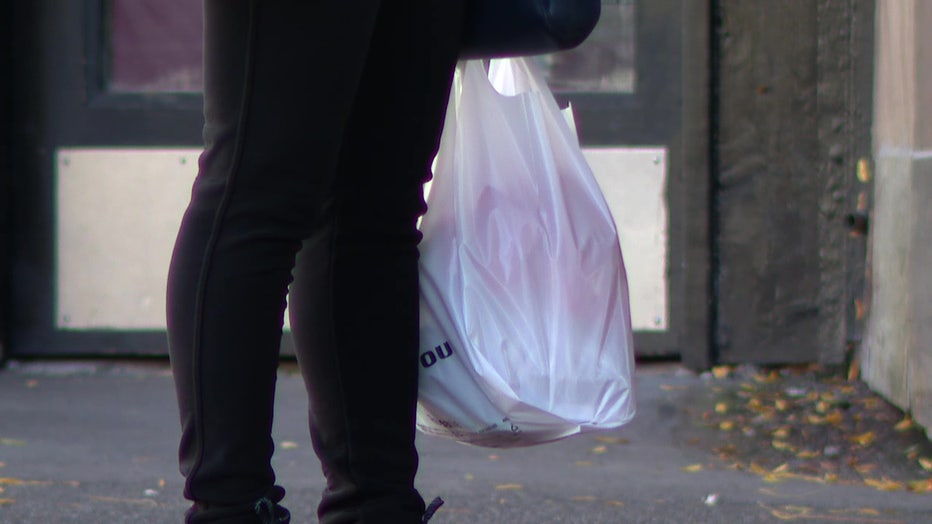
The real question remains whether shoppers would pay more or finally ditch plastic.
"That’s going to be a different issue. I have to think about it, maybe I can pay, maybe not," Wender said.
"I doubt it. I don’t think it’ll get mitigated at all," Hardy added. "I feel like whatever bag is around, if it's paper, it's still gonna get thrown on the street. Or if we go to the cloth bags, the same result's gonna happen."
FOX 13 reached out to the Department of Commerce for comment on the study’s recommendations, but officials say they’re currently inundated with government shutdown questions. Updates will follow as they become available.
MORE NEWS FROM FOX 13 SEATTLE
Traveling through SEA Airport during US government shutdown? Here's what to know
WA's Labor Mountain Fire burns through $1M in tax dollars per day
WWII-era grenade brought into Tacoma, WA police headquarters for disposal
Judge dismisses lawsuit over naked baby on Nirvana album cover
Idaho judge bars the release of graphic photos from crime scene where Bryan Kohberger killed 4
To get the best local news, weather and sports in Seattle for free, sign up for the daily FOX Seattle Newsletter.
Download the free FOX LOCAL app for mobile in the Apple App Store or Google Play Store for live Seattle news, top stories, weather updates and more local and national news.
The Source: Information in this story came from a report from Washington State University and the Department of Commerce, and original FOX 13 Seattle reporting and interviews.