

Wildfire smoke in Seattle: What to know as unhealthy air hits western WA
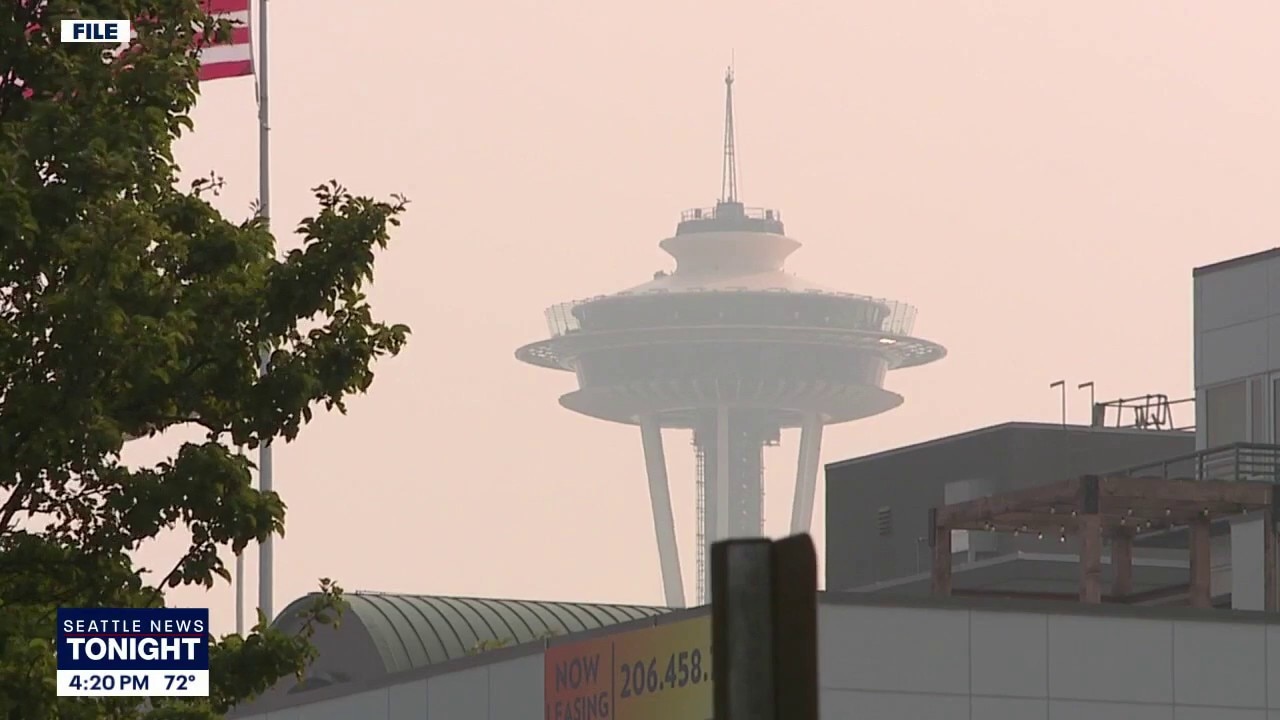
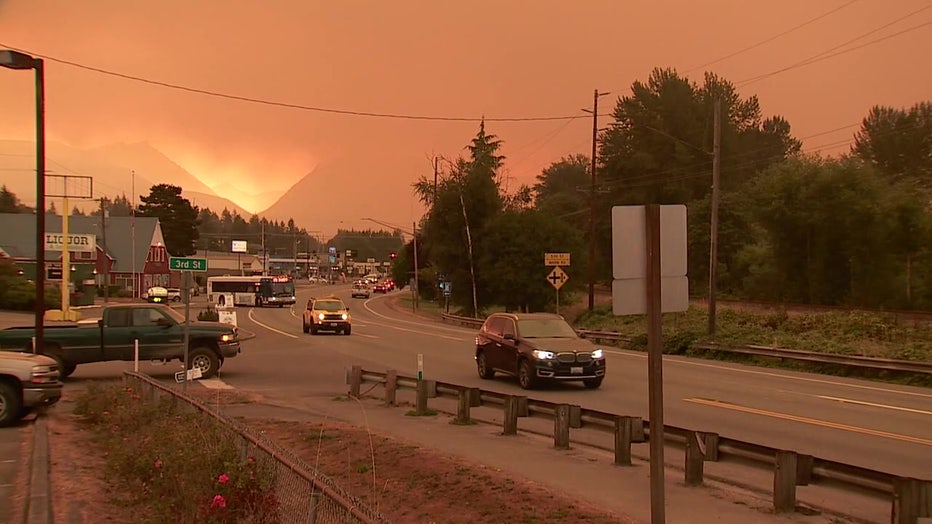
Wildfire smoke moving into Seattle, impacting air quality
Wildfires smoke is expected to impact western Washington over the next several days as temperatures climb into the 80s, with officials warning everyone to pay attention and be prepared.
Washington - Western Washington residents could see deteriorating air quality over the next several days as wildfire smoke from Washington, Oregon and Canada moves into the region, prompting health officials to urge people to monitor conditions and limit smoke exposure when possible.
While much of the smoke remained higher in the atmosphere Monday, forecasters say it is expected to settle closer to the ground later in the day, leading to hazier skies and potentially unhealthy air for some communities.
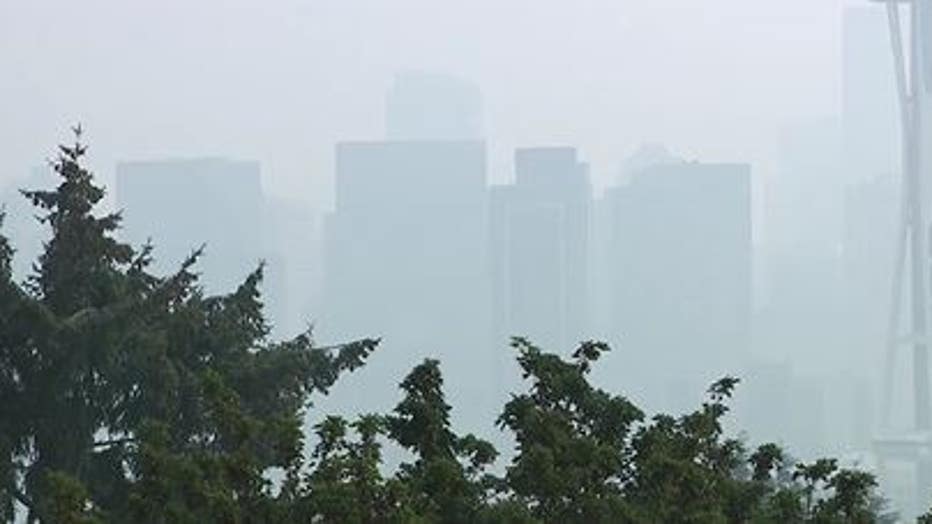
Smoke expected to linger through midweek
Beth Friedman, lead air quality forecaster and modeler with the Washington Department of Ecology’s Air Quality Program, said smoke has already had widespread impacts across Central and Eastern Washington.
"That smoke from mainly regional fires in central and eastern Washington is starting to move south, and that combined with some light winds will lead to lingering smoke impacts across all of central and eastern Washington over the next few days," Friedman said.
According to Friedman, smoke is expected to persist through at least the middle of the week before weather patterns begin to improve.
"It’s looking like smoke will persist through at least midweek, and then it’s looking like some onshore flow will start to increase on Friday, and that should start some gradual improvements at least in western Washington," she said.
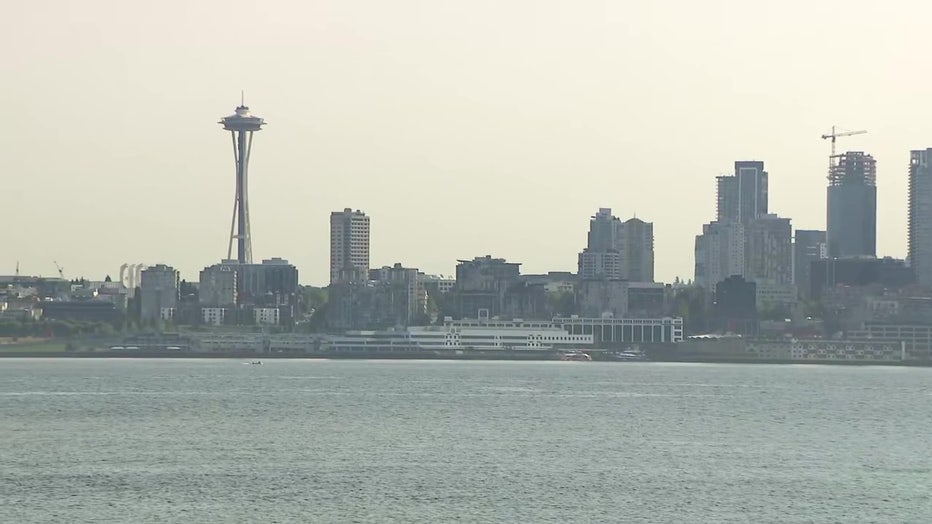
Hazy skies in Seattle due to wildfire smoke
Air quality may reach unhealthy levels
Public Health – Seattle & King County officials are urging people to frequently check the Air Quality Index, or AQI, as conditions can change quickly.
Meredith Li-Vollmer, a risk communicator for the agency, said forecasts indicate much of western Washington will likely reach the "unhealthy for sensitive groups" category, with some locations potentially reaching "unhealthy."
She said children, teens, older adults and people with asthma, heart disease, diabetes or other chronic health conditions are among those most vulnerable to smoke exposure.
Summer camps, sports and outdoor activities
With summer camps and youth sports underway, officials are encouraging organizations to have indoor alternatives available when air quality worsens.
"It’s really important for organizations that particularly work with kids and youth outdoors, so that includes everything from camps to youth sporting, to things like marching band and cheerleading," Vollmer said. "We have sent out information at the beginning of the season that advises them to plan for activities that kids can do indoors when the AQI gets to be unhealthy for sensitive people."
University of Washington's Dr. Bonnie Ronish said families should weigh the health risks while recognizing the benefits children receive from summer activities.
"Kids who have health problems like asthma, they are going to be at higher risk of having an asthma exacerbation," Dr. Ronish said. "Making sure that you minimize their smoke exposure, making sure they have their medicines available in case they do have a reaction, can go a really long way to helping them participate while still keeping them safe."
Dr. Ronish said many camps are expected to adapt activities if smoke becomes more severe.
"My guess is that many of the summer camps will have adapted or augmented their plans for their outdoor activities anyway," Dr. Ronish said.
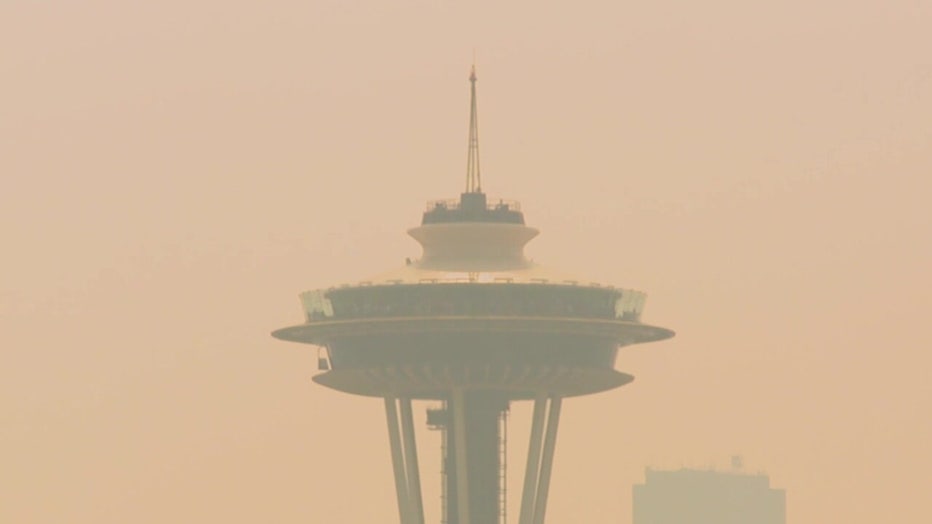
Smoke, heat create a difficult balance
The expected smoke arrives as temperatures are forecast to climb into the 90s across parts of western Washington.
Health officials say people without air conditioning may face difficult decisions between keeping smoke out and staying cool.
"If you’re in a situation where you don’t have air conditioning and you have to make a choice between closing the windows or opening them, we say go ahead and open those windows because heat is the greater danger," Li-Vollmer said.
When possible, officials recommend creating a cleaner-air room inside the home using a HEPA air purifier or by running a home’s HVAC system on recirculate with an appropriate filter.
Friedman also recommended closing windows as smoke settles into the region.
"Probably a good bet to close your windows tonight as smoke begins to move down," she said.
For people who must spend time outdoors, the physician said a properly fitted N95 respirator offers the best protection available, though no mask completely eliminates smoke exposure.
"There is no perfect mask that’s going to protect you 100% from smoke exposure," Dr. Ronish said. "If you have access to a tight-fitting N95 mask, that will filter out a lot of the particulate matter."
Long-term health concerns
Health experts say a single smoke event is unlikely to cause lasting health problems for most people, but repeated exposure over time can increase health risks, particularly for vulnerable populations.
"We do know that air pollution in general has been associated with heart disease, lung disease," Dr. Ronish said. "There’s new data about things like dementia. There’s no safe amount of smoke exposure versus harmful amount of smoke exposure. It is an individualized response."
Resources for residents
Officials recommend residents:
- Check the Air Quality Index frequently through AirNow or local air quality agencies.
- Reduce outdoor activity when air quality worsens.
- Keep windows and doors closed when it is safe to do so.
- Use a HEPA air purifier or a properly filtered HVAC system if available.
- Stay hydrated and keep medications stocked, especially for people with chronic health conditions.
Friedman said residents should continue monitoring forecasts because conditions can change throughout the day.
Remembering wildfire victims
Beyond the smoke affecting communities across western Washington, the physician emphasized the people who have suffered direct losses from the fires.
"My heart goes out to everyone who has lost their homes in these fires," the doctor said. "We get the smoke, but they’ve gotten absolutely devastating news."
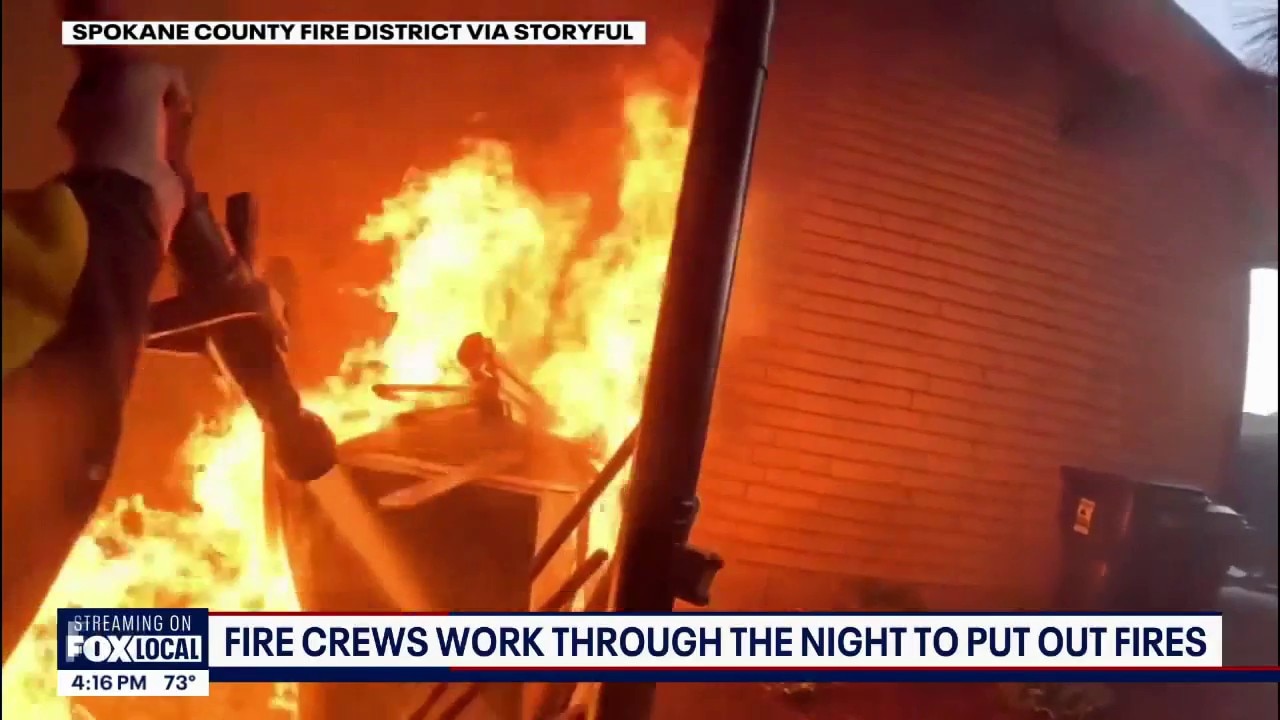
Spokane fires reduce hundreds of homes to ash and rubble
The Spokane Complex Fires, consisting of three fires burning across north Spokane, is being regarded as one of the most damaging wildfires in Washington state history, forcing tens of thousands of people out of their homes.
MORE NEWS FROM FOX 13 SEATTLE
WA, 24 other states sue Trump admin over latest round of tariffs
Spokane wildfires forces 60,000 to evacuate
WA gets first 'Particularly Dangerous Situation' designation for wildfire threat
Here's where fires in Washington state are burning
Seattle's major venues, organizations advocate for mayor to reactivate city's CCTV cameras
Sound Transit aims to begin Ballard Light Rail service in 2042
Seattle mayor slams former Chief Barnes over search for successor
To get the best local news, weather and sports in Seattle for free, sign up for the daily FOX Seattle Newsletter.
Download the free FOX LOCAL app for mobile in the Apple App Store or Google Play Store for live Seattle news, top stories, weather updates and more local and national news.
The Source: Information in this story came from the Washington Department of Ecology, Public Health – Seattle & King County and FOX 13 Seattle reporting.