

From the Mosquito Fleet to modern ferries: WA marks 75 years on the water
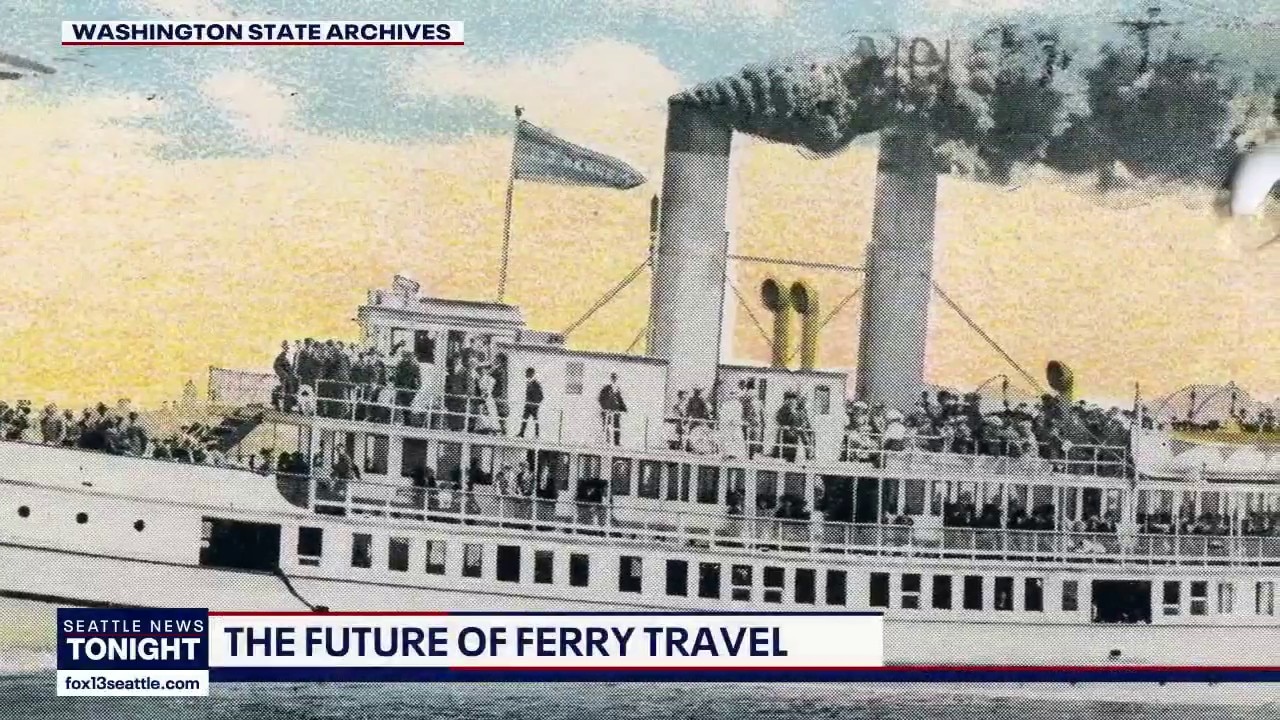
Washington seeks lifeline for struggling ferry fleet
As Washington State Ferries marks 75 years of public service, a mounting boat shortage has prompted regional lawmakers to propose reviving historic passenger-only networks.
SEATTLE - Washington State Ferries is celebrating its 75th anniversary this year, marking a milestone for what has become the nation's largest ferry system.
The anniversary comes as the agency continues working through vessel shortages and service challenges, while some lawmakers in Olympia are proposing a transportation model that predates the state's ferry system itself.
Before the state ferries, there was the Mosquito Fleet
The backstory:
Long before Washington State Ferries' green-and-white vessels became a familiar sight on Puget Sound, hundreds of steamships connected waterfront communities across the region.
Known collectively as the Mosquito Fleet, the passenger steamers crisscrossed Puget Sound, carrying people between ports and communities before widespread automobile travel.
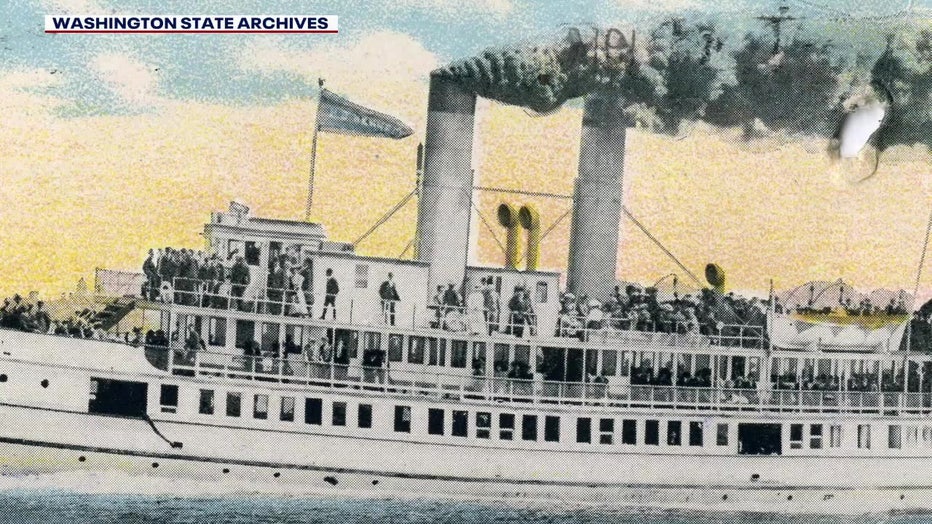
Mosquito Fleet WSF (Washington State Archives)
Historic photographs show steamships lined up at Seattle's Coleman Dock, the same waterfront hub where ferries continue operating today.
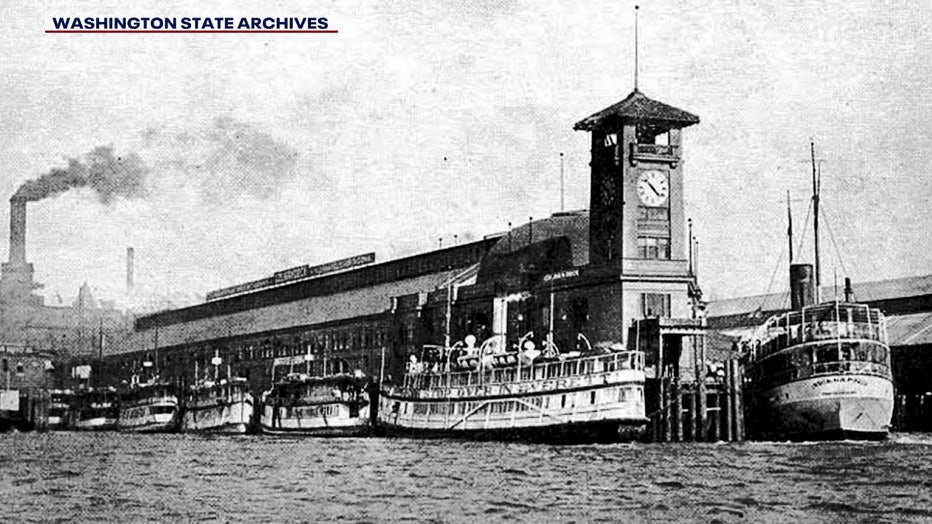
Ferries dock in downtown Seattle (Washington State Archives)
The rise of Washington State Ferries
As automobile ownership increased, car-carrying ferries became increasingly important.
By the 1930s, the Black Ball Line had become the dominant operator of vehicle ferries in the region. But fare increases, labor disputes and growing public frustration eventually fueled calls for state intervention.
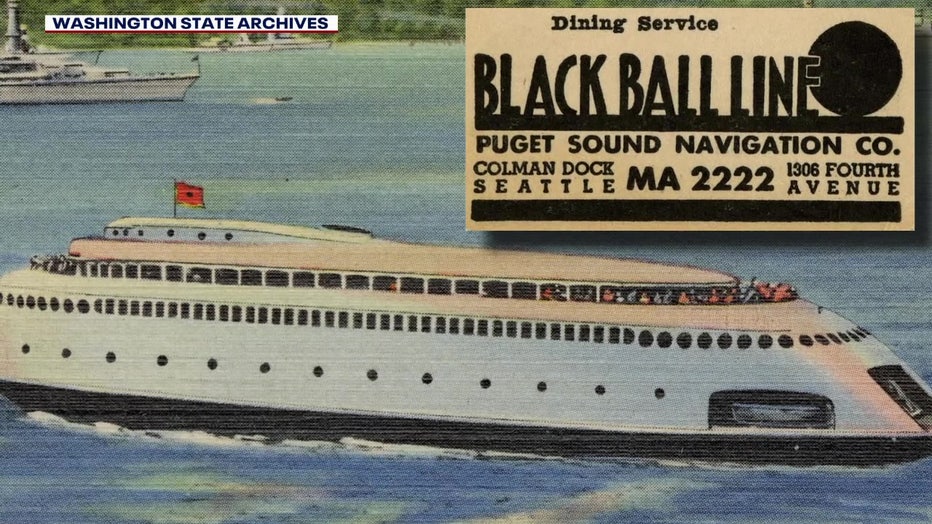
Black Ball Line (Washington State Ferries)
Washington ultimately acquired Black Ball's 16 vessels and 20 terminals for approximately $6 million, creating what would become Washington State Ferries. Seventy-five years later, the system relies on over $385 million annually.
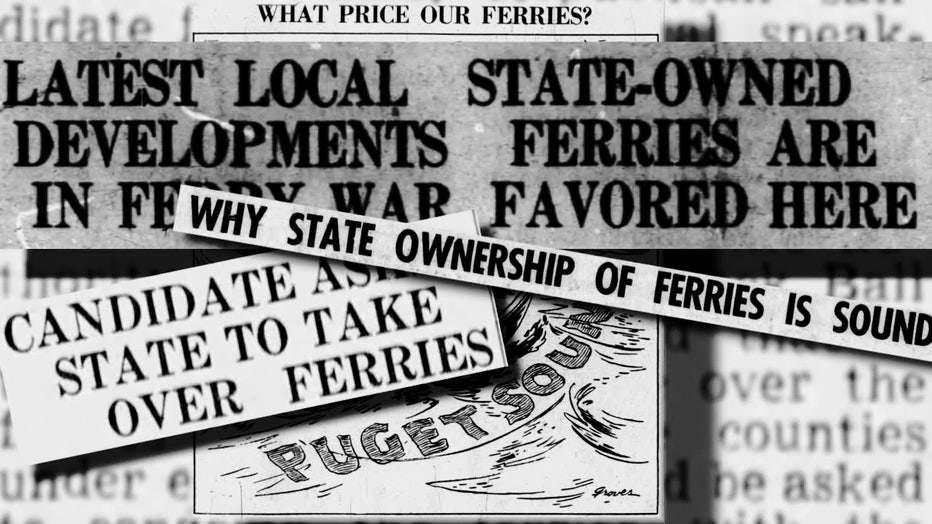
Black Ball Line sale news headlines (Washington State Ferries)
Challenges remain
The anniversary celebration comes as ferry leaders continue grappling with aging vessels and ongoing service limitations.
What they're saying:
"Our fleet is aging. Our system is aging," said Governor Bob Ferguson weeks ago during a press conference at Coleman Dock calling for federal government financial assistance.

Governor Bob Ferguson
This week, Washington State Ferries Executive Director Steve Nevey acknowledged the agency remains constrained by a lack of available vessels.
"We're in the middle of a transition to get new ferries into the system right now," said Nevey. "Our newest constraint is we don't have enough new ferries to run the service we're expected to run."
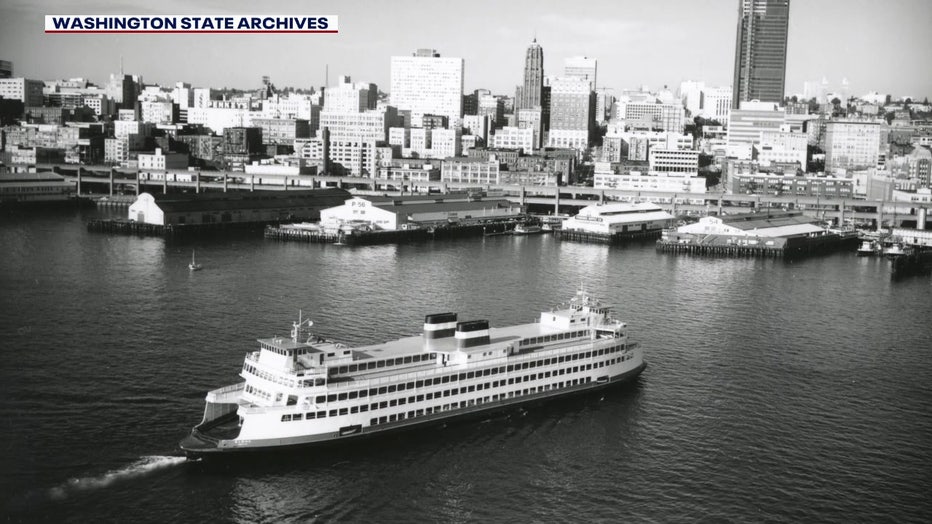
WSF vessel (Washington State Archives)
Nevey participated in a ceremony marking the anniversary that included raising a Washington State Ferries flag atop the Space Needle.
"I think there's a lot to be proud of with Washington State Ferries," he said.
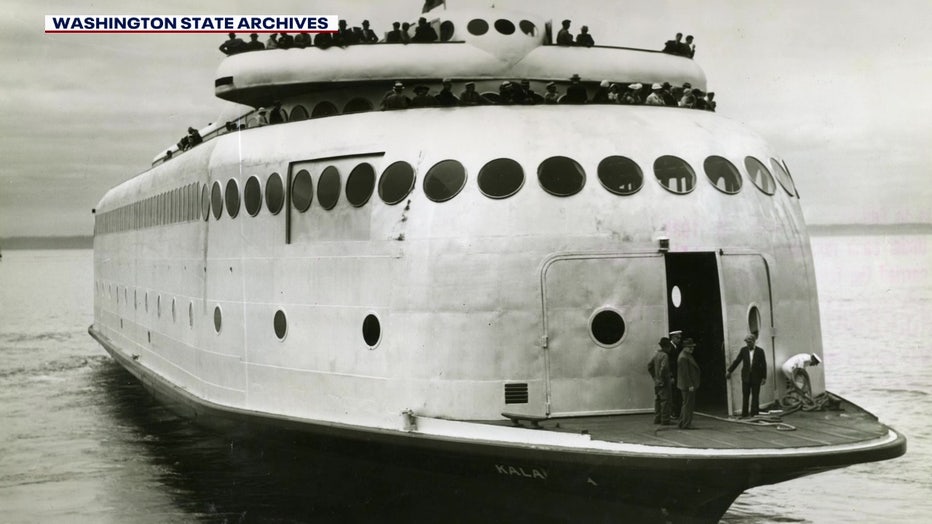
Washington State Archive ferry photo
A proposal inspired by history
What's next:
This year, lawmakers in Olympia introduced what they called the Mosquito Fleet Act, legislation aimed at expanding opportunities for passenger-only ferry service around Puget Sound.
Supporters argue the measure could provide additional transportation options for ferry-served communities.
Under current state law, most local governments, ports, tribes and private operators are generally prohibited from running passenger-only ferry routes.
Today, only a limited number of passenger-only ferry services operate in the region, including fast ferry routes serving West Seattle and Kitsap County.
The bill's supporters say additional options could help strengthen transportation connections across Puget Sound, particularly as Washington State Ferries works to restore service levels.
"We can use lessons from Puget Sound's maritime history and heritage to guide us to a healthier, more prosperous and more connected future," said Rep. Greg Nance, (D-Kitsap County) during a bill hearing.
The proposal slowed at the statehouse amid concerns it could negatively affect Southern Resident killer whales.
Still, the debate highlights how transportation ideas from Puget Sound's past continue to influence conversations about its future.
The Source: Information in this story comes from original reporting by FOX 13 Seattle.
MORE NEWS FROM FOX 13 SEATTLE
Bellevue, WA police raid 'OnlyFans house' in human trafficking investigation
Aberdeen dad arrested in connection with 4-year-old son's death
Seattle donut shop owner frustrated after thieves keep drilling out locks
Transportation guide for getting around Seattle during FIFA World Cup
Seattle reaches $2.6M settlement with female cops who alleged sexual harassment
Deputy shoots, injures suspect in Yelm
Seattle Mayor Katie Wilson grilled over CCTV usage, affordability and housing
To get the best local news, weather and sports in Seattle for free, sign up for the daily FOX Seattle Newsletter.
Download the free FOX LOCAL app for mobile in the Apple App Store or Google Play Store for live Seattle news, top stories, weather updates and more local and national news.